Since 2022, FIPS Africa has been part of the McKnight Global Collaboration for Resilient Food Systems (CRFS) community of practice, which emphasises networking, learning, and collective action. The community of practice brings together organisations testing different approaches to deliver agroecological transformation and resilient food systems.
This journey began in February 2017 under the FIPS Village-Based Agricultural Advisors Project funded by the McKnight Foundation Collaborative Crop Research Program, the predecessor of CRFS. The programme supported research and the scaling of agroecological options through the VBA network to improve productivity, soil health, and resilience among smallholder farmers.
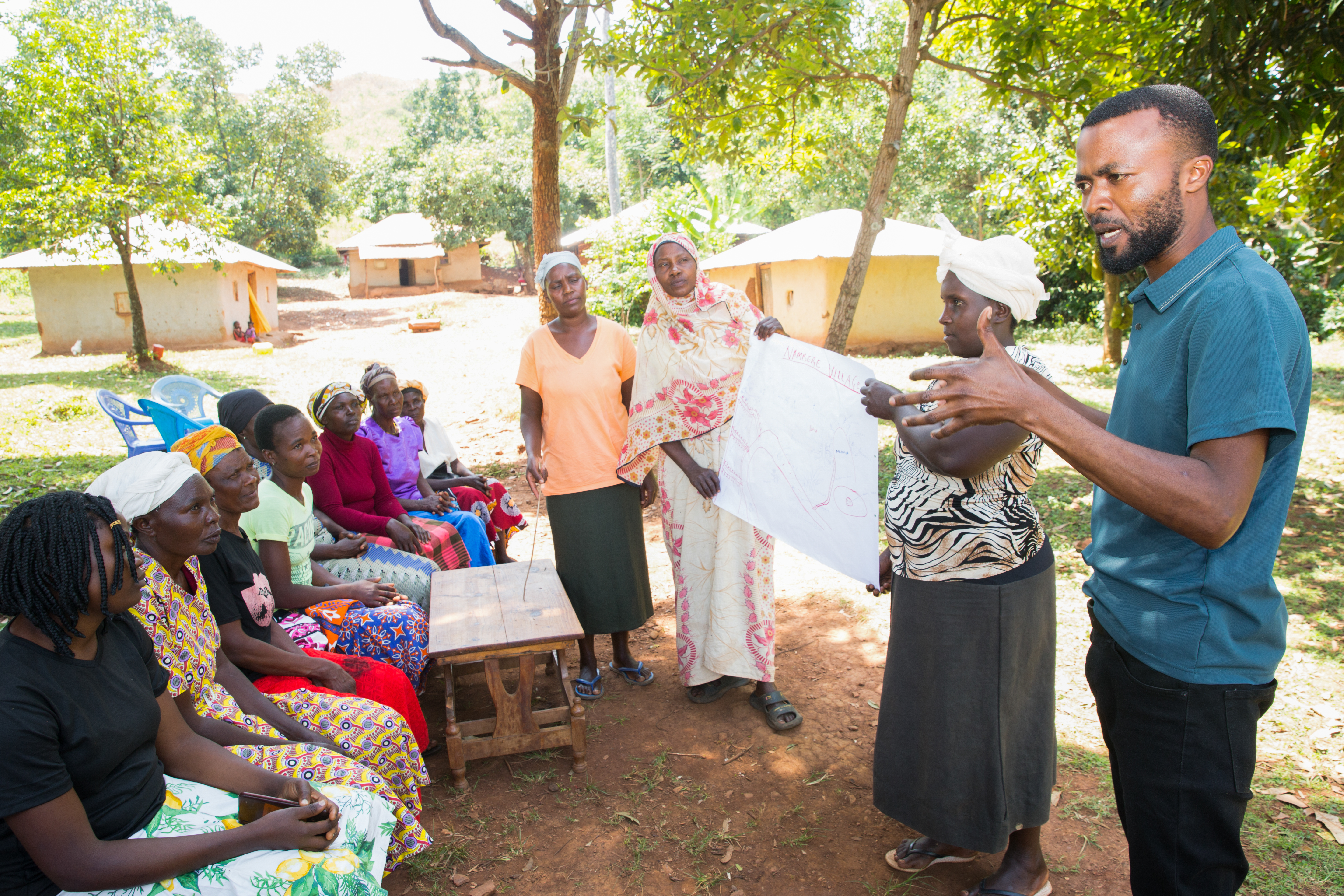
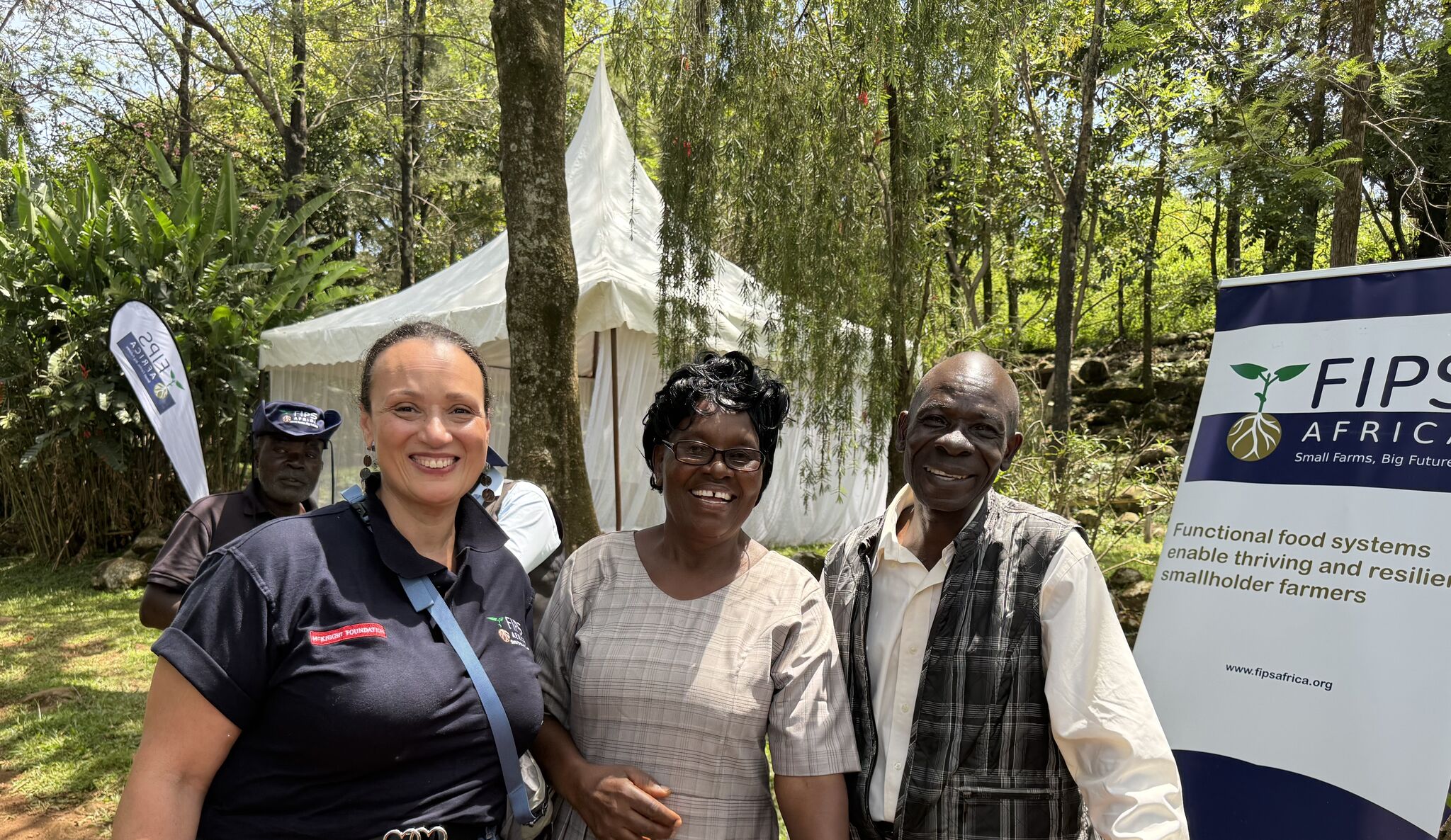
In October 2025, FIPS hosted the community of practice convening to visit our Farmer Research Networks in Butere. The event brought together partners from Kenya, Uganda, Tanzania, and Malawi, alongside McKnight’s regional and global leadership teams, united by a shared vision: transforming local food systems from struggling to thriving and resilient through agroecology. FIPS was particularly pleased to welcome Tonya Allen, President of the The McKnight Foundation.
David Priest, CEO of FIPS, explained:
“The meeting was designed to allow partners to see firsthand how we work with smallholder farmers to co-create, innovate, and adapt solutions together, building the knowledge needed to redefine local food systems in inclusive and collaborative ways. One of our key findings is that systemic change depends on applying genuinely inclusive approaches.”
FIPS has developed practical models that embed inclusion at every stage. Its Village-Based Advisor (VBA) model delivers advice and market access directly to farming communities, anchored by the use of free trial seed packs that enable risk-free testing of new varieties and practices. More recently, FIPS has established Farmer Research Networks (FRNs), bringing farmers together to co-create, innovate, and adapt solutions to pressing challenges while testing practical options collaboratively within their own farming systems. These networks combine farmer knowledge with world-class research to deliver practical, low-cost “frugal innovations” that are co-designed, tested, and validated with farmers.
But what does agroecological transformation look like on the ground? For the farmers FIPS works with, it is a lived, daily experience.
Reflecting on the convening, David Priest added:
“While we shared presentations and reports, it was the farmers themselves who brought the learning to life. They spoke openly about the challenges they face and demonstrated how agroecological practices have reshaped their livelihoods and local ecosystems. They also highlighted how agroecological practices are grounded in strong social values that place people at the centre of food systems transformation. Women, for example, described how the project was inclusive, equitable, and collaborative, ensuring that smallholder farmers, women, youth, and marginalised groups have a voice in shaping agricultural solutions. That lived experience resonated deeply with visitors.”
Farmers described how improved soil health and diversified cropping systems have strengthened household nutrition. Their stories illustrated that agroecology is not a single intervention but an evolving combination of practices, relationships, and mindsets.
Reflecting on the convening, Tonya Allen said:
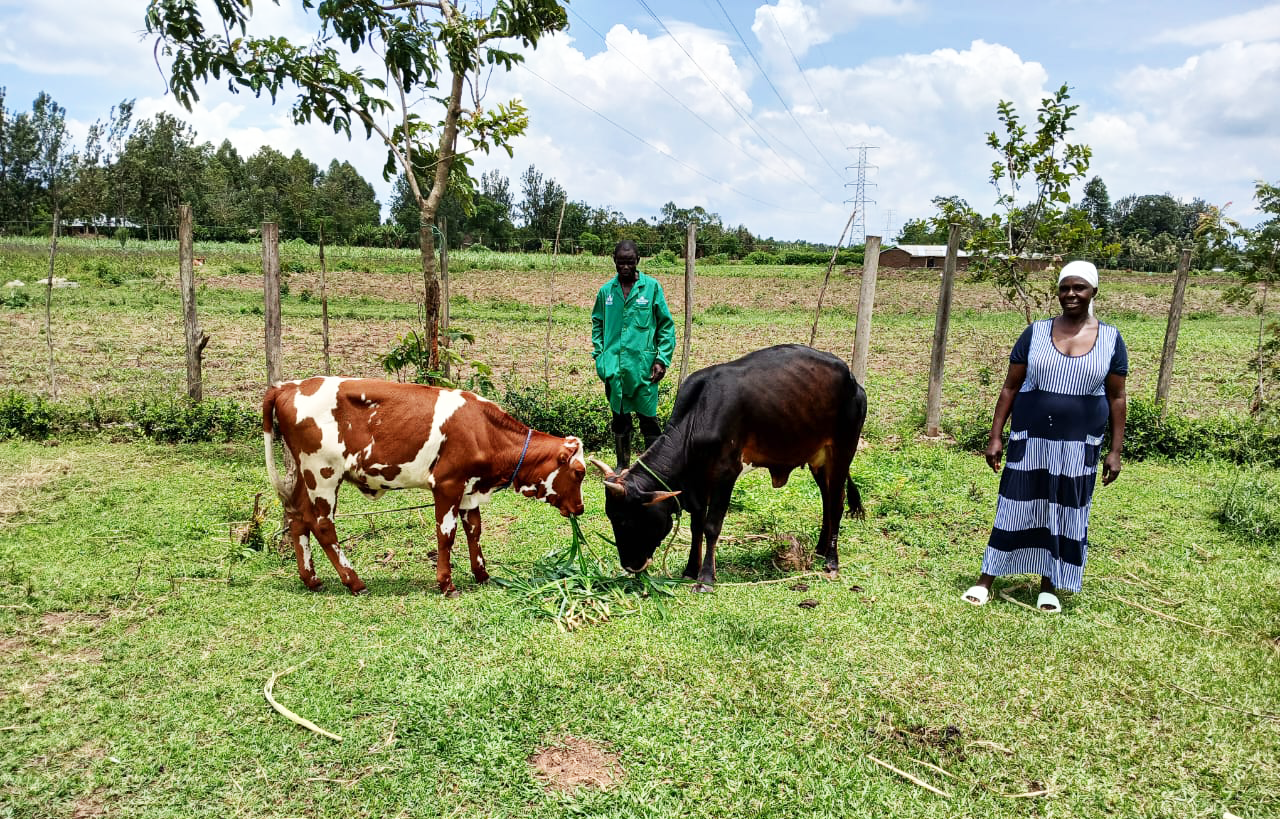
“I was inspired to hear from farmers like Madame Rhoda, who shared how she has restored her soil health, increased biodiversity, and improved her cattle through her work with FIPS Africa. As a FIPS extension educator supporting other smallholder farmers, she now helps her neighbours increase their yields, household incomes, and nutrition. In doing so, Rhoda has also emerged as a respected community leader, working across government, NGOs, and businesses to strengthen local food systems.”
Three groups emerged as central to building resilient food systems:
Soil health – the foundation
Healthy soils underpin agroecology. Farmers showcased FIPS fast composting and other organic matter management practices that restore soil life, improve water retention, and increase resilience to climate stress.
Local government and private sector – the enablers
Scaling change requires supportive policies, market access, and finance. Local government and private sector partners play a critical enabling role by creating the conditions for FIPS innovations to grow. Through supportive county policies, extension collaboration, input supply, veterinary services, and market linkages, these actors help expand the reach of practical agroecological solutions. By working alongside these enablers, FIPS bridges grassroots innovation with institutional support, helping to de-risk and scale inclusive agroecology enterprises that strengthen the wider food system.
Women, youth, and men – the practitioners
Transformation is people-centred. When women and young people participate as equal actors, innovation accelerates. The meeting highlighted women farmer leaders and youth-led agri-enterprises strengthening local food chains through technology.
FIPS continues to focus on developing inclusive food systems that restore ecosystems, empower people, and sustain livelihoods for generations.
David concluded: “The key takeaway is that resilience is a shared effort. Agroecology is not just about farming differently; it is about governing, collaborating, and sharing differently. At FIPS, we believe resilient food systems are built through co-creation and equitable participation. When we build together, we grow together.”
For further information, contact FIPS: info@fipsafrica.org