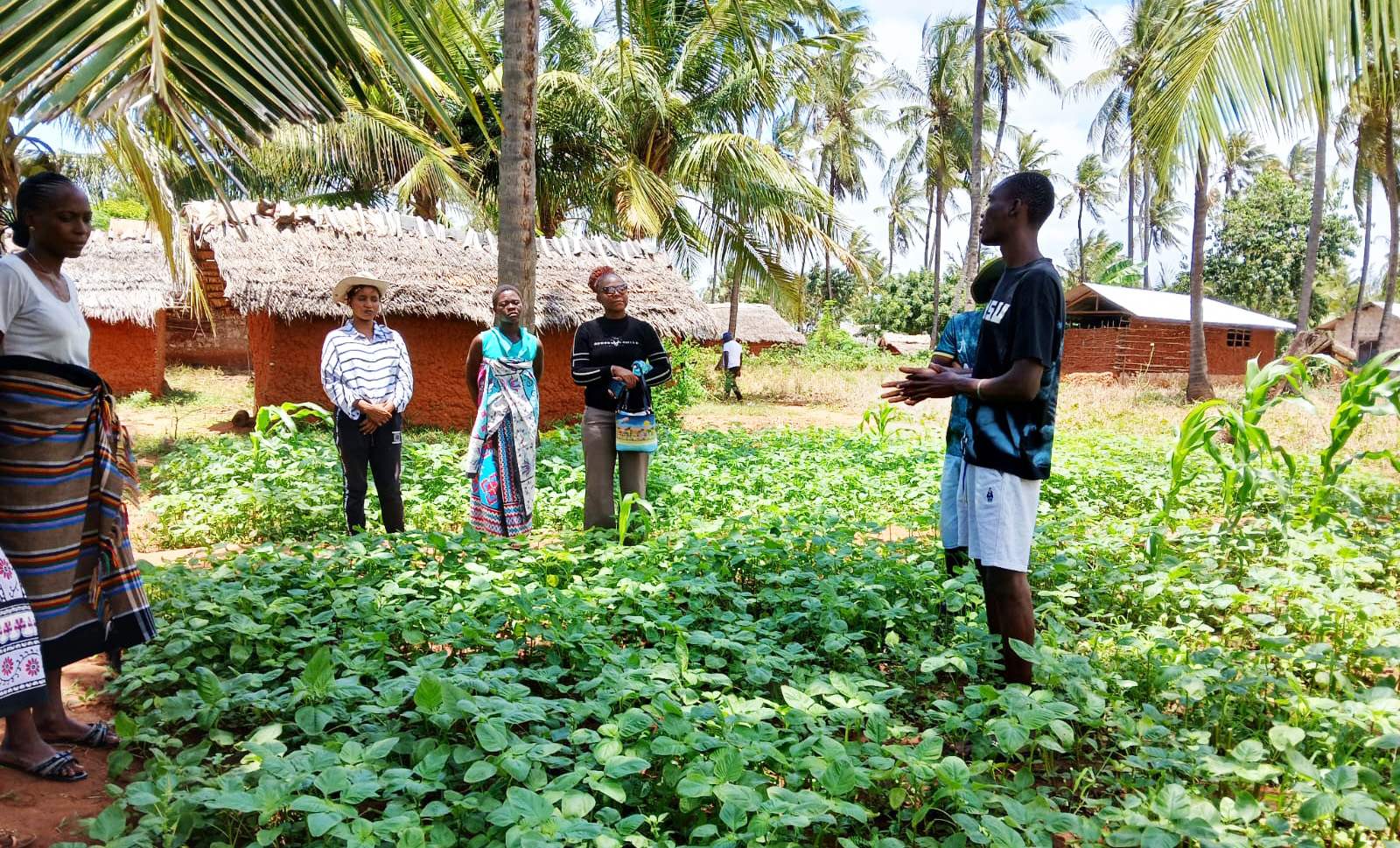
At just 19, Eliud from Tezo in Kilifi County is demonstrating what is possible when young people are allowed to learn, test ideas, and grow. During an exchange visit, he met Sam, a fellow young farmer excelling in African leafy vegetable farming. Through that peer-to-peer learning experience, Eliud saw more than Sam’s success. He saw unmet market demand and a viable business opportunity.
With a 20g starter pack of amaranth (mchicha) seeds from FIPS Africa, along with training in vegetable establishment and management, Eliud began with just one-eighth of an acre. Applying the practical skills and confidence gained through hands-on training and peer influence, he has since expanded to an acre.
Today, he harvests twice a week and earns KES 14,000 (USD 110) weekly, generating a profit of KES 9,000 (USD 70) per week, equivalent to KES 36,000 (USD 280) in net income each month.
Still in school, Eliud is already paying his own school fees, supporting his family, and saving to expand his agribusiness. He is also creating work for others by hiring two young people to help on the farm each week, while influencing three other young people to start their own quarter-acre enterprises. As he grows the business, he plans to add onions, kale, and spinach. His main market is his local community and a nearby market.
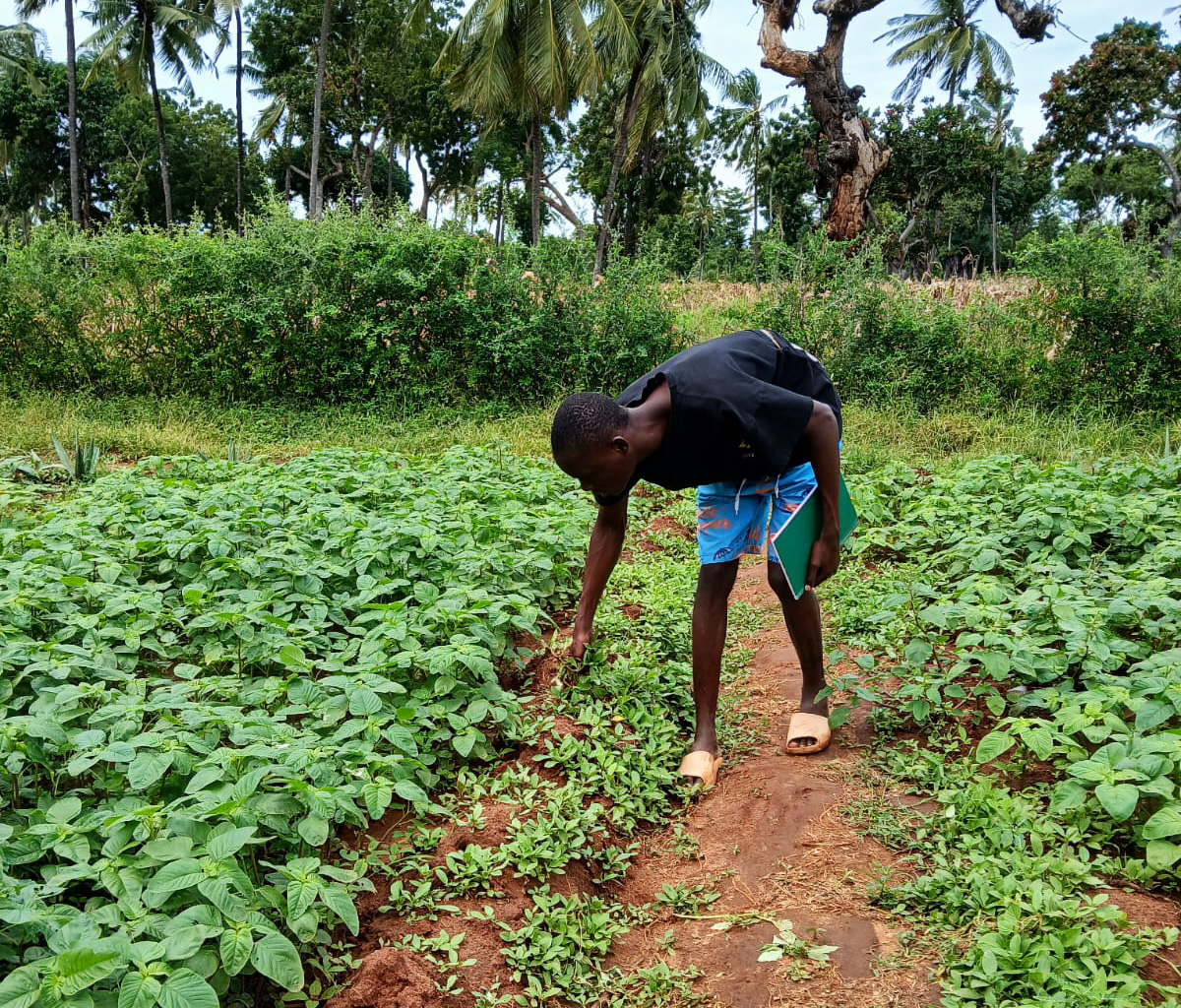
Looking ahead, Eliud says, “Once I finish school this year, I want to get a bigger piece of land and grow more vegetables. My dream is to become a successful entrepreneur and run both a poultry and vegetable business.”
Eliud’s story reflects how FIPS Africa works with youth – practical training, peer-to-peer influence, low-risk starter inputs, and clear pathways into real markets. This approach helps young people see agribusiness as a viable, dignified, and profitable future. It is also evidence that youth-led agribusiness models can strengthen food systems, expand livelihoods, and position young people not as beneficiaries, but as active contributors to economic growth and community resilience.
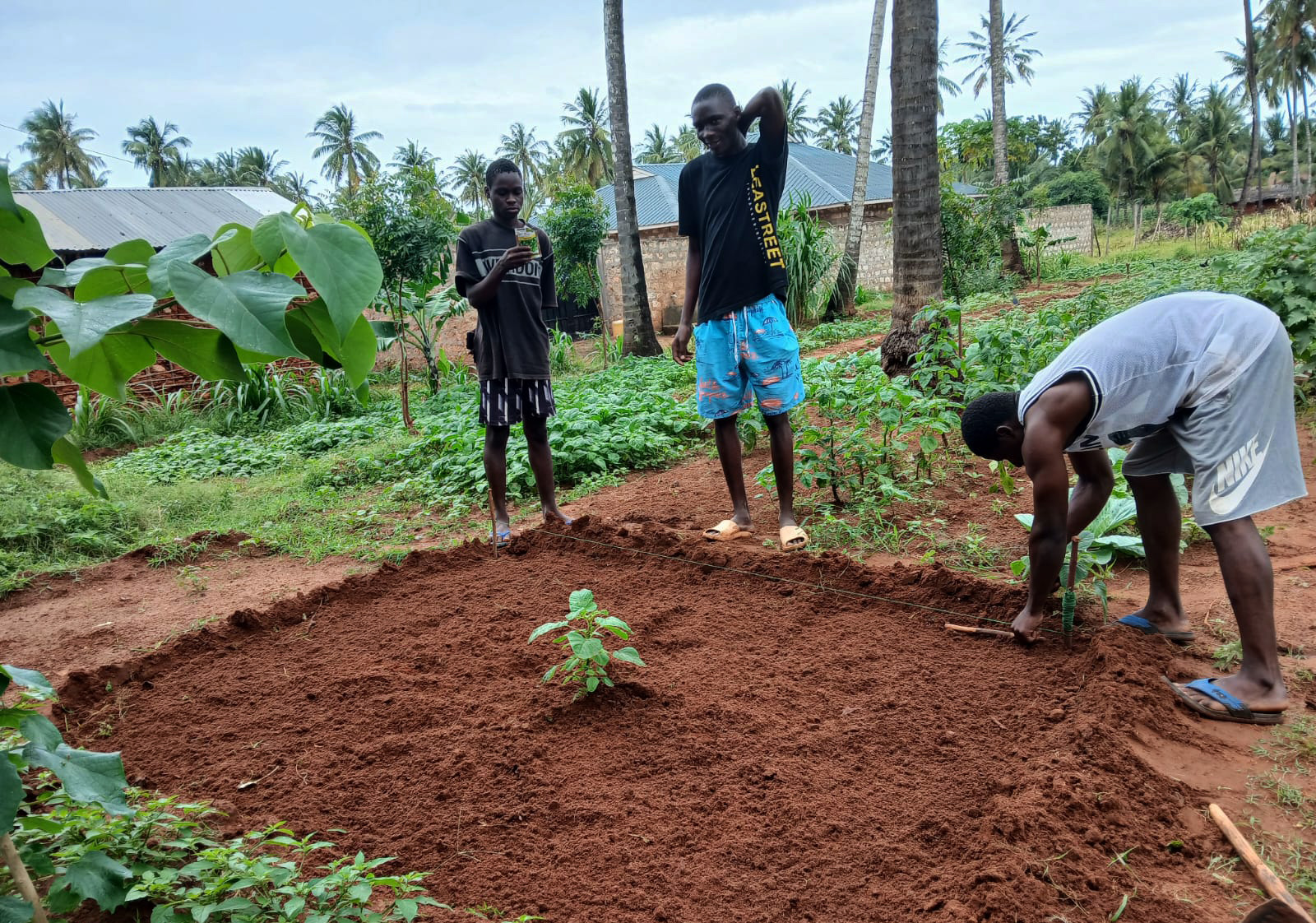
Eliud is one of 78,000+ young people reached through the youth enterprise programme, with 62,000+ establishing agribusinesses and creating more than 120,000 job opportunities.
FIPS Africa’s wider strategy is to equip young agri-entrepreneurs and smallholder communities with practical, low-barrier opportunities that strengthen livelihoods, food security, resilience, and local market systems.