Partnership overview
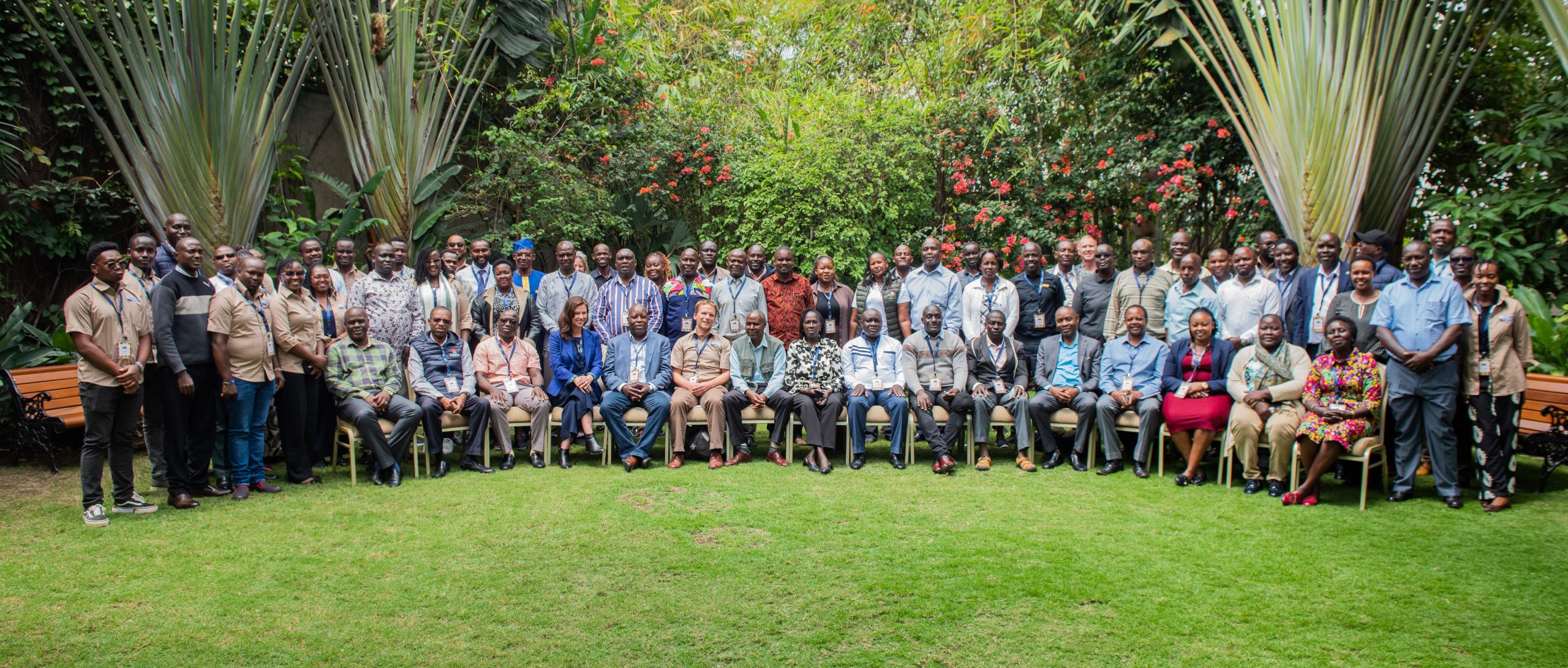
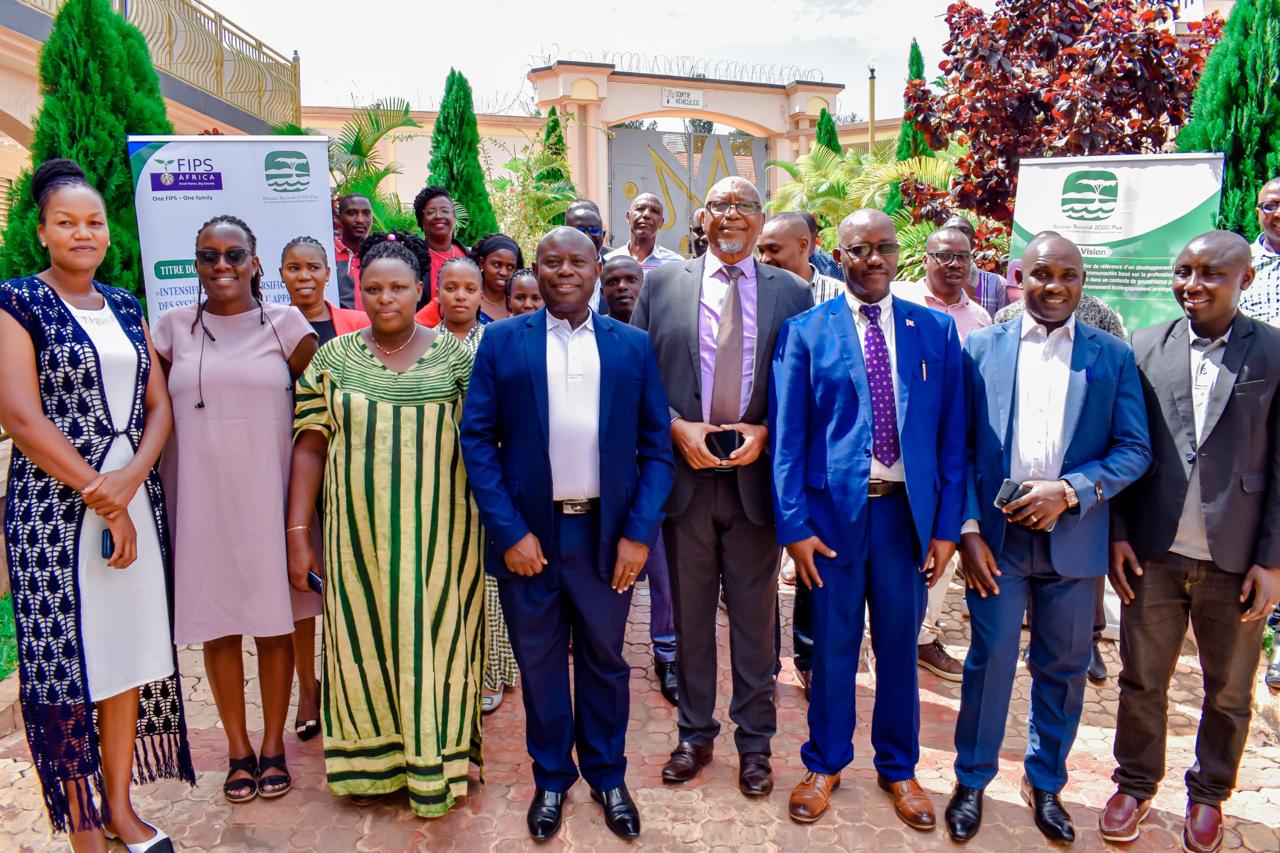
Réseau Burundi 2000 Plus (RBU 2000+) has joined the FIPS Africa Training Unit Community of Practice in a partnership that marks an exciting step in deepening and diversifying our work in Burundi.
RBU 2000+ is a non-profit organisation with over 20 years of experience working with farmers to increase incomes, improve community nutrition, and support environmental management. Their strong local presence and expertise make them a valuable partner in expanding farmer-centred extension services in Burundi.
Expanding the VBA model in Burundi
This partnership builds on the success of the Village-Based Advisor (VBA) model, which has already reached over 250,000 farmers with improved maize and bean varieties through the work of the Seed Systems Group and other local partners.
FIPS Africa is now working with RBU 2000+ to deepen and diversify this approach beyond seed systems, expanding into priority value chains such as Irish potato, soil health, and poultry. Burundi becomes the sixth country where FIPS is scaling and adapting the VBA model through local partnerships.
Addressing gaps in potato and poultry systems
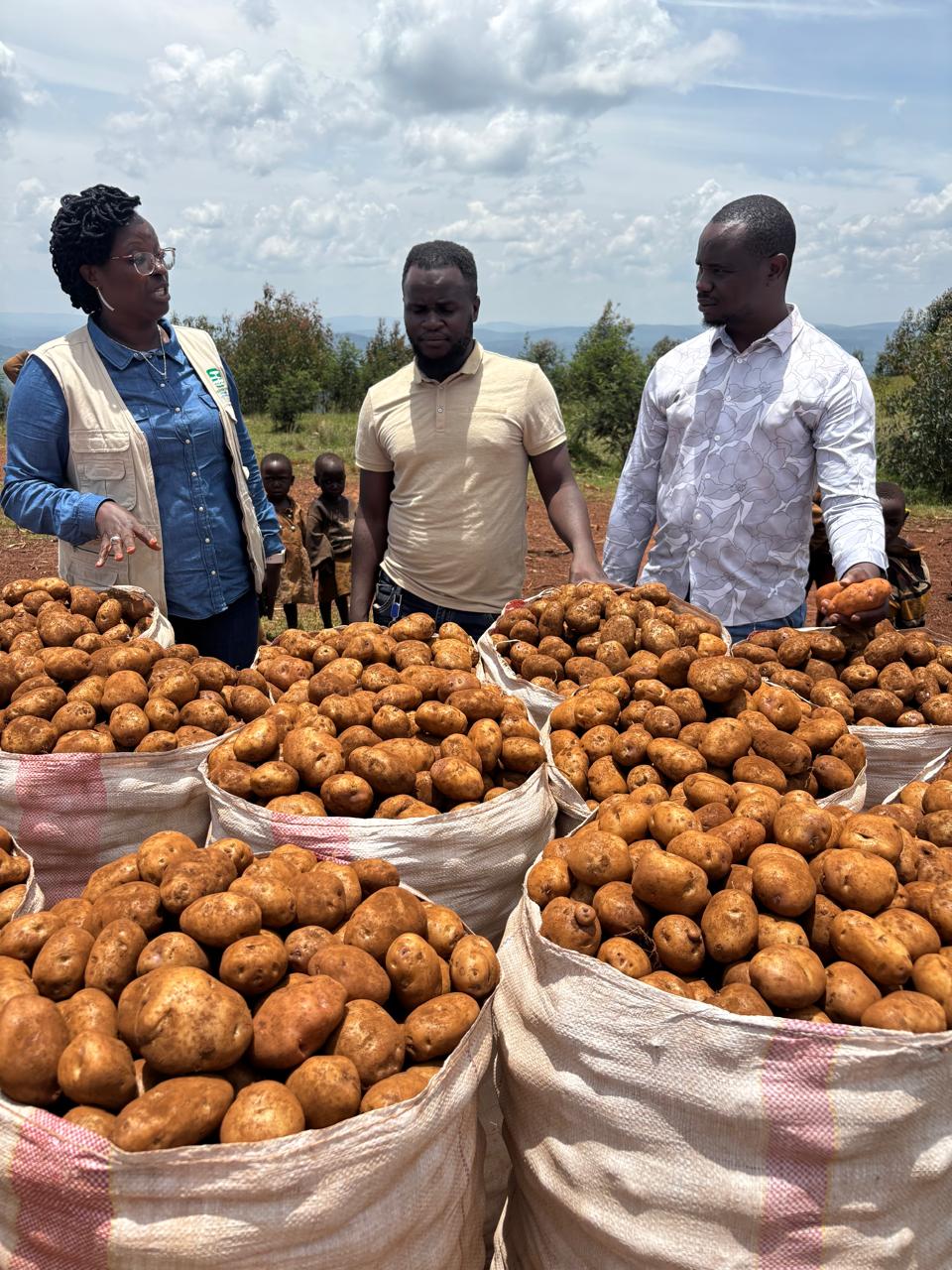
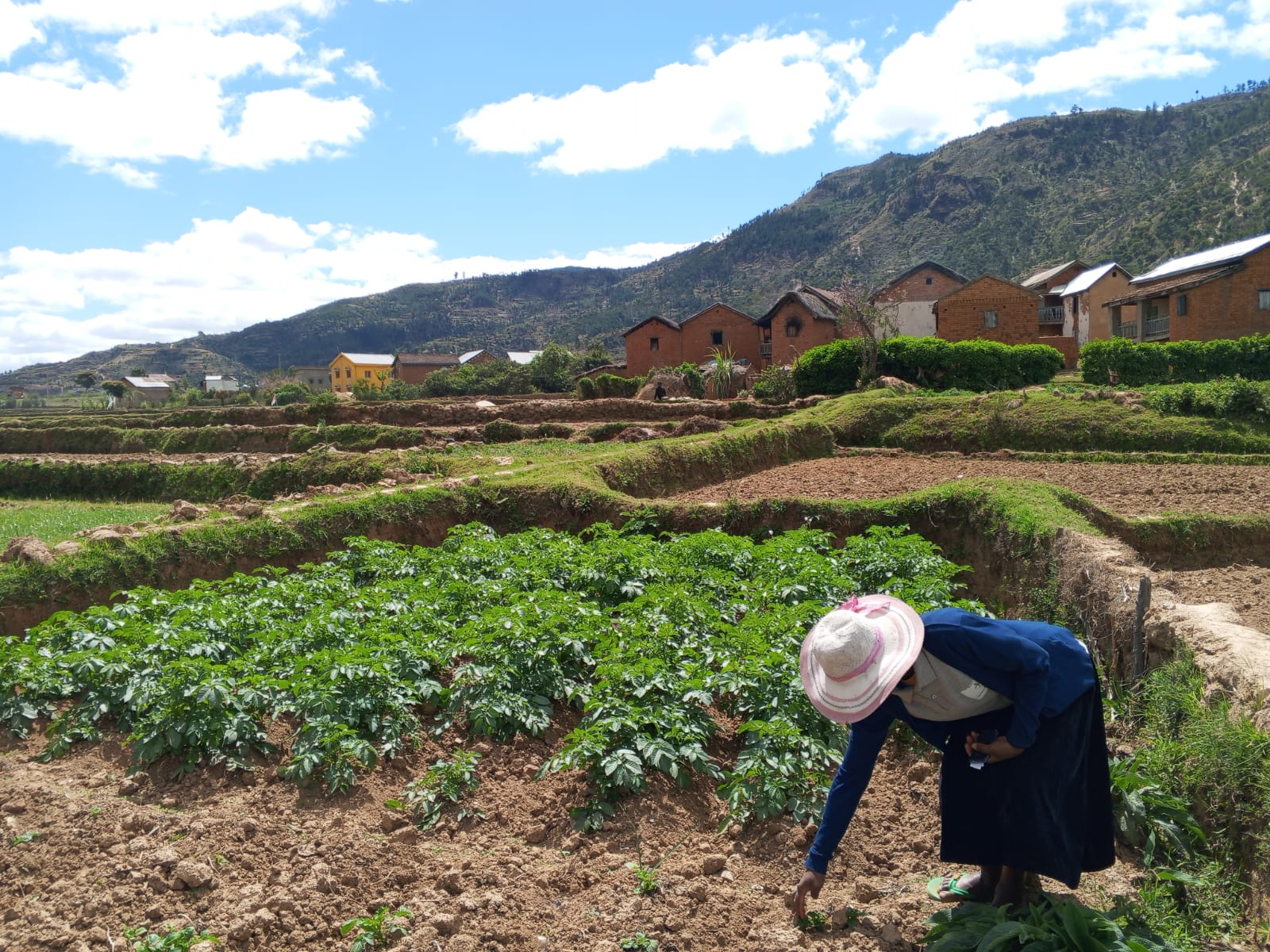
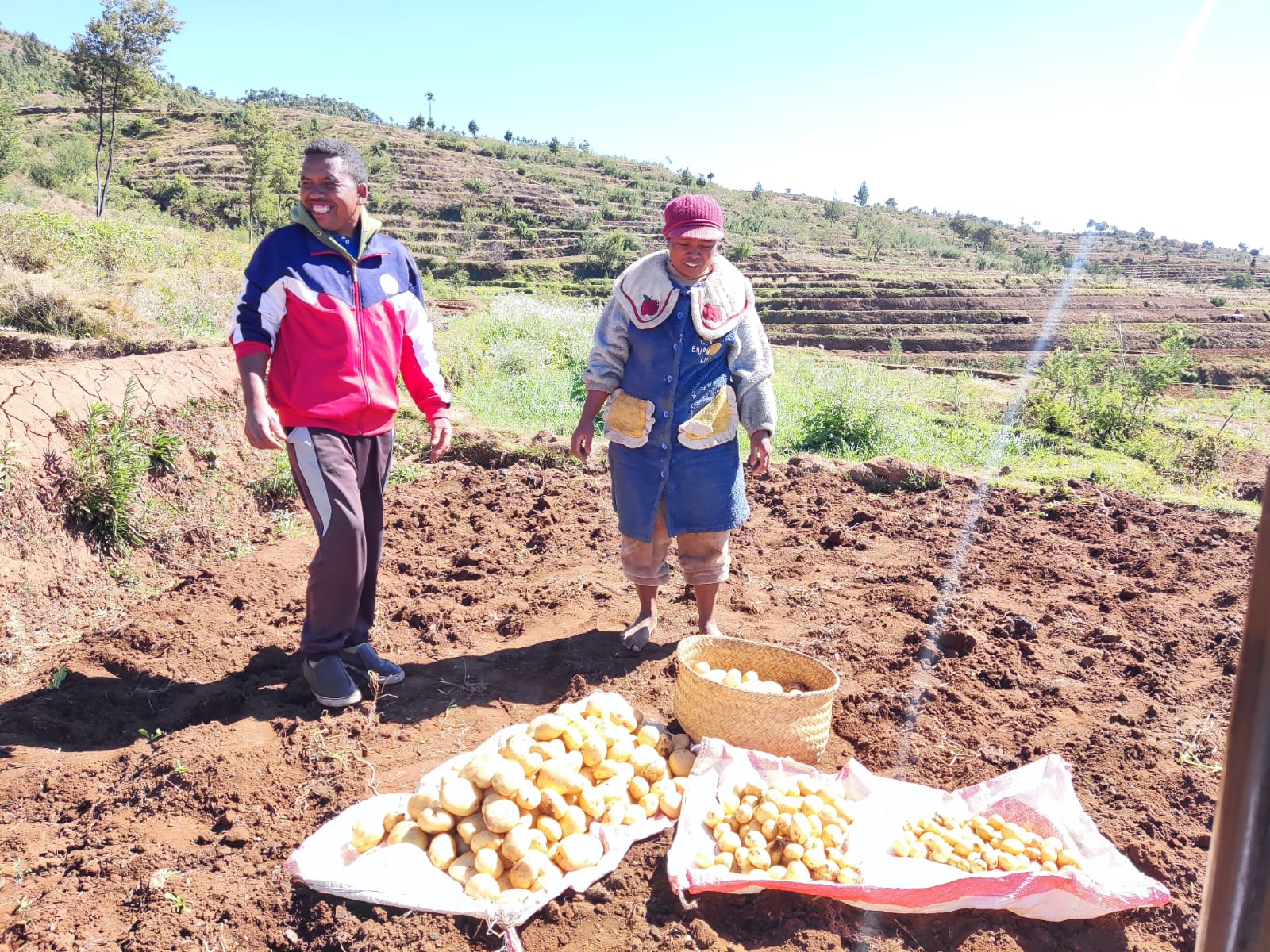
In Mwaro Commune, one of Burundi’s key potato-producing regions, farmers face significant challenges in accessing quality seed. Despite the availability of 19 potato varieties at the ISABU research station, many farmers continue to rely on recycled local varieties due to weak linkages within the seed system. This limits farmer choice and productivity, as access to clean, improved seed remains constrained.
At the same time, poultry farmers in the same commune are looking to increase their incomes. Still, they are held back by limited access to improved chicken breeds and reliable technical information.