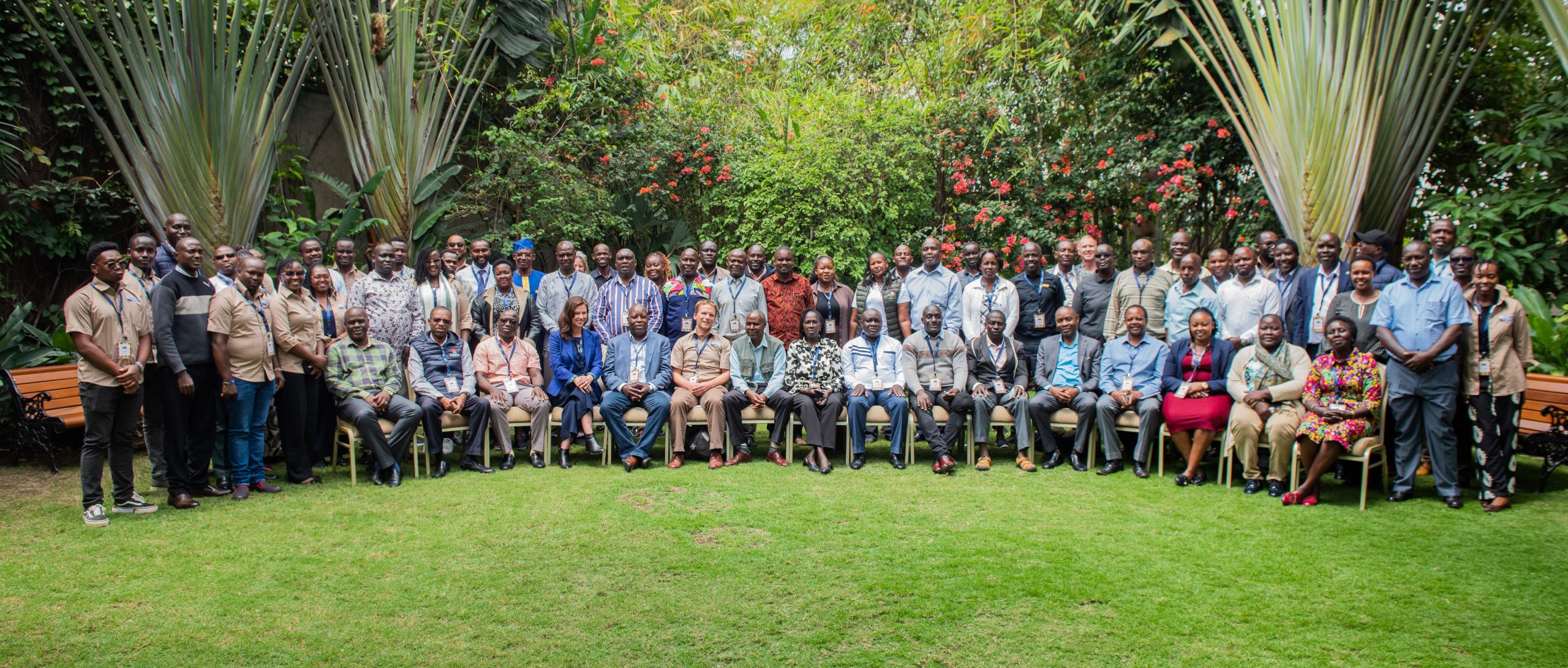
FIPS Africa hosted partners from Madagascar and Burundi in Nakuru, Kenya, for a hands-on learning exchange on implementing potato projects, as it expands support to 10 organisations in six countries under its Small Farms, Big Futures vision.
FIPS Africa has taken another important step in advancing its Small Farms, Big Futures vision by hosting partners from Madagascar and Burundi in Nakuru, Kenya, for a practical learning exchange on implementing potato projects.
The visit reflects FIPS’ growing investment in building the capacity of partner organisations to deliver sustainable, community-owned agricultural solutions that improve livelihoods, strengthen food security, and create new opportunities for smallholder farmers across sub-Saharan Africa.
The exchange brought together teams from FIFAMANOR, a Malagasy agricultural research and development institute; DRAE, the Regional Directorate of Agriculture and Livestock under Madagascar’s Ministry of Agriculture and Livestock; Réseau Burundi 2000 Plus; and ISABU, Burundi’s principal government institution for agricultural research.
Their participation highlights FIPS’ deliberate focus on working with government agencies, research institutions, and local delivery partners so that agricultural solutions are embedded within national and local systems, making them more practical, scalable, and sustainable.
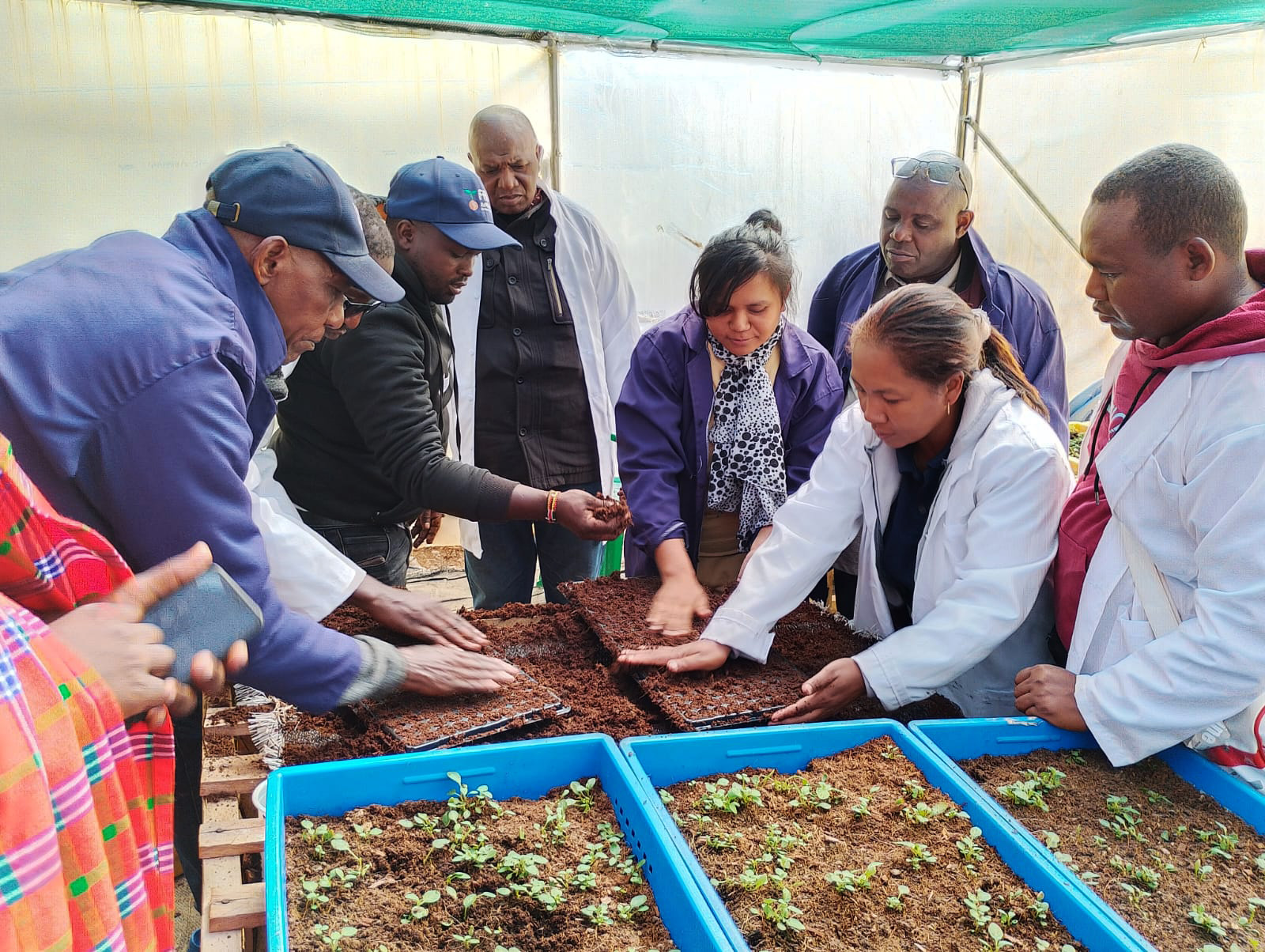
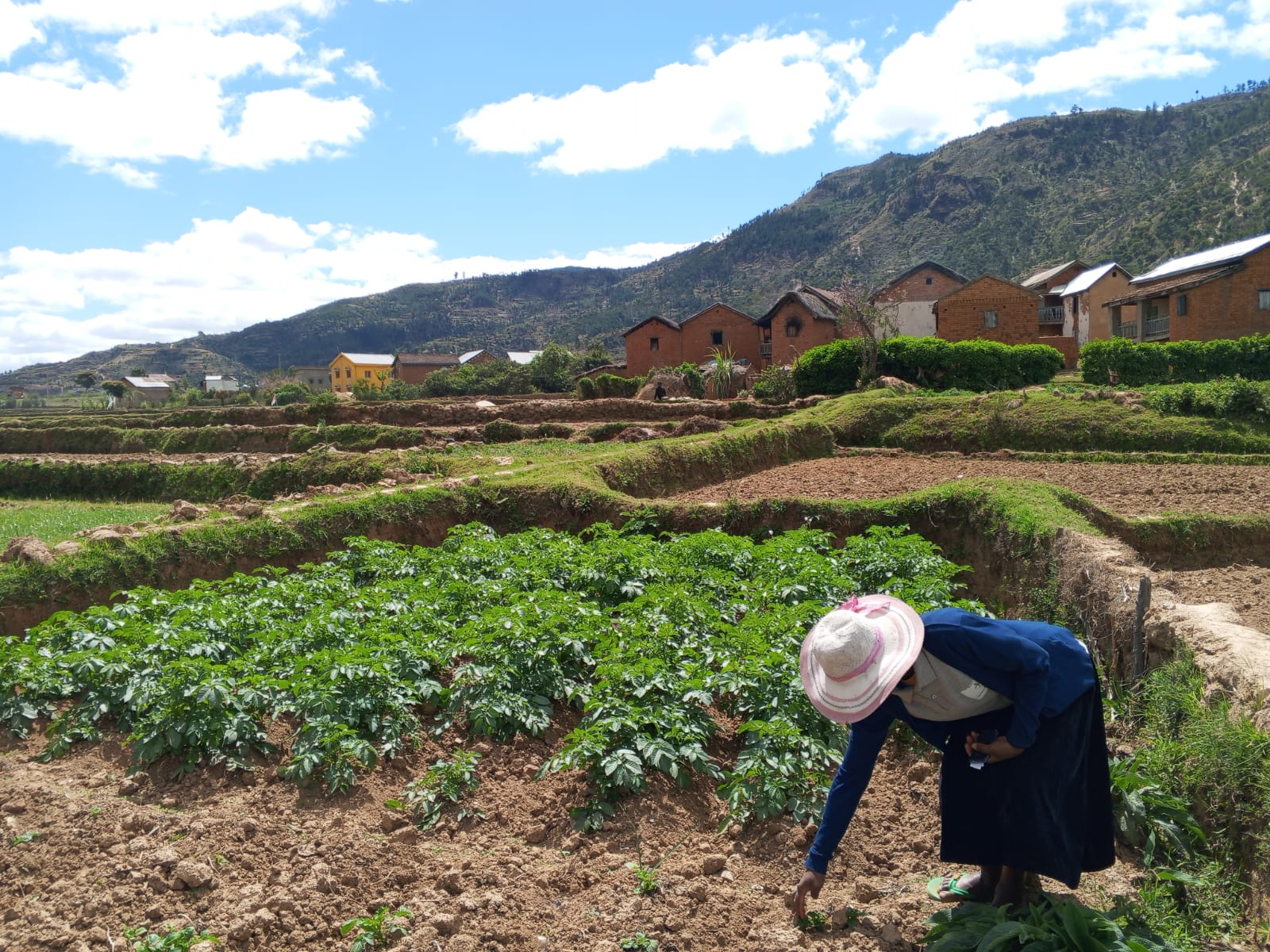
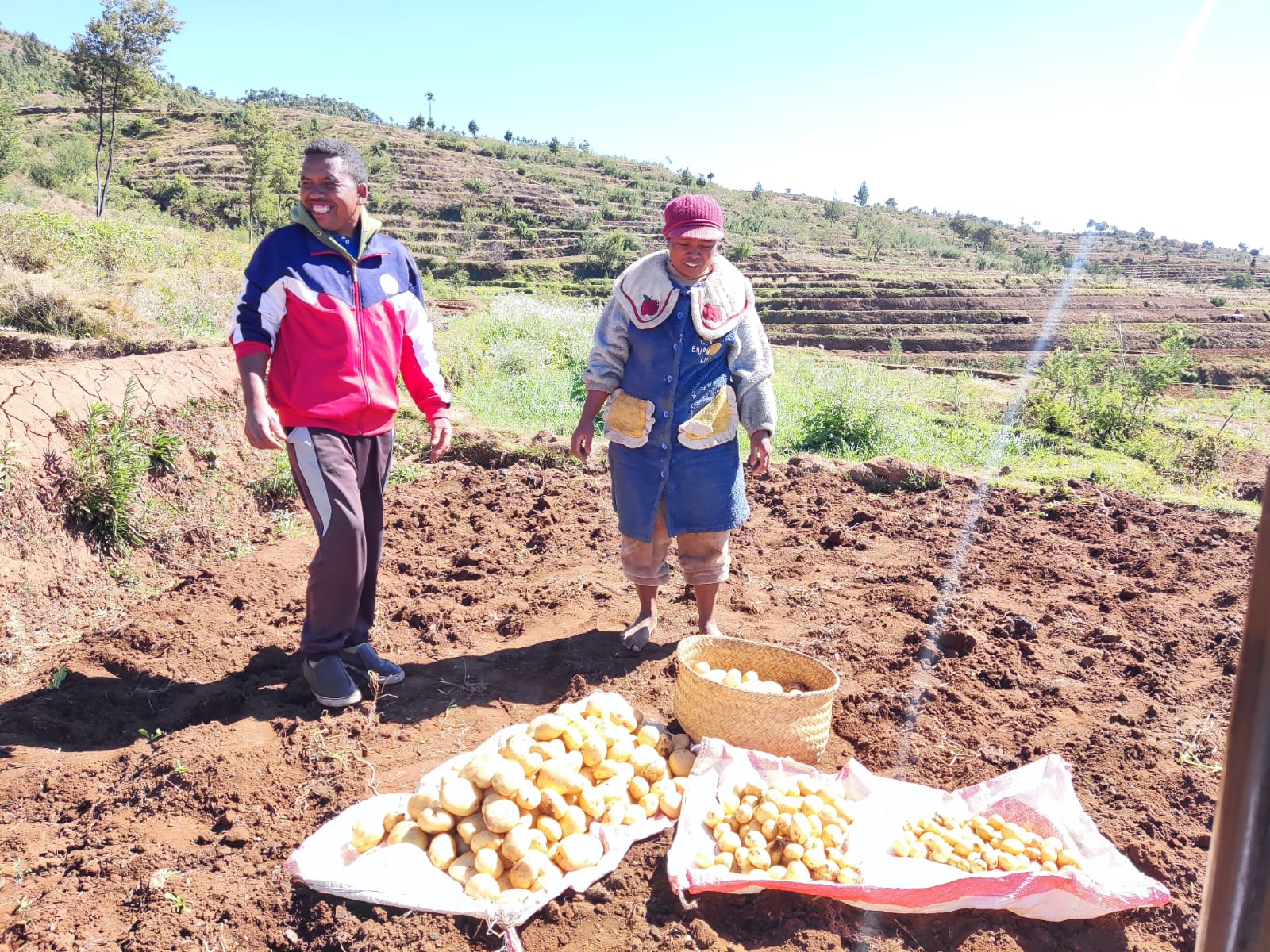
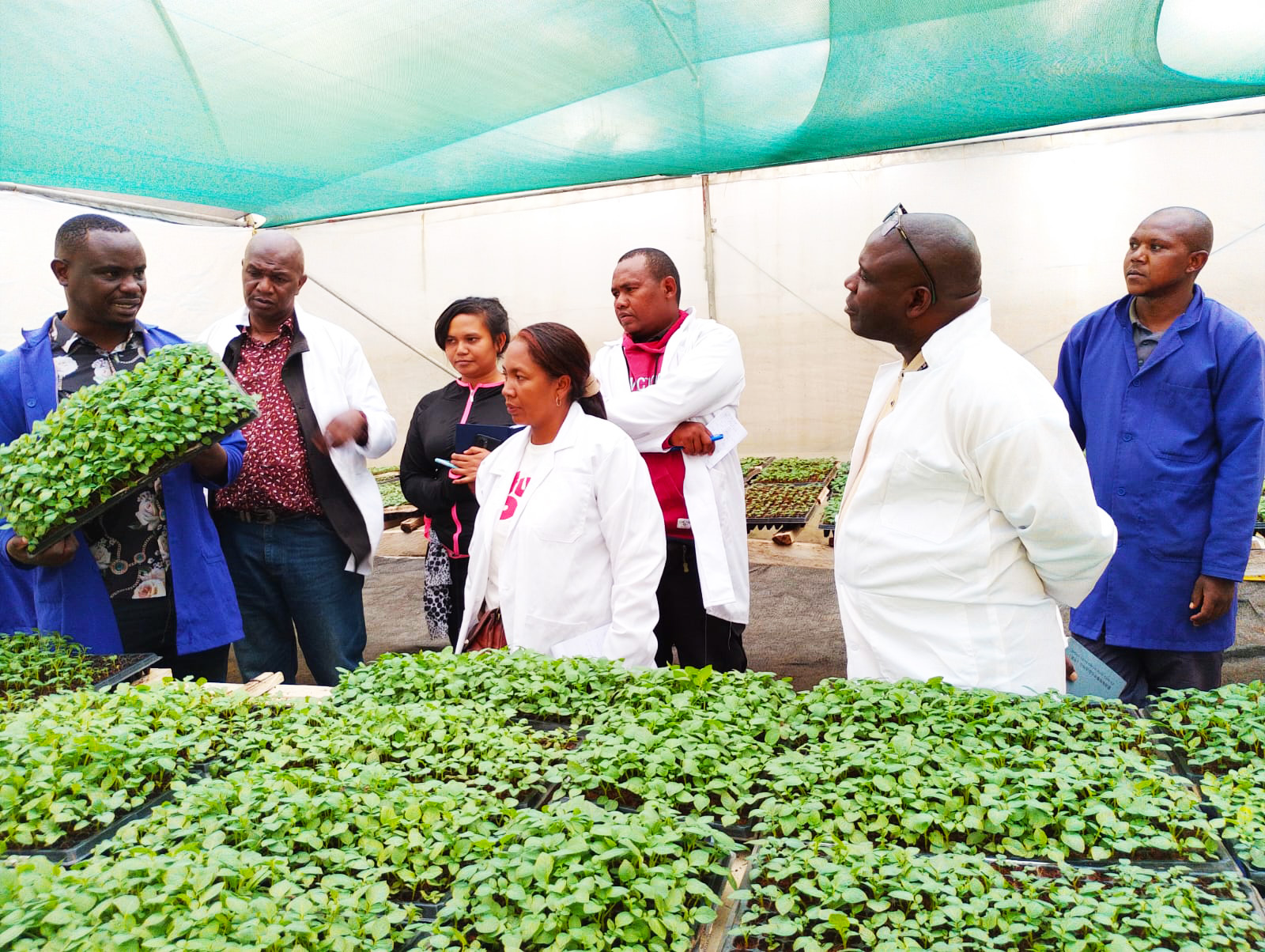
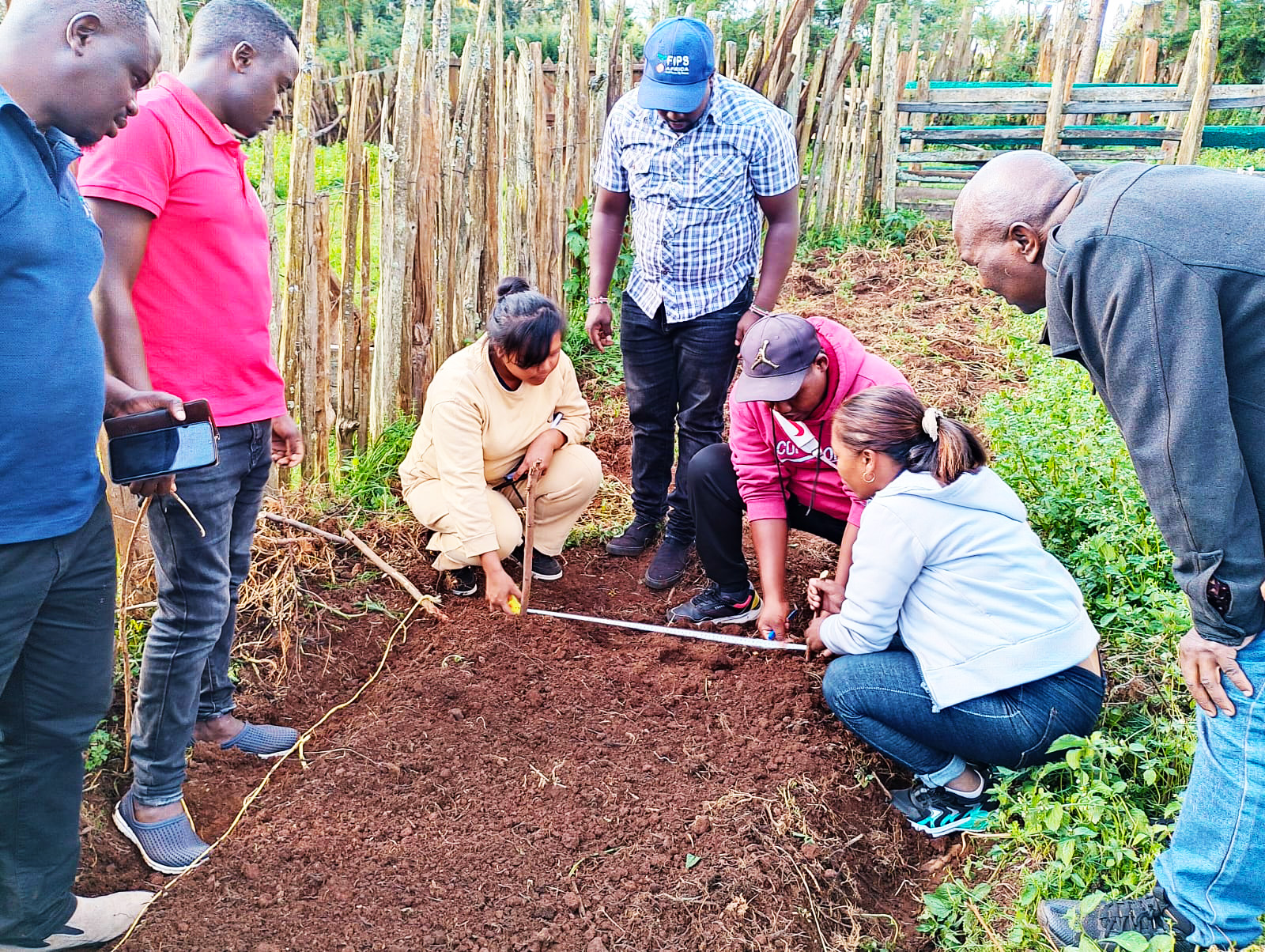
During the visit, the teams received practical training in the propagation of potato-rooted apical cuttings (PRACs), from greenhouse multiplication to farm-level establishment. They also visited VBA Richard Cheruiyot in Molo, where they toured his farm, prepared a nursery bed, and explored how lessons from Nakuru could be adapted in their own country contexts.
The exchange allowed the partners not only to observe day-to-day implementation, but also to map out strategies for strengthening their own programmes.
Reflecting on the visit, FIPS Country Liaison Officer for Madagascar, NyAntsa RABENJANAHARY, said the exchange had offered both affirmation and fresh ideas.
While acknowledging FIPS’ intentional partnership approach to ensure community ownership and long-term sustainability, she said:
“We have noticed some approaches similar to ours but also some new and interesting elements. In Nakuru, we have seen that the quality of the potato seed production system is very well established to help farmers get healthy seed quickly and at low cost. I was particularly impressed by the high-quality work carried out in the greenhouse and VBAs. FIPS is also intentional in creating partnerships with local authorities, the government, and local partners such as banks and cooperative societies, as well as involving young people.”
She noted that this approach helps make the project community-owned and therefore more sustainable.
The visit comes at a time when FIPS is expanding its partner support model across the region. This expansion marks a broader shift towards a wider portfolio of agricultural solutions, including livestock, high-value crops such as potatoes, and soil health restoration practices such as bokashi.
This growing regional footprint reflects FIPS’ strategy of equipping partners with practical knowledge, technical accompaniment, and locally tested delivery approaches that can drive impact at scale. By investing in peer learning, institutional capacity strengthening, and collaboration with public-sector actors, FIPS is helping partners move beyond isolated project delivery towards resilient agricultural systems that place farmers at the centre and strengthen local ownership.
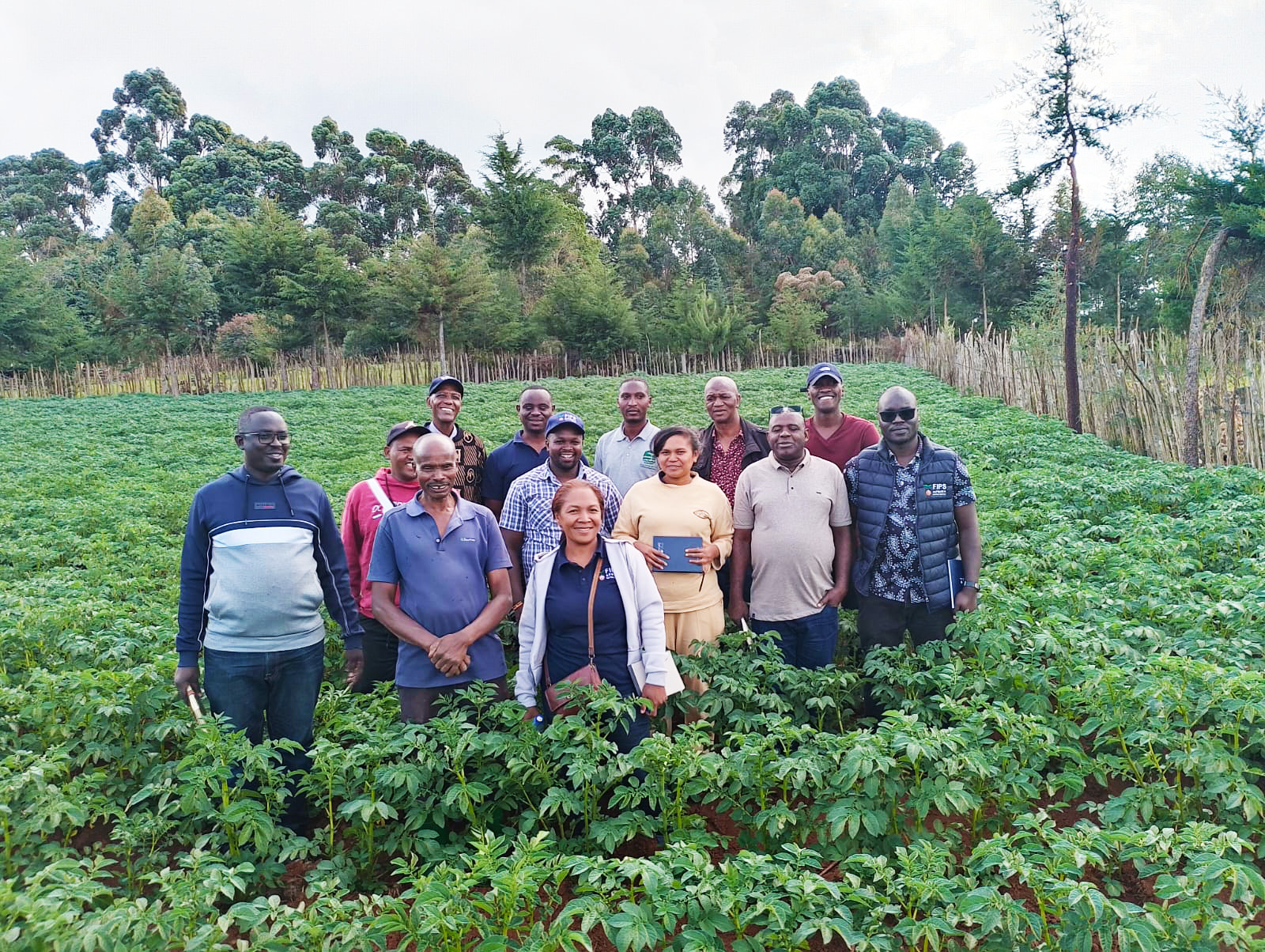
FIPS is grateful to the Seeds of Change Foundation for its support in advancing Small Farms, Big Futures across sub-Saharan Africa. This support is helping FIPS work with partner organisations to scale practical, farmer-centred solutions that respond to local needs and create lasting impact for farming communities.
As FIPS continues to work alongside governments, research institutions, and community-based organisations, the Nakuru exchange shows how hands-on learning can accelerate adaptation, innovation, and scale. It also reinforces FIPS’ belief that when smallholder farmers are supported through strong local systems, trusted partnerships, and practical solutions, small farms can truly power big futures.