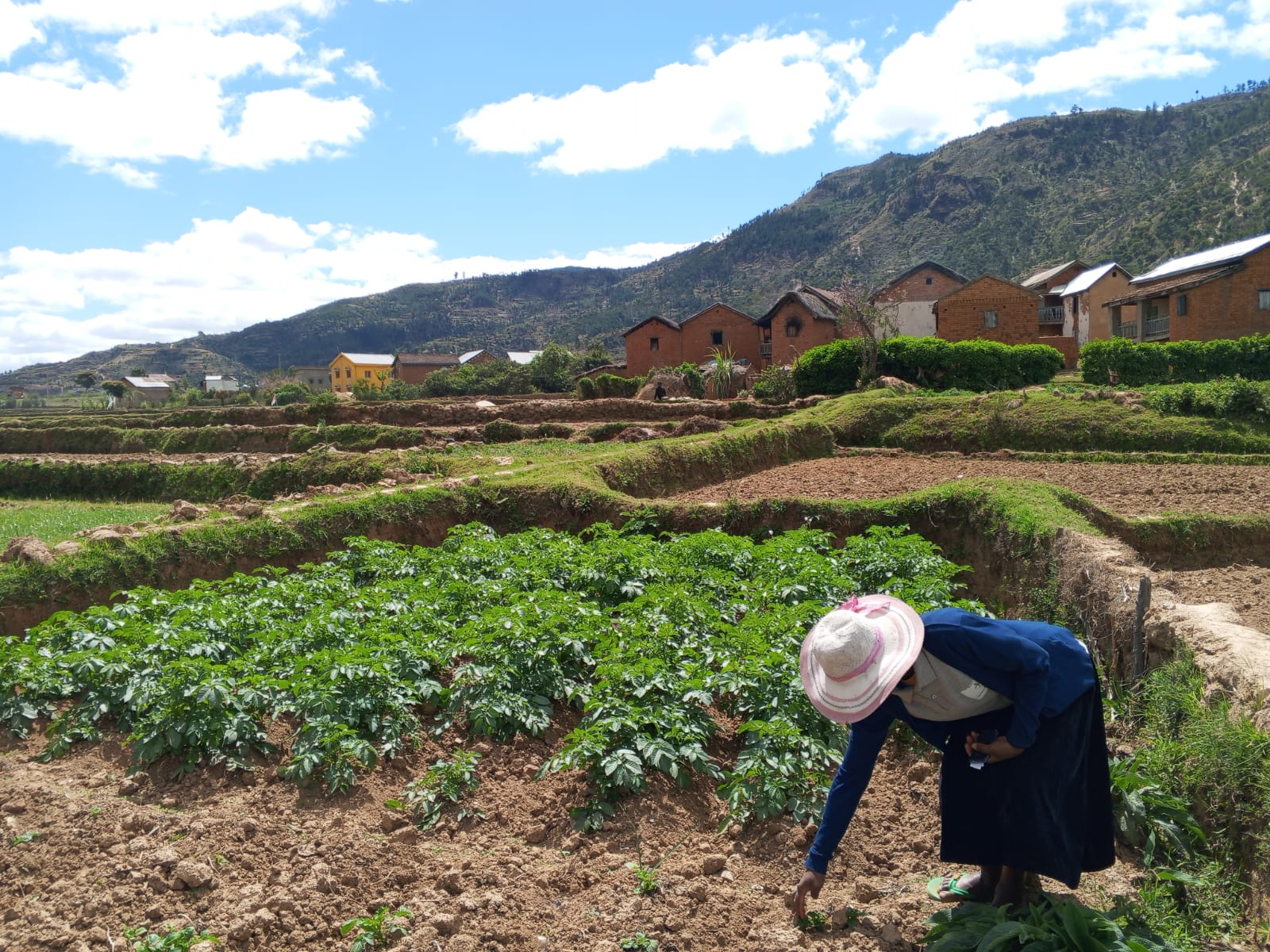
FIPS Africa and partners have launched a three-year programme in Madagascar’s Vakinankaratra Region that aims to reach 30,000 smallholder farmers through 600 Village-Based Advisors (VBAs), with 15,000 farmers expected to scale promoted agricultural technologies.
Building on pilot learning
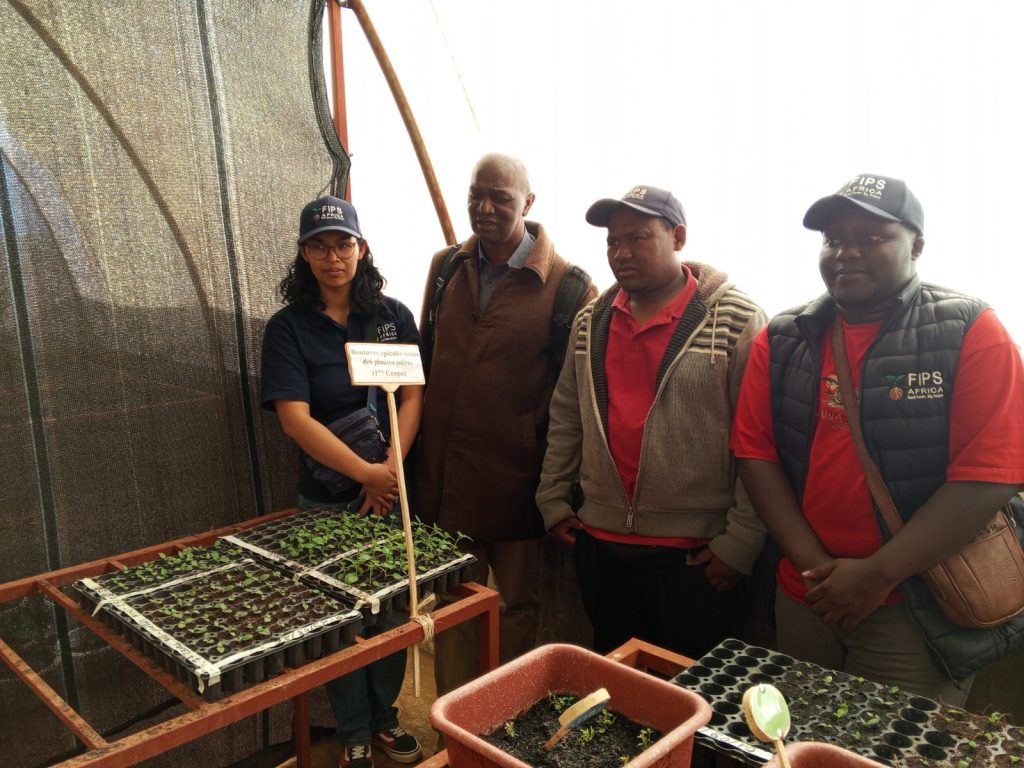
The programme marks a new phase in FIPS Africa’s work with African partners to adapt the Village-Based Advisor (VBA) model, small trial packs approach and practical agricultural technologies to local contexts. It builds on the successful pilot project, Improving Rural Livelihoods by Developing and Implementing Innovations and Using the VBA-MiniPack Approach in the Vakinankaratra Region, which tested how trusted local actors can bring technologies, knowledge and advisory support closer to farmers.
Scaling practical agricultural technologies
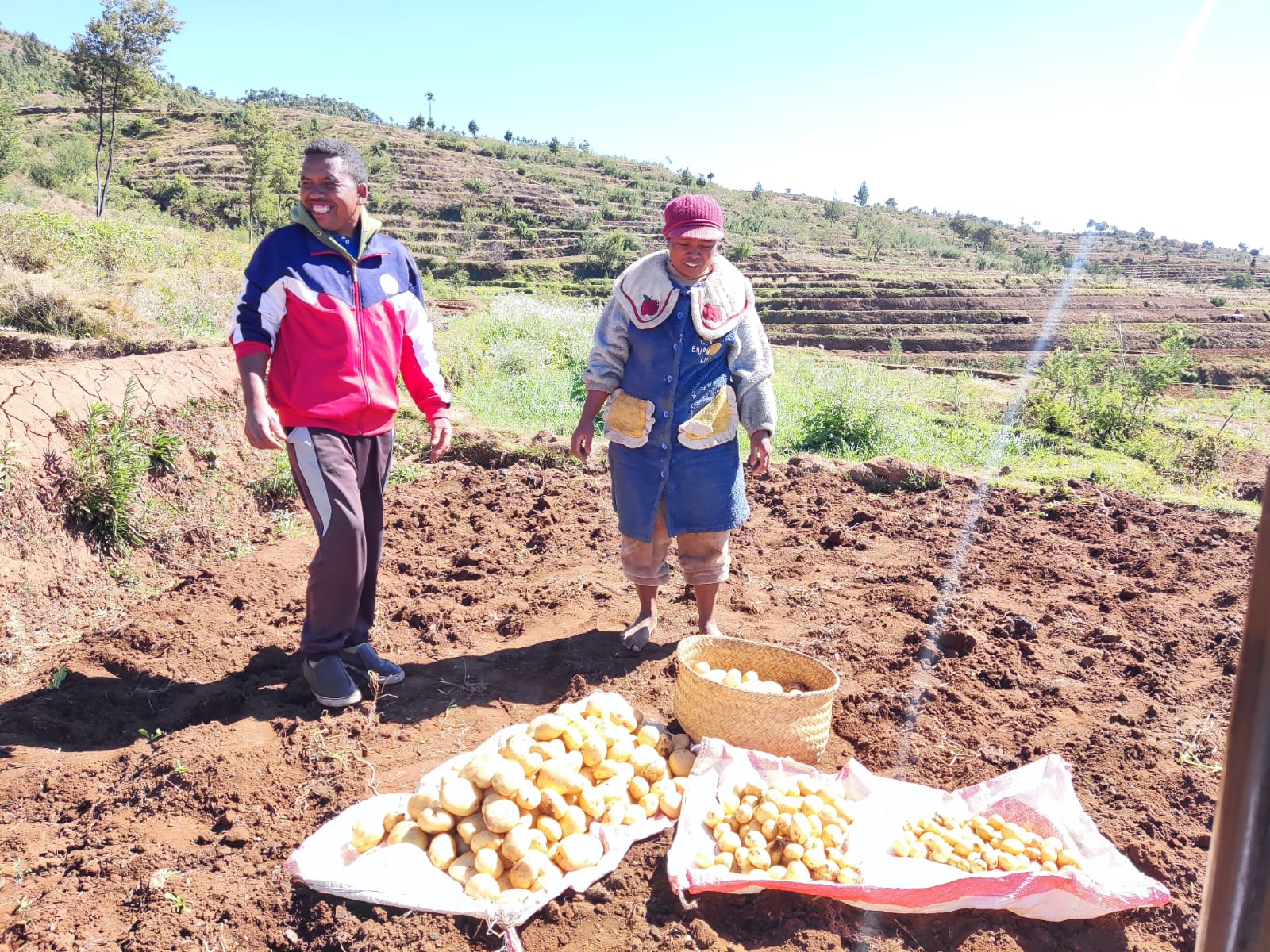
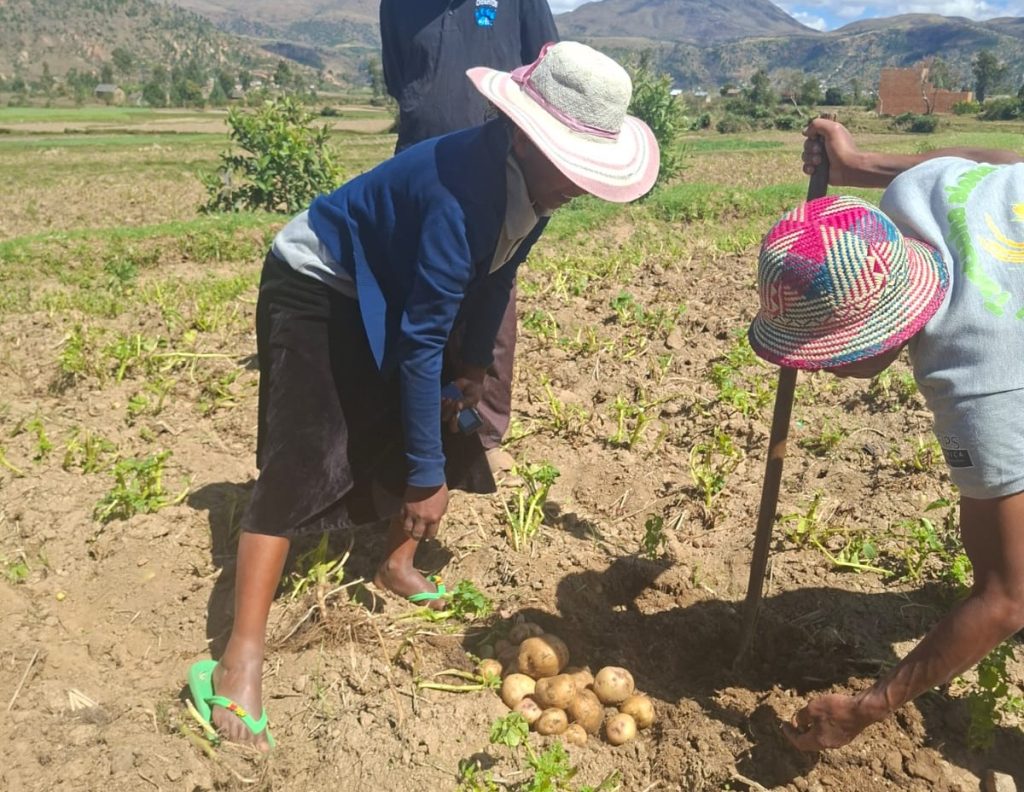
The three-year phase will support the scaling of technologies across potato, staple food crops, chicken and soil health. These include Bokashi fast compost production and application, deep tillage, soil testing, lime application and biopesticides.
Building systems that last
For FIPS Africa, this milestone reflects a wider commitment that has shaped its work for more than two decades. FIPS Africa is a systems builder. Its role is not only to introduce technologies, but to strengthen the agricultural systems that allow farmers to continue accessing knowledge, quality inputs, services, technologies and markets long after individual projects come to an end.
Listening to farmers and co-creating what works
This work is rooted in deep listening. FIPS Africa works with farmers, VBAs, youth, governments and partners to understand what farmers are already doing, what challenges they face, and what solutions can work in their local context. Through this approach, farmers are not treated as passive recipients of technologies. They are active co-creators of practical solutions that can be tested, adapted and scaled.
Strengthening African organisations
The Madagascar programme also reflects FIPS Africa’s growing role as an African organisation strengthening other African organisations. Across sub-Saharan Africa, FIPS Africa is supporting over 80 grassroots organisations and institutions in 18 African countries to contextualise and adapt the VBA model, farmer-centred approaches and agricultural technologies to their own realities.
This regional capacity-building work draws from FIPS Africa’s two decades of learning through its Kenyan hub, where the organisation has worked alongside smallholder farmers, VBAs, researchers, governments, private sector actors and local enterprises to test and refine approaches that strengthen last-mile agricultural systems.
In Madagascar, FIPS Africa’s role is to support local partners with the learning, tools, technical guidance and systems thinking needed to adapt the VBA model and associated technologies to the Vakinankaratra context. The goal is to strengthen local ownership so that partners can lead, sustain and continue improving the model beyond FIPS-supported interventions.
A consortium for sustainable scale
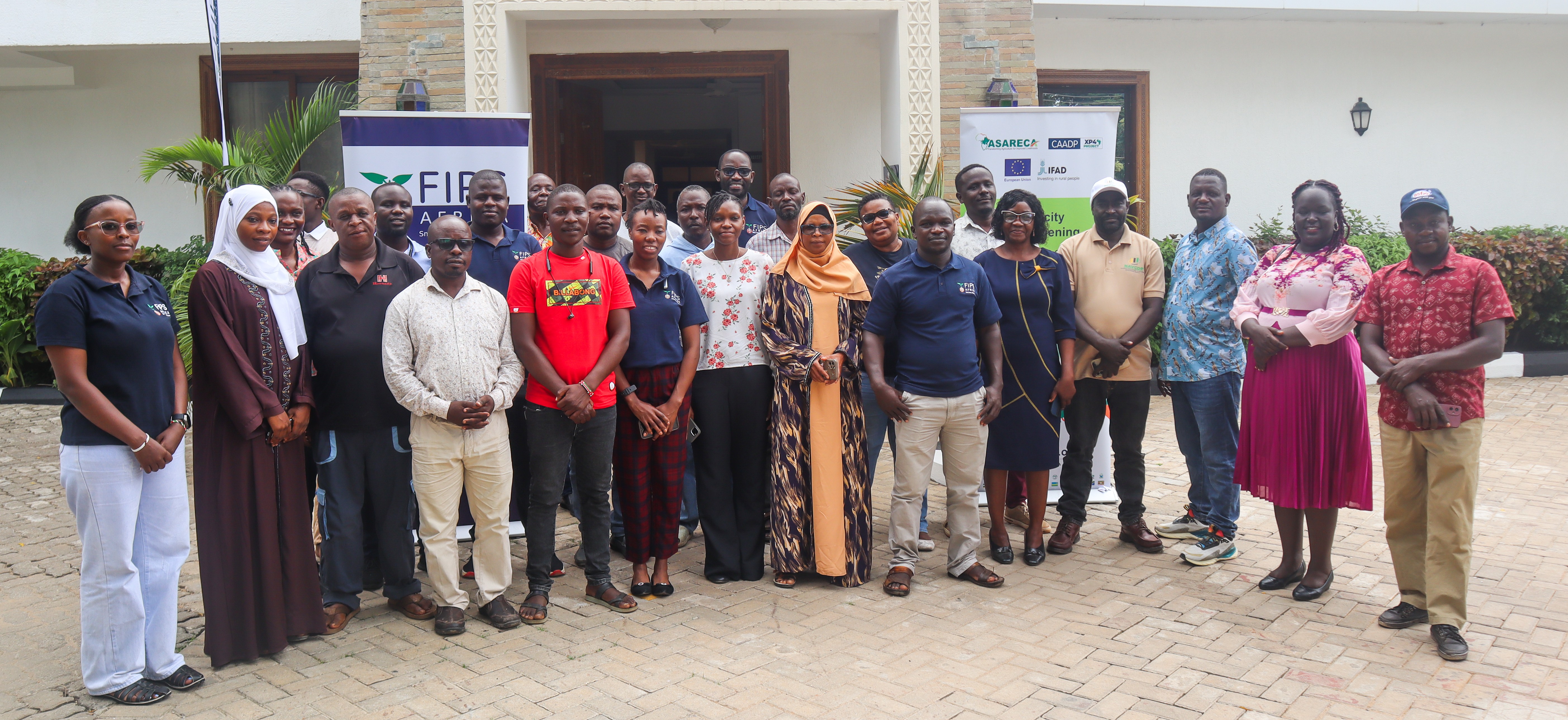
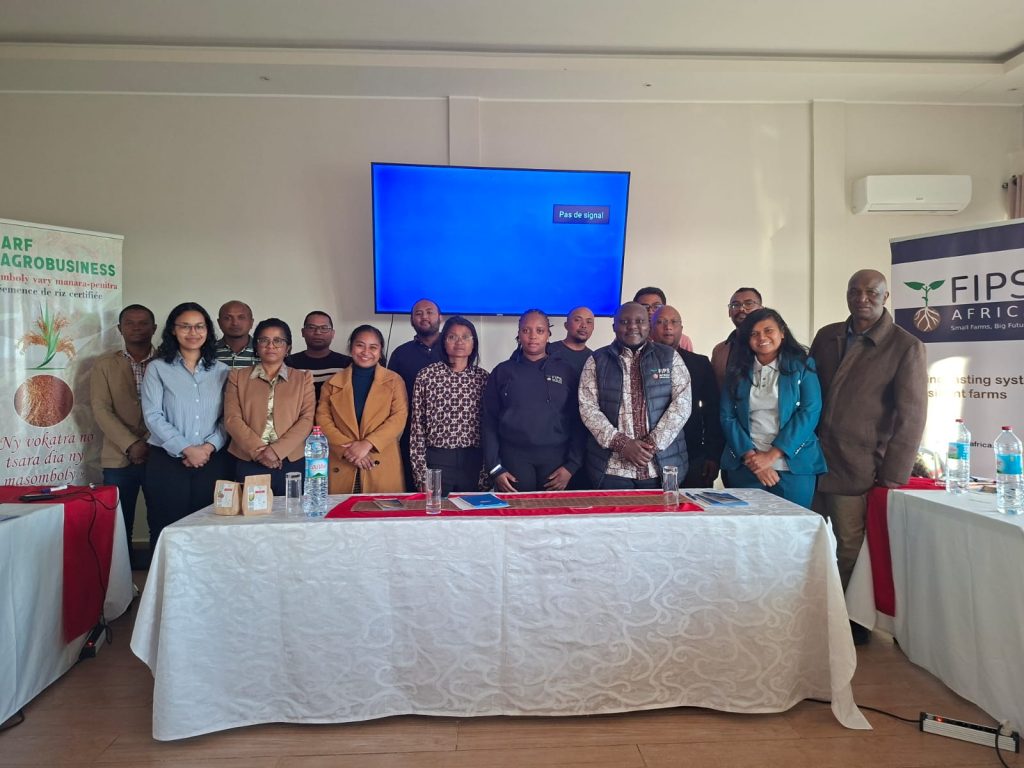
The new phase brings together a strong consortium led by RELFARH as the prime partner, working with Seed Systems Group, FIFAMANOR, DRSA, FOFIFA and AGRIMA. The partners bring complementary experience in research, technical support, farmer engagement, local service delivery, market development and institutional strengthening.
The role of VBAs in last-mile delivery
VBAs will play a central role in this next chapter. Beyond providing extension and advisory support, VBAs are trusted local actors who can connect farmers to agro-dealers, input suppliers, technical institutions, service providers and markets. With the right training and support, they can help strengthen the link between farmers and the wider agricultural ecosystem around them.
Creating opportunities for farmers, VBAs and youth
The soil health component also creates opportunities for farmers, VBAs and youth to become active participants in technology scaling. For example, local actors may be able to build enterprises around Bokashi fast compost production and supply, helping neighbouring farmers and agro-dealers access an important soil health solution closer to home.
Government alignment and institutionalisation
The participation of Madagascar’s Ministry of Agriculture and Food Sovereignty, Ministère de l’Agriculture et de la Souveraineté Alimentaire, added an important institutional dimension to the inception meeting. The Ministry’s ongoing efforts to explore the certification of VBAs present an opportunity to strengthen grassroots delivery of last-mile extension services and complement the public extension system.
This alignment is important. During the discussions, partners noted that public extension systems remain overstretched, with government extension capacity reportedly serving approximately one extension officer for every 10,000 farmers. Locally anchored models such as the VBA approach can help bring advisory services, quality inputs and practical technologies closer to farming communities that are often difficult to reach through conventional extension systems alone.
From technology scaling to system change
For FIPS Africa, the opportunity is not simply to scale the VBA model. It is to help shape agricultural systems that are more accessible, locally led and capable of continuing to serve farmers beyond the life of a project.
The transition from pilot to scale in Madagascar shows what becomes possible when African organisations learn together, adapt together and build around the realities of smallholder farmers. It is a move from technologies to systems, from farmers reached to farmers enabled, and from short-term delivery to long-term local capacity.
FIPS Africa is proud to walk this journey with RELFARH, Seed Systems Group, FIFAMANOR, DRSA, FOFIFA, AGRIMA, government partners, farmers, VBAs and youth in Madagascar.
Small farms can build big futures when the systems around them are built to last.
Partners interested in working with FIPS Africa to strengthen farmer-led agricultural systems across sub-Saharan Africa can explore partnership opportunities here: https://fipsafrica.org/partnership/