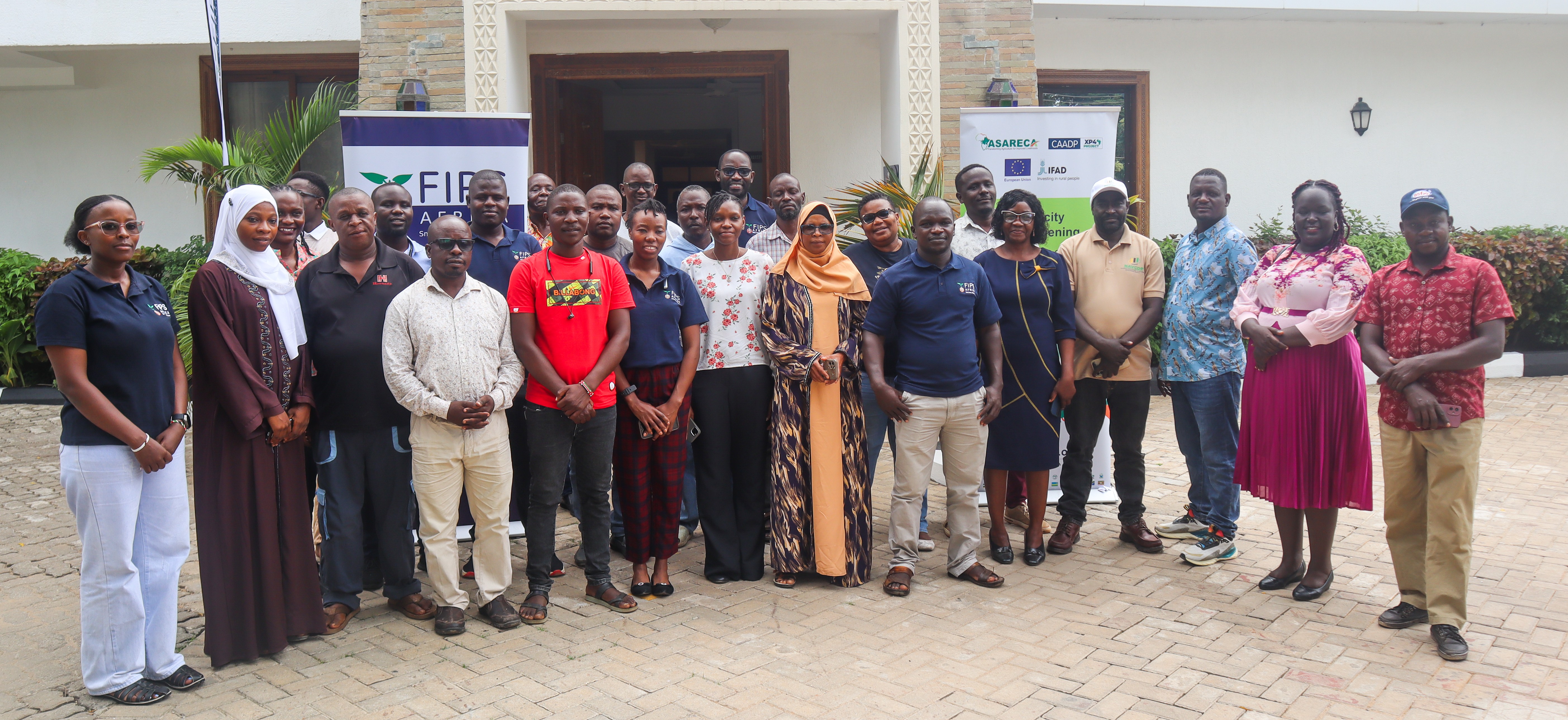
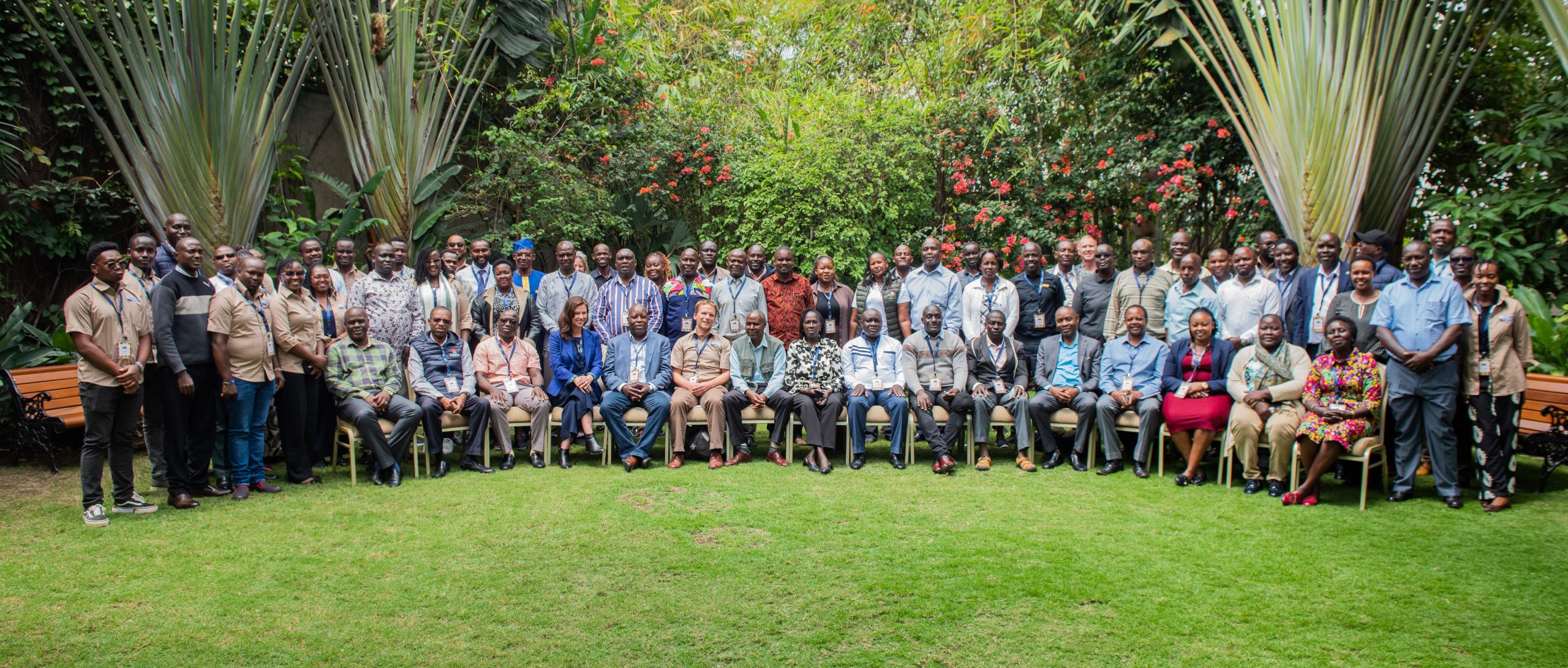
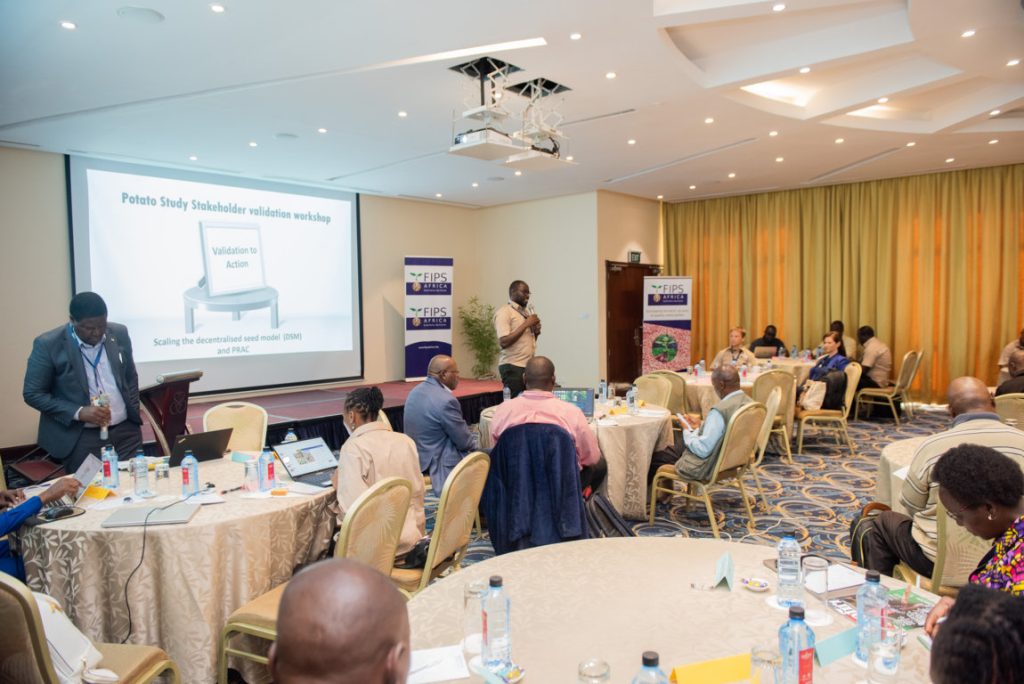
A two-day potato project evaluation results validation workshop in Nakuru has brought together partners to turn a decade of learning into practical commitments for the future of Kenya’s potato seed system.
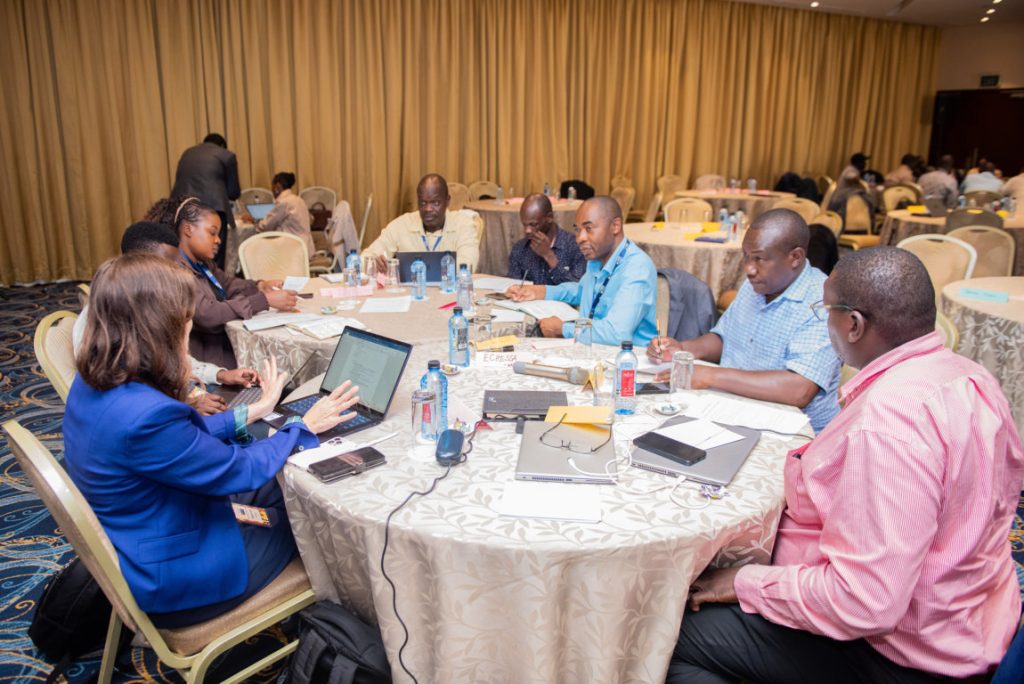
The workshop convened representatives from national and county governments, farmers, Village-Based Advisors, decentralised seed multipliers, regulators, researchers, development partners and businesses. Participants came from Nakuru, Nyandarua, Nandi, Bomet, Bungoma, Narok, Meru and Elgeyo Marakwet counties.
Using evidence from FIPS Africa’s potato project journey, participants examined the performance of potato-rooted apical cuttings and the decentralised seed multiplier model. The workshop aimed to build shared confidence in the model, identify a credible pathway for policy and regulatory uptake, and prepare the next phase for investment and scale.
Bringing quality seed closer to farmers
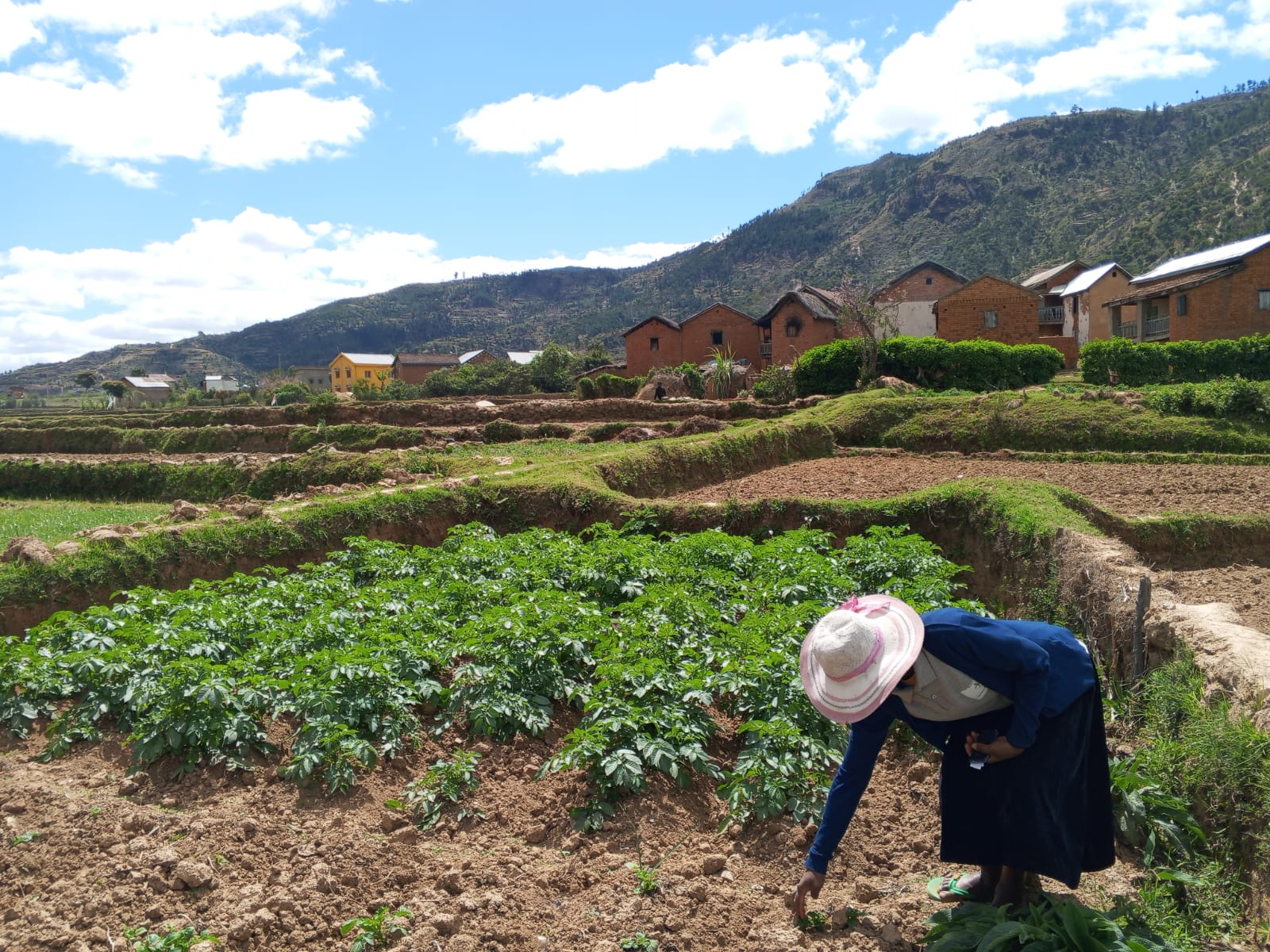
Potato is Kenya’s second most important staple crop after maize and provides food and income for millions of people. However, limited access to quality planting material remains a major constraint. Research published in 2026 found that only 44 per cent of the surveyed potato-growing households used quality seed, with availability, accessibility and cost among the main barriers to adoption. The study recommended strengthening local seed multiplication and distribution systems to bring quality seed closer to farmers. Read the study.
Leonard Bor, County Executive Committee Member for Agriculture, Livestock, Fisheries and Cooperatives in Nakuru County, said the gap between demand and supply remained significant.
“However, we recognise that the demand for clean and quality seed continues to exceed supply. More than 95 per cent of seed is still sourced from farmer-saved seed, a situation that contributes to the spread of diseases and limits productivity,” he said.
“I wish to commend FIPS Africa, the participating farmers, researchers, extension officers and all partners involved in this initiative. Innovations such as apical root cuttings have the potential to complement existing seed multiplication systems and contribute to increasing the availability of clean planting material, improving yields and enhancing farmer productivity and incomes.”
He added that the workshop was timely as Nakuru prepares to host the World Potato Congress in October 2026.
“It provides a platform to showcase the county not only as a leading potato producer, but also as a centre for innovation, research, investment and sustainable seed potato development.”
A decade of learning and adaptation
FIPS Africa’s work in potato reflects its wider approach as an African systems enterprise. Since 2003, the organisation has combined technical excellence with farmer-led co-creation to build sustainable last-mile markets and extension systems.
Rather than delivering services temporarily, FIPS Africa works alongside farmers to design, test, adapt and scale practical solutions. Through Village-Based Advisors and partnerships with governments, researchers and businesses, it builds local capacity, commercially viable enterprises and institutional ownership. Success is measured by whether the systems remain relevant and continue serving farmers after individual projects and FIPS Africa’s direct support end.
The potato project began in Meru and Nandi counties in 2016. During its first phase, 83 Village-Based Advisors and decentralised seed multipliers reached 46,000 farmers through small seed packs, demonstrations and extension support. These activities helped farmers test improved varieties and good agronomic practices under their own farming conditions.
The introduction of potato-rooted apical cuttings in 2019 marked an important stage in the journey. Six decentralised cutting nurseries were established in Meru, creating local access to clean starter material. Between 2020 and 2021, 10,400 farmers tested about 900,000 cuttings.
Since 2022, the model has expanded and become more closely linked to county extension systems. It now includes 600 decentralised seed multipliers who have reached 95,000 farmers. In Nakuru, the annual production capacity of the potato-rooted apical cutting unit increased from 800,000 cuttings in 2025 to two million in 2026.
Quality assurance has developed alongside production. Fourteen private seed inspectors have been certified, while 450 Village-Based Advisors have been trained in seed standards.
James Nyambura, FIPS Africa Potato Project Coordinator, opened the workshop by posing a question central to the model’s future:
“How do we ensure that decentralised potato seed multiplication is embedded in the county agricultural extension system?”
This question guided discussions on how government extension structures, local enterprises, quality assurance and farmer-led advisory services can work together as one sustainable system.
What the evaluation found
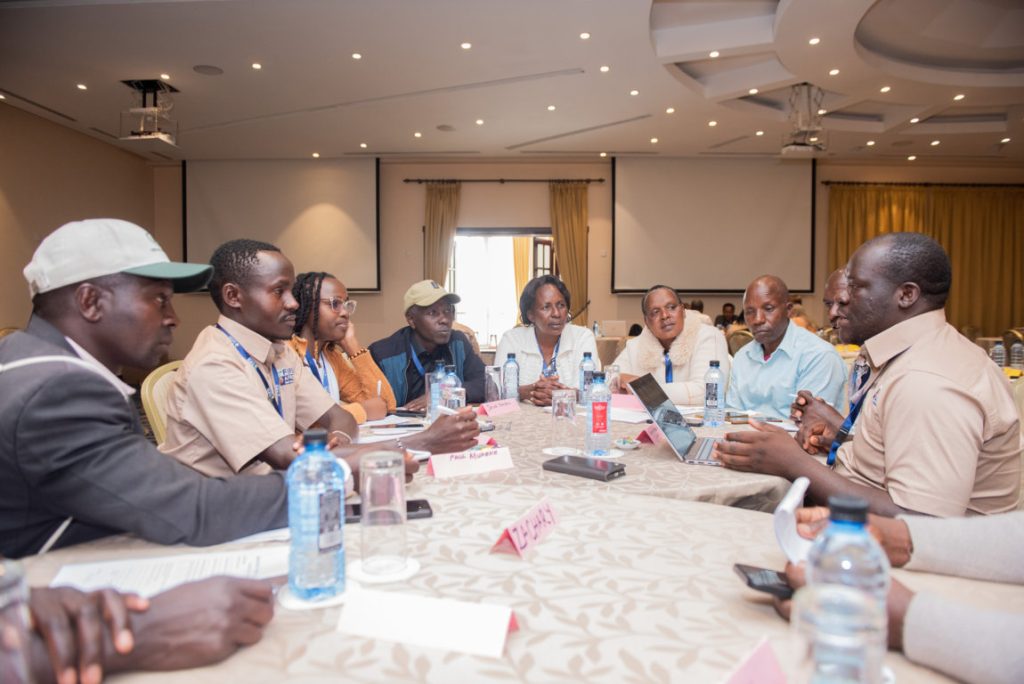
The independent evaluation was conducted by iKappal East Africa and presented by consultant Dr Abel Otieno. It examined five areas: access to quality seed, performance, adoption, costs and returns, and long-term sustainability.
“The FIPS model is working, but at different levels of maturity across the three counties,” Dr Otieno said.
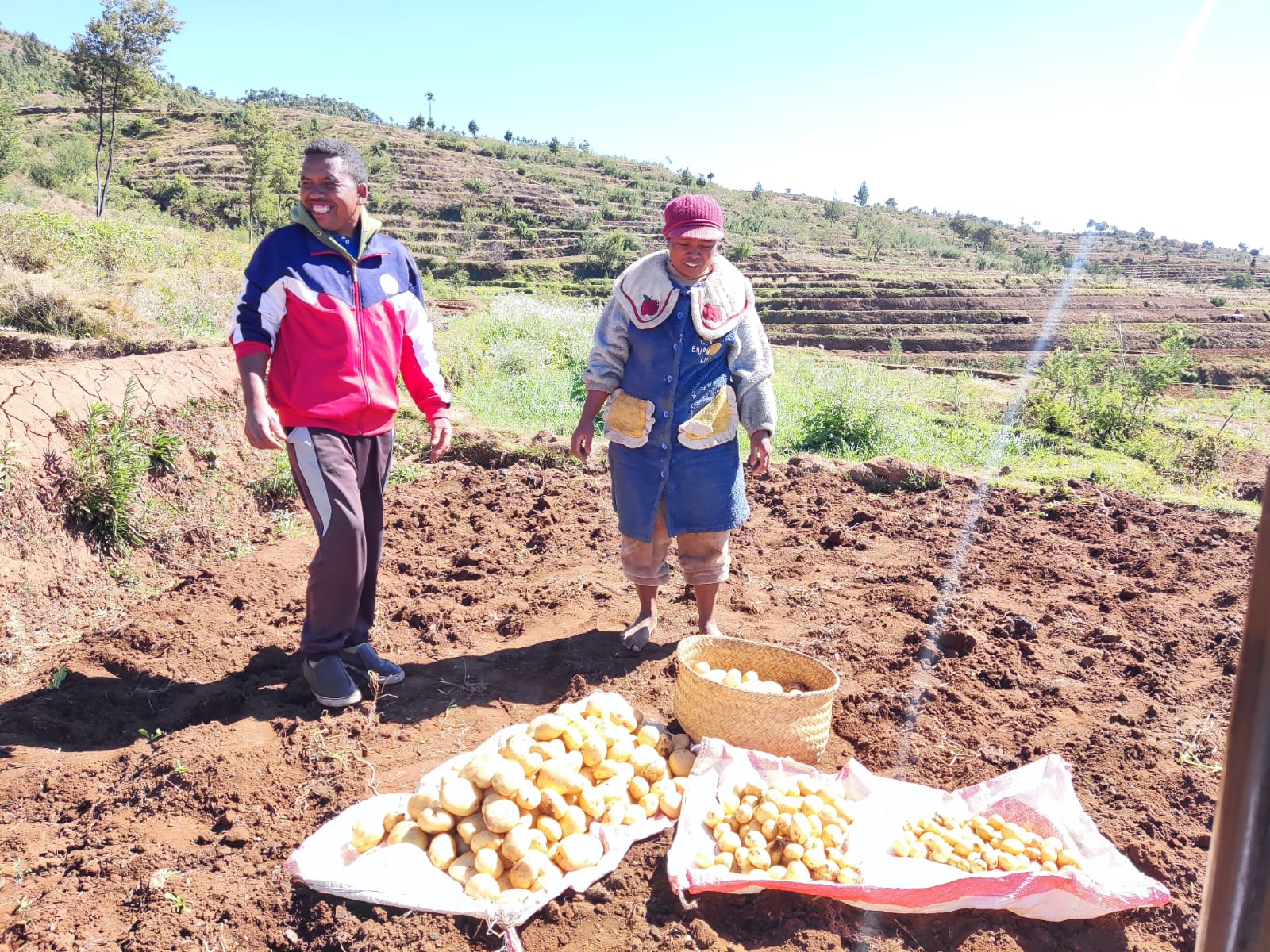
In Nakuru, 73.8 per cent of participating farmers reported sourcing seed from Village-Based Advisors or decentralised seed multipliers, compared with 3.4 per cent in the comparison group. Among participating farmers, 91.9 per cent had adopted improved varieties and 81.7 per cent had expanded the area under potato production.
The evaluation also found strong commercial interest among multipliers. About 92.5 per cent of the Village-Based Advisors surveyed considered seed potato more profitable than ware potato, while 97.5 per cent intended to continue multiplying seed. The estimated gross margin was KES 552,000 per acre, with a return on investment of more than 300 per cent.
Evidence from Meru and Nandi pointed to continued activity beyond the initial project phases. In Meru, 80 per cent of surveyed Village-Based Advisors remained commercially active, while 83.3 per cent had multiplied seed for more than six seasons. In Nandi, all the Village-Based Advisors surveyed continued producing and selling seed, with more than 90 per cent reporting that seed potato was more profitable than ware potato.
These findings suggest that decentralised multiplication can improve access to quality seed while creating viable local enterprises. However, the evaluation also identified the need for stronger standards, clearer recognition, reliable demand, affordable finance and closer integration with government extension and regulatory systems.
Recognition and regulation
Dinah Borus, researcher and agronomist at the International Potato Center, said the evaluation showed that farmers were increasingly choosing more reliable seed sources instead of buying planting material from ware potato markets.
“One important finding is that very few farmers are sourcing seed from ware potato markets. Instead, they are buying clean seed from multipliers who follow defined production and management processes,” she said.
“The evidence shows that clean seed, and even seed improved through positive selection, is a better option than planting material bought from the ware market. It performs better and delivers higher yields.”
She called for a clear pathway through which farmer-led multipliers can be recognised and progress within the seed system.
“We should leave this workshop having agreed on how to recognise, formalise and scale what is already working. The FIPS Africa model is powerful because farmers can identify with Village-Based Advisors as fellow farmers, particularly where government extension officers are limited.”
She noted that some decentralised enterprises, including Munene’s nursery, have received approval from the Kenya Plant Health Inspectorate Service, showing that farmer-led enterprises can transition into the formal seed system.
Kenya’s seed certification framework allows competent public and private actors to be authorised to undertake specified certification functions after training and evaluation, subject to monitoring and audit by KEPHIS. This creates an important foundation for expanding quality assurance closer to farmers. Read the KEPHIS authorisation guidelines.
Participants also discussed the need for an appropriate pathway to recognise quality-declared seed and farmer-led multiplication while protecting farmers through clear production, inspection, traceability and quality standards.
Kennedy Anahinga, Director of Policy at Kenya’s State Department for Agriculture in the Ministry of Agriculture and Livestock Development, said the ongoing review of the policy framework creates an opportunity to consider changes within the sector.
“Our current policy framework is being reviewed to take into account the changes and developments that have occurred since it was introduced,” he said.
“This provides an opportunity to address emerging issues and ensure that the policy continues to respond to the needs of farmers, seed producers and other actors in the agricultural sector.”
Building a system that lasts
Dr David Priest, FIPS Africa Executive Leader for Programmes and Innovation, said the future of the model depends on developing consistent standards that can be adopted beyond one organisation or project.
“One of the strongest messages I have heard is the need for a standardised system for training, evaluating and recognising what makes a good decentralised seed multiplier,” he said.
“We have discussed regulation, certification and accreditation, and I am excited by the possibility of developing a system that becomes bigger than any one organisation or project.”
He said decentralised multipliers should be supported to operate within a recognised and sustainable national system.
“If we are looking several decades into the future, we need to ensure that the decentralised seed multipliers in this room, and the hundreds or even thousands more we hope to develop in the years ahead, are not simply individuals working independently. They need to operate within a strong, recognised and sustainable system.”
From validation to action
The workshop culminated in the development of an action tracker that assigns responsibilities and identifies areas for continued collaboration. In the coming months, stakeholders will advance investment, scaling, replication and recognition of the decentralised seed multiplier and potato-rooted apical cutting models.
The proposed next phase would extend the approach to 10 potato-growing counties and 123 wards. It aims to develop 2,560 decentralised seed multipliers, each producing seed on three acres.
At full scale, the model is projected to contribute 75,000 metric tonnes of seed potato annually, equivalent to about half of the estimated national demand. This could support the production of 750,000 metric tonnes of potatoes from 75,000 acres, with an estimated annual value of KES 15 billion (USD 116 million). These figures are projections presented for discussion and will depend on investment, regulation, market development and coordinated implementation.
The immediate priorities include developing common training and assessment standards for decentralised seed multipliers, establishing a practical pathway for their recognition, strengthening links with county extension systems, expanding local access to starter material, improving inspection and quality assurance, and mobilising public and private investment.
Progress so far has been possible because governments, farmers, Village-Based Advisors, decentralised seed multipliers, researchers, regulators, development partners and businesses have contributed their knowledge, resources and experience. The next phase will require the same shared ownership.
For FIPS Africa, this is what systems development means: combining technical evidence with farmers’ experience, building viable local enterprises and working with institutions so that proven solutions can continue serving farmers at scale.
Small Farms, Big Futures.
Watch the recorded workshop proceedings on the FIPS Africa YouTube channel.