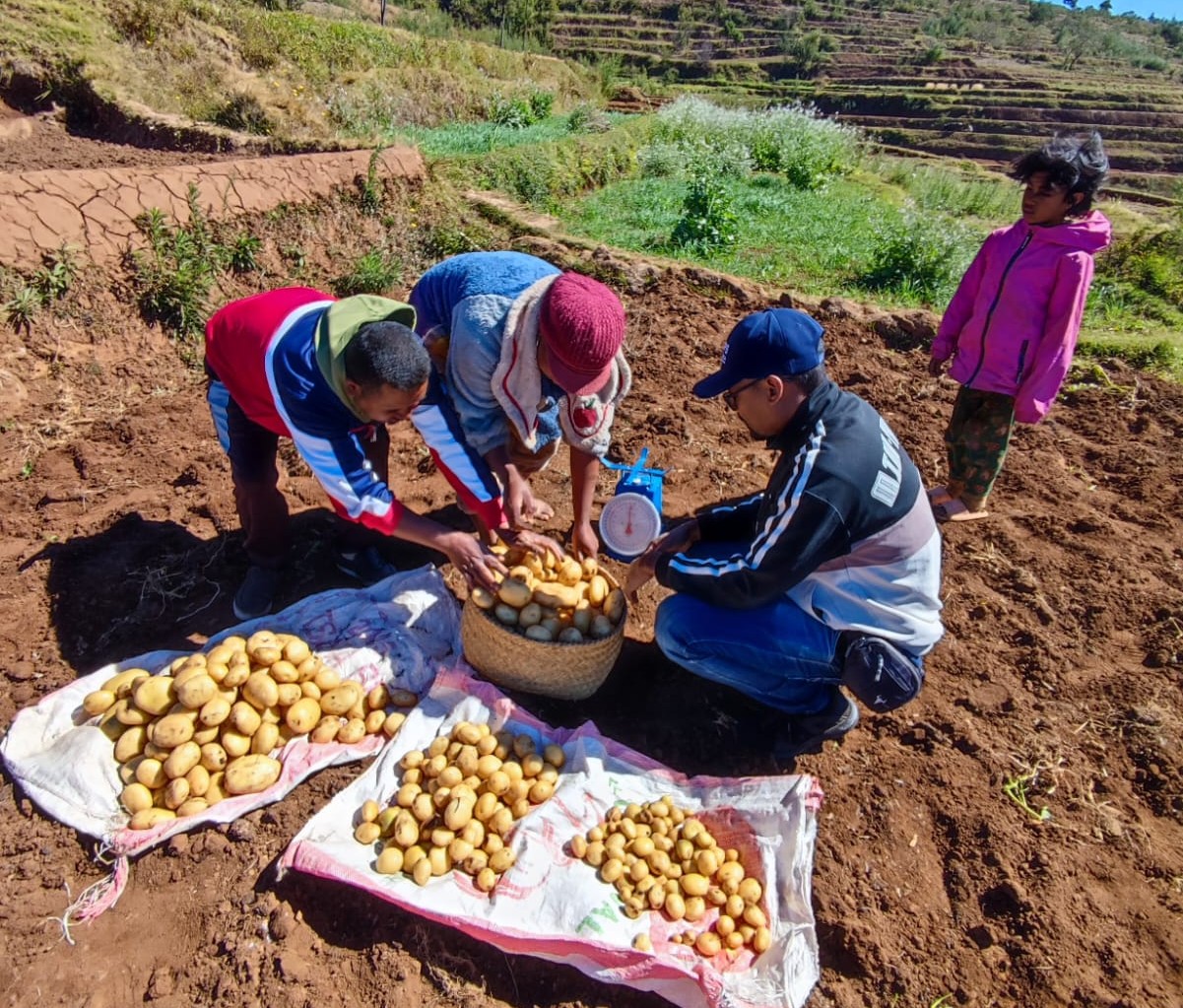
FIPS Africa’s philosophy is that smallholder farmers adopt innovations with greater confidence when they can see them working in their own farms. This is why FIPS supports Village-Based Advisers to distribute small trial packs of seed and establish local demonstrations hence turning farms into practical learning sites.
Alvin Oduor Oluoch, Senior Training Unit Coordinator at FIPS Africa, explained:
“For more than 20 years, FIPS has been developing and implementing innovative approaches to improve farmers’ productivity. Several years ago, FIPS decided that the best way to expand its model into other countries in sub-Saharan Africa was to strengthen the capacity of partner organisations.”
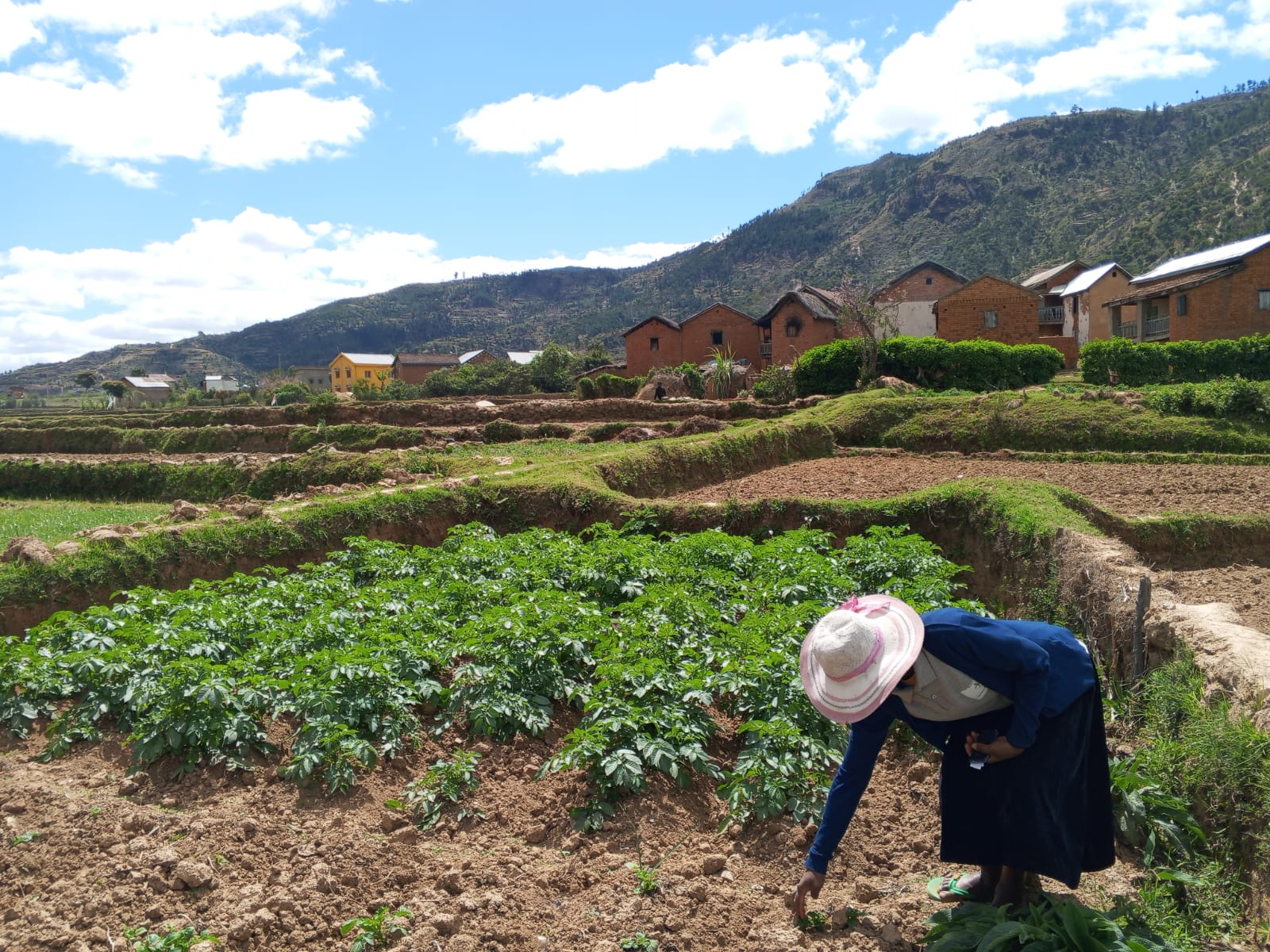
One of FIPS Africa’s more recent partnerships is in Faratsiho, Madagascar. FIPS is supporting a consortium comprising FIFAMANOR, a national research centre, DRAE leading farmer outreach activities and RELHARF, the seed company leading implementation of the VBA rollout on the ground.
Alvin continued:
“Each country adapts FIPS Africa’s models to its own local conditions.
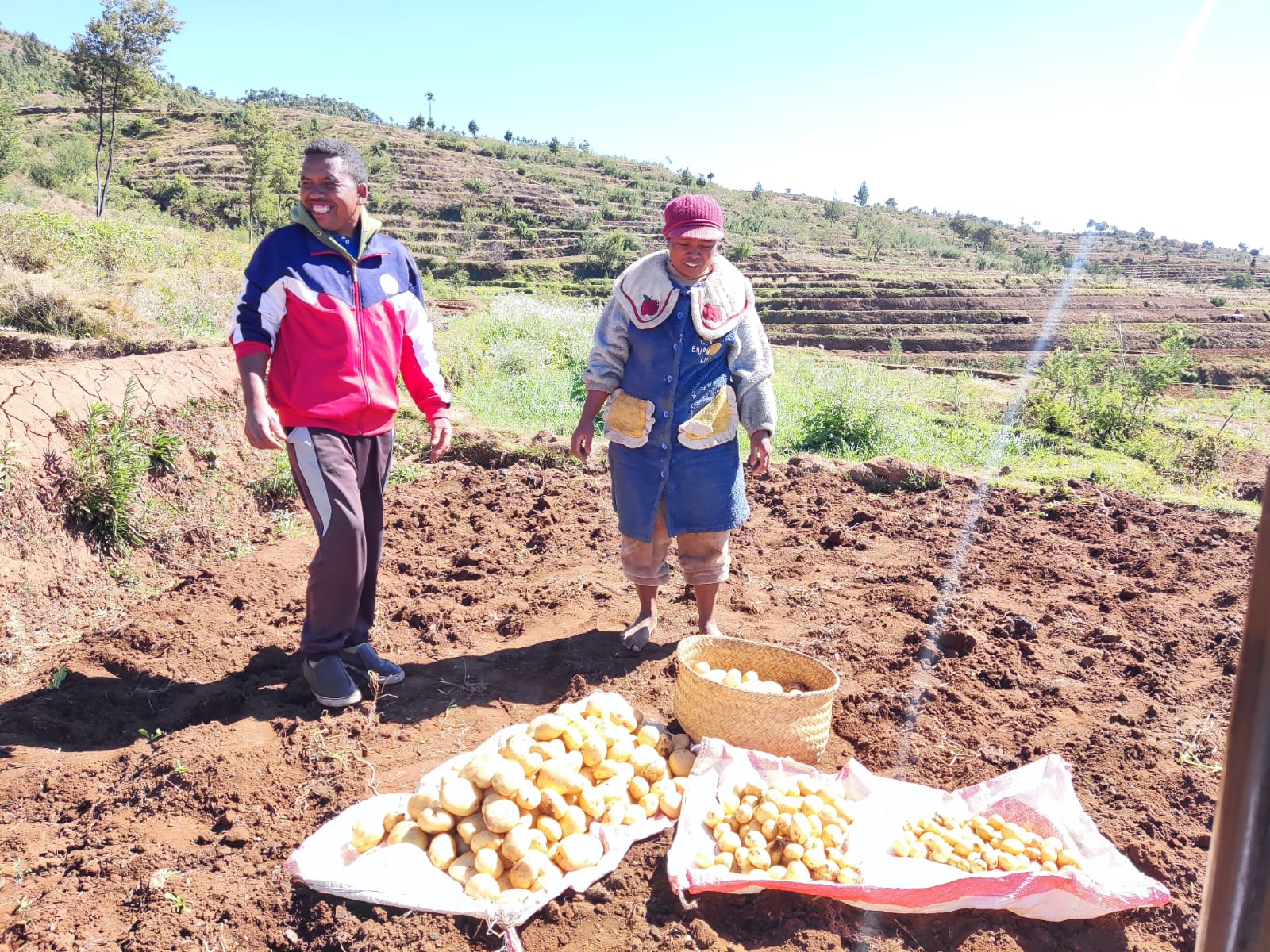
“Village-Based Advisers in Madagascar have been training farmers to work with rooted apical cuttings for potato production. During a recent pilot, farmers harvested 38 kg of potatoes from just 85 plants established from rooted apical cuttings, the equivalent of approximately 22 tonnes per hectare. This strong yield demonstrated the innovation’s potential to increase productivity once improved access to quality potato planting material is secured.”

FIPS has been working with potato farmers in Kenya to develop practical lessons on rooted apical cuttings and greenhouse multiplication. Village-based advisors then share this learning with farmers through local demonstrations.
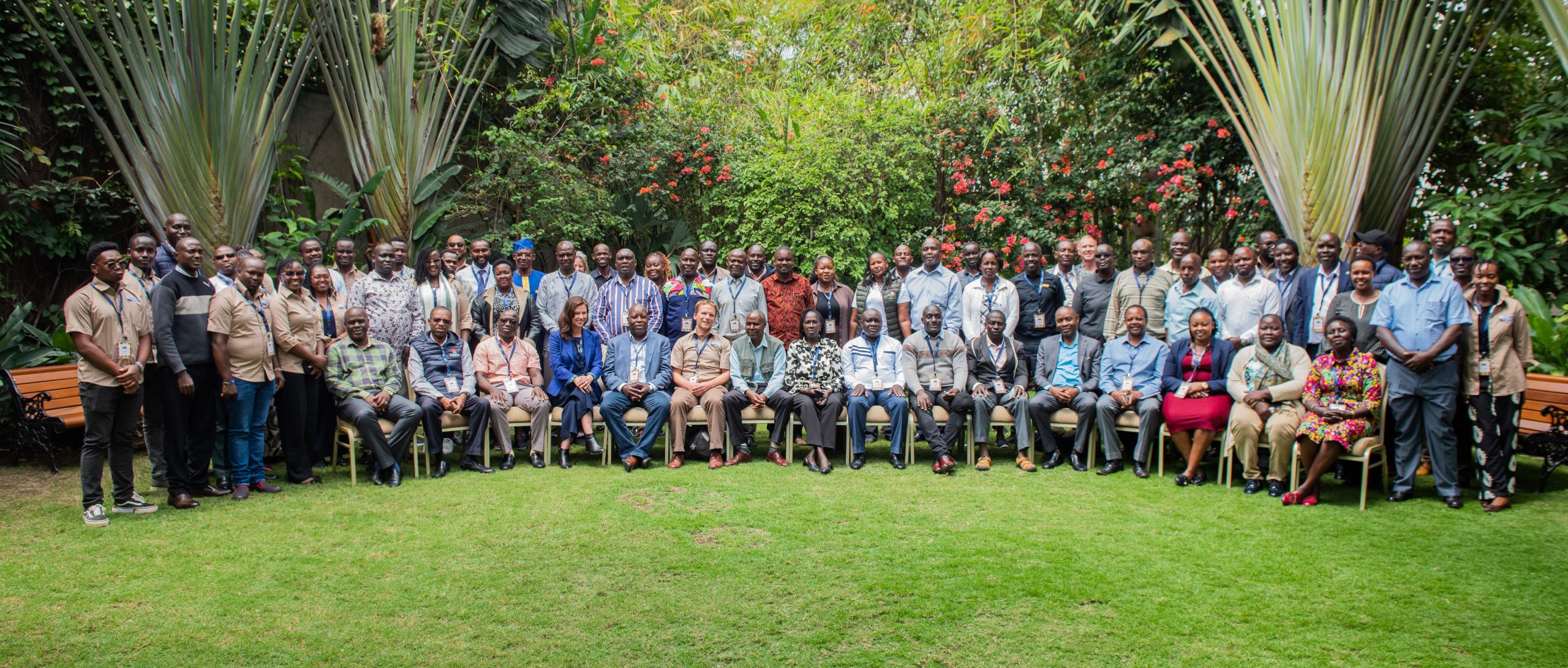
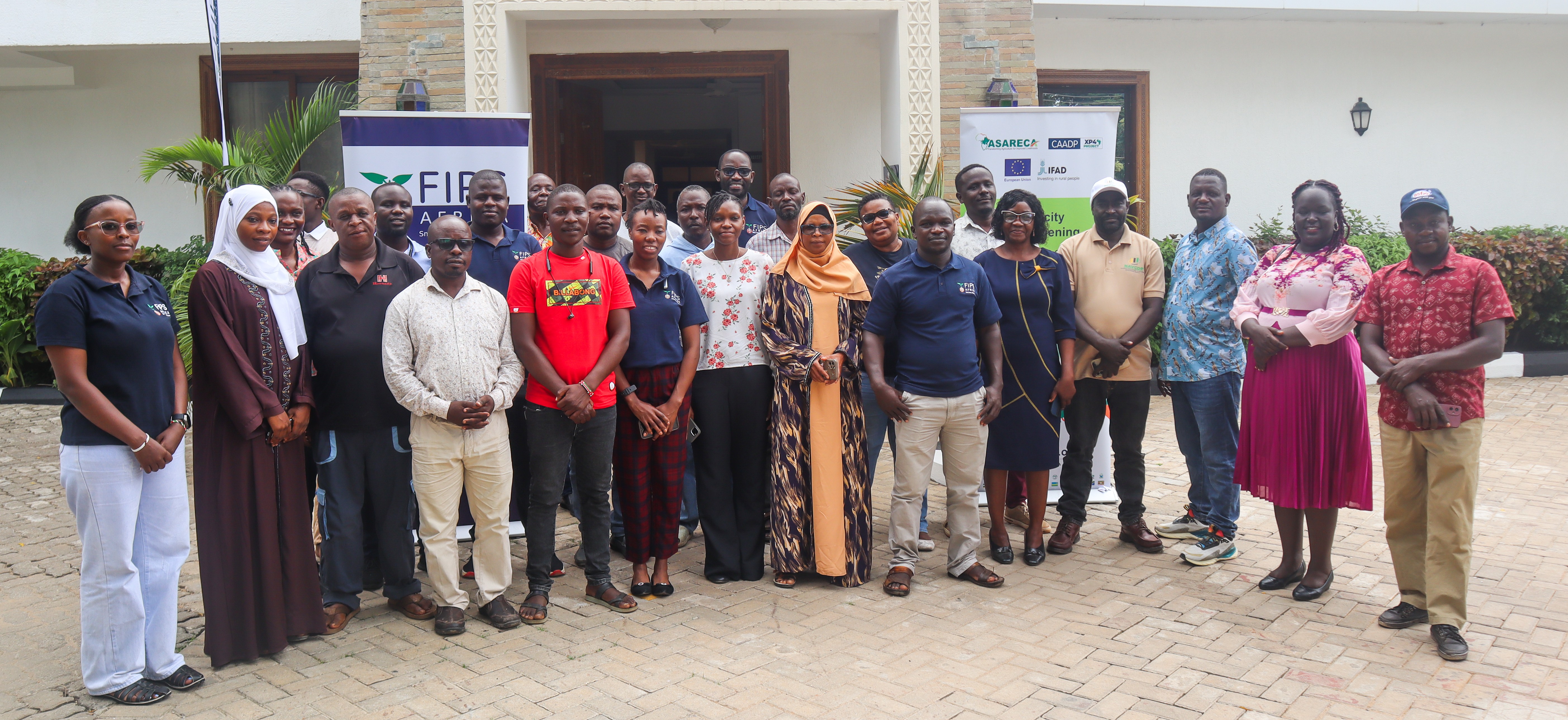
Earlier this year, FIPS hosted a learning event. Partners from Madagascar were joined by representatives from DRAE, Réseau Burundi 2000 Plus, and ISABU from Burundi to learn about Potato Apical Rooted Cuttings and how the technology is transforming farming communities in Nakuru and Nandi regions.
Jean Marie Vianney, Program Lead RBU 2000 plus remarked:
“Seeing the work that FIPS has been doing in Nakuru, and the practical lessons it has generated about implementing potato projects was a game changer.
“Our partners are eager to adapt proven last-mile approaches to their own national contexts. They value the way FIPS helps strengthen local capacity, enabling farmers to access practical, affordable and locally tested solutions.”