Over the past seven years, FIPS Africa has been testing a series of approaches to improve soil fertility in smallholder farming systems.
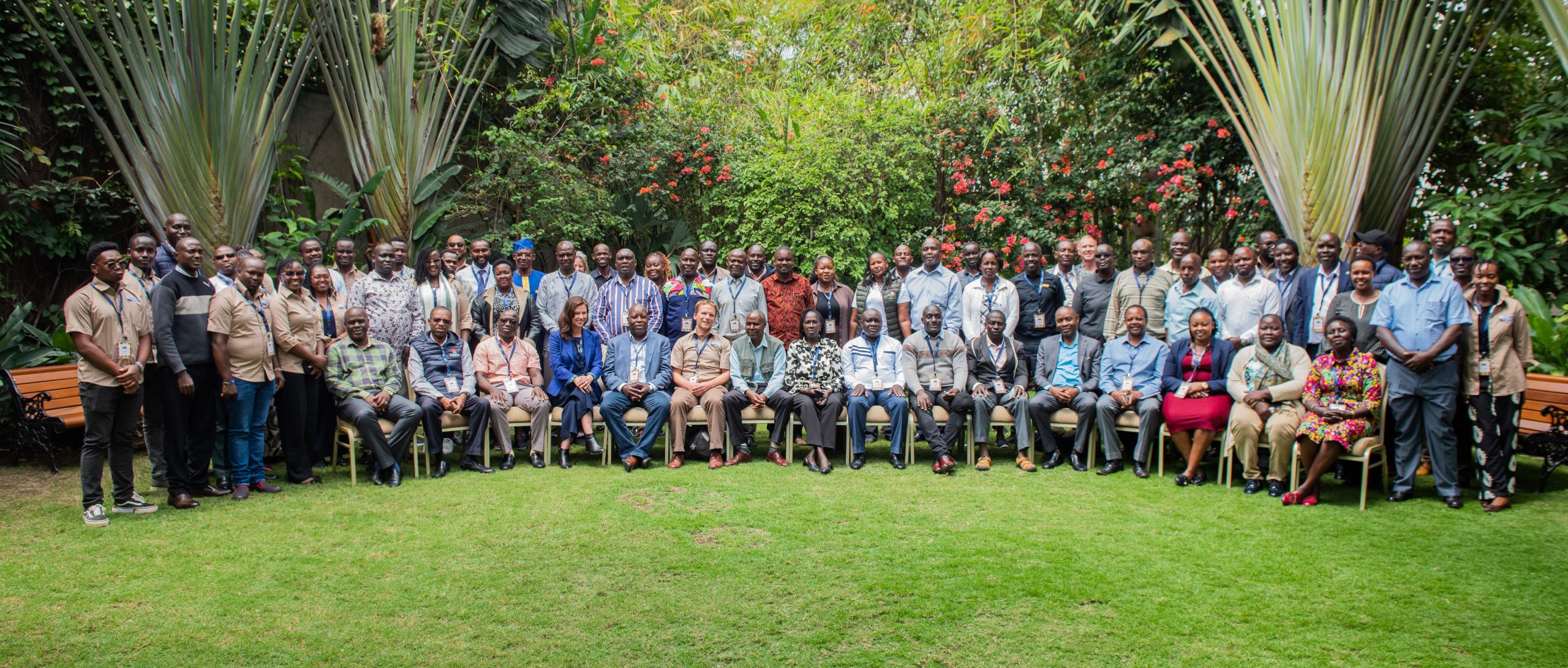
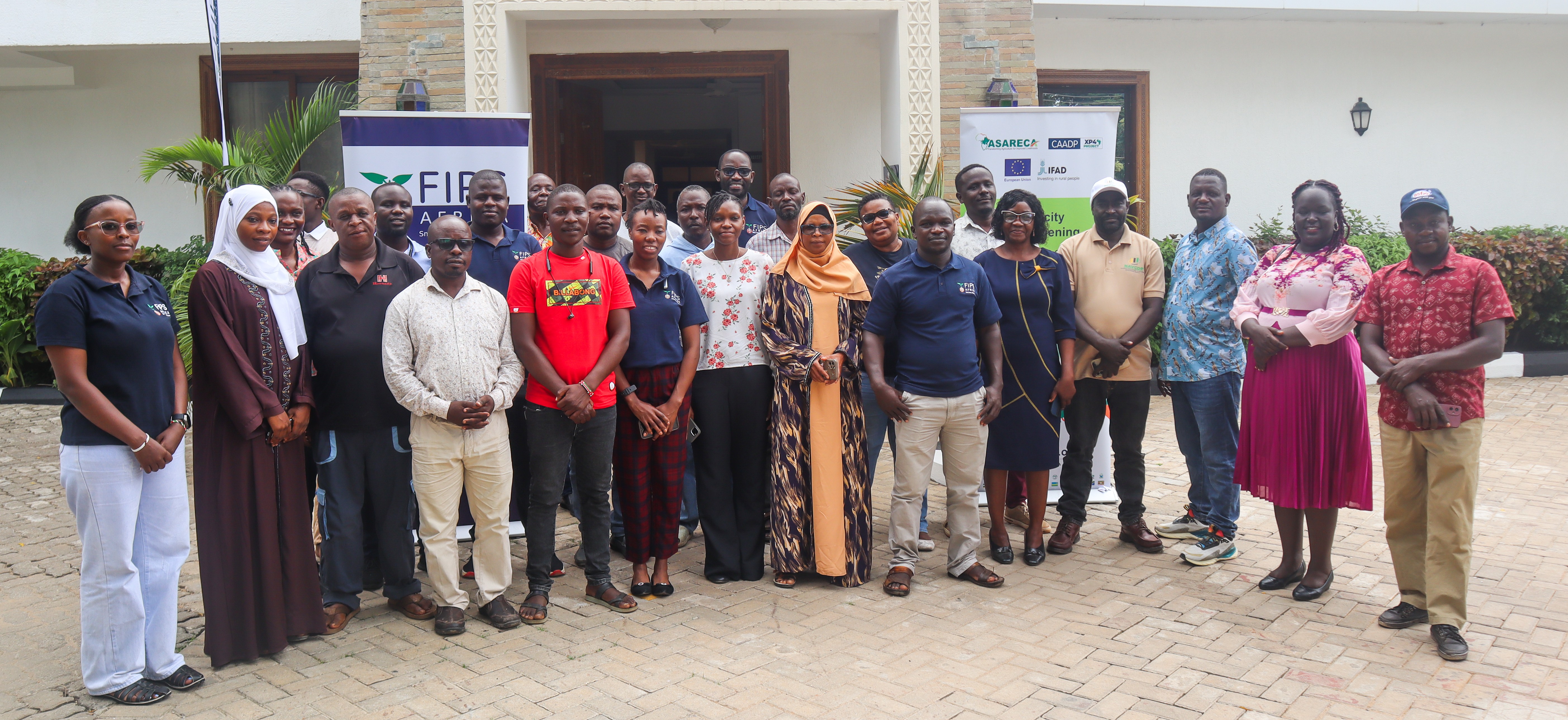
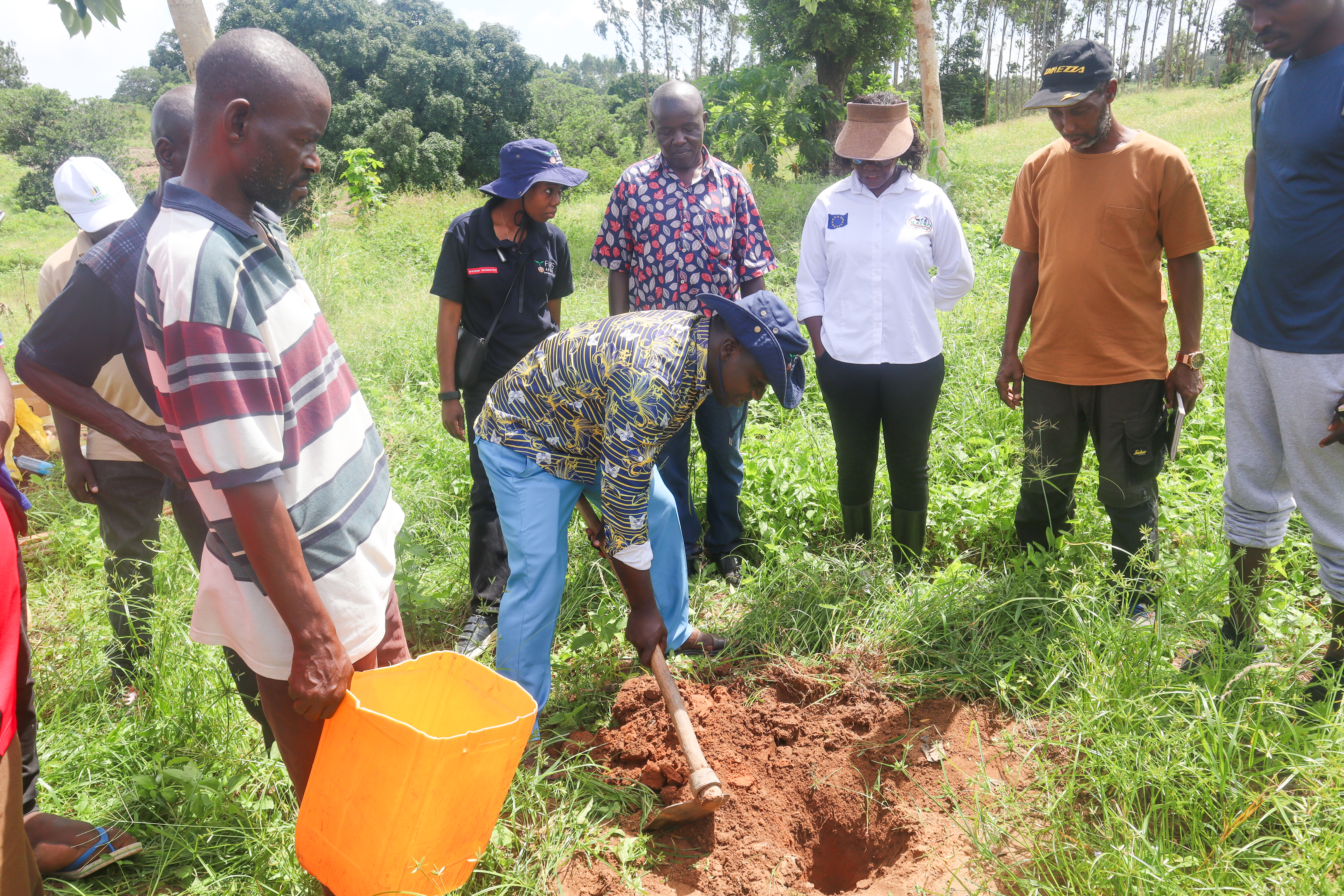
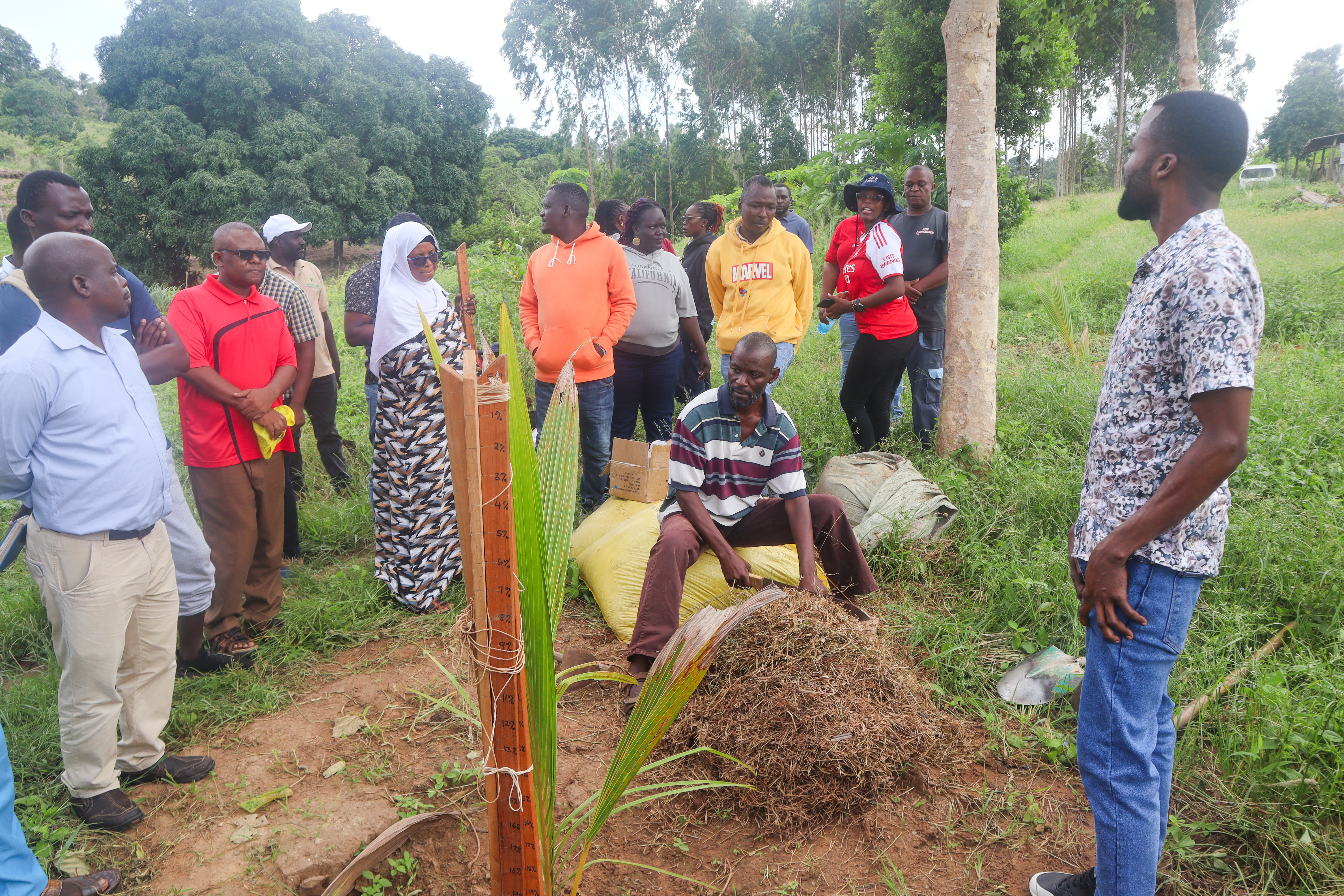
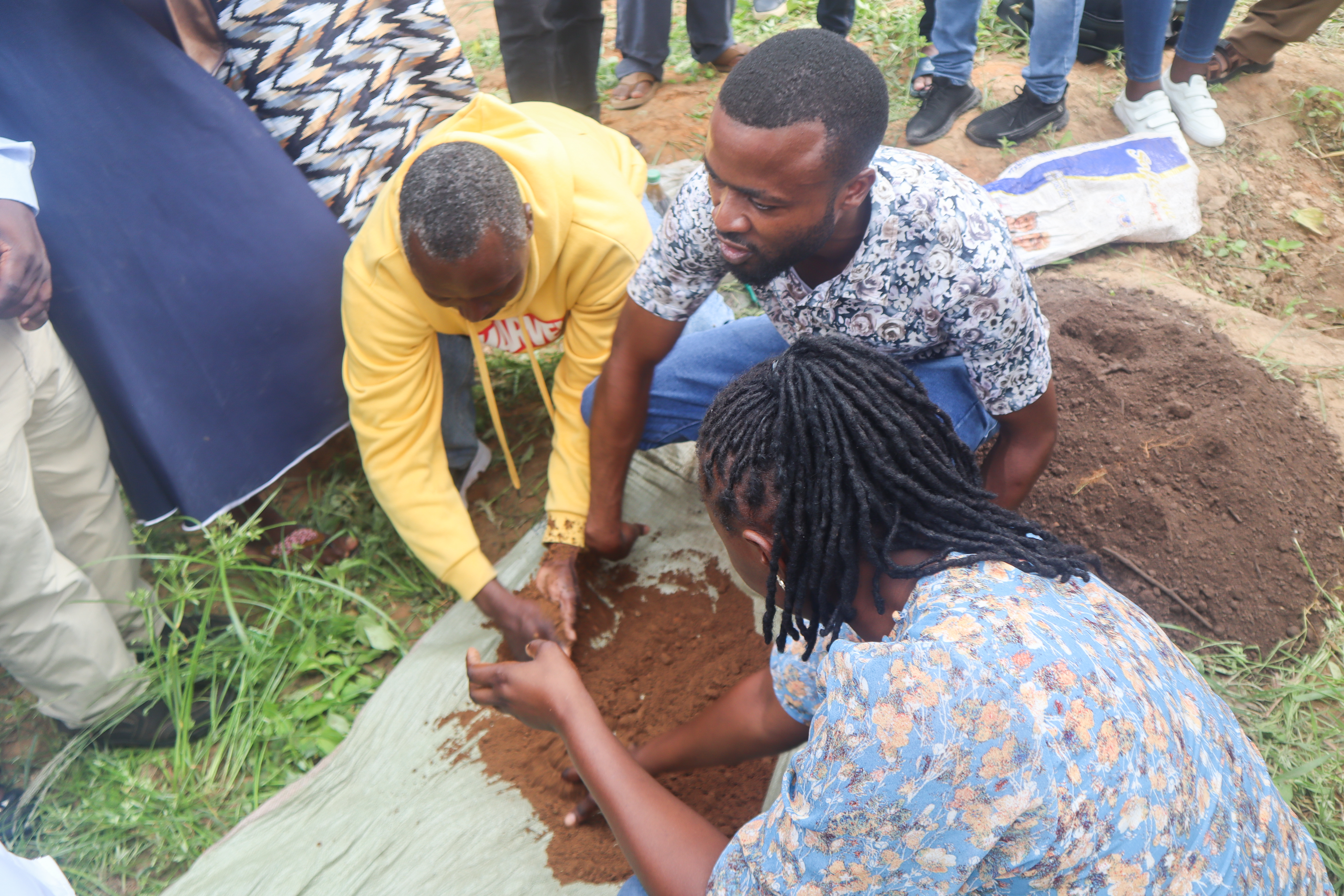
In early July 2026, FIPS convened a meeting of partners from the Matuga Network in Kwale County. The event combined stakeholder engagement with training in proven soil health and soil and water conservation approaches.
As a result of the training and the equipment distributed among participants, more trained local service providers are now available. This will make soil testing and conservation services more accessible and affordable, enabling more farmers to make informed decisions based on accurate assessments of their soils.
James Mumo, the Research Coordinator at FIPS Africa said:
“The soil around Kwale is typical of soils found across much of Africa. Soil testing done by FIPS Africa in recent years has consistently found low organic carbon, and predominant sandy texture. Such soils have been historically associated with and widespread deficiencies in nitrogen, phosphorus and other essential nutrients.
“These coastal depleted degraded soils are often accompanied by slight or moderate acidity, with pH levels generally between 5.4 and 6.7of pH ranges between 6-8. Although severe acidity does not appear to be widespread, continued nutrient removal, nutrient leaching and the inappropriate use of acidifying fertilisers could increase the risk. Any long-term improvement in farmers’ fortunes will depend on taking soil health seriously, community and landscape level shift towards soil health improving practices.”
The meeting was attended by Mr Bernard Mainga, Director of Agriculture for Kwale County, alongside ward and sub-county agricultural officers. FIPS was also pleased to welcome Dr. Kasichana Christine, Centre Director at KALRO Matuga, members of her team and colleagues from ShambaSense.
James continued:
“ShambaSense is an important partner in our drive to improve soil health. It is a Kenyan agritech organisation dedicated to making laboratory-qualityfarmer-facing soil testing and soil health technologies that are analysis accessible and understandable to smallholder farmers.
“Rather than presenting data in complex, researcher-focused formats, ShambaSense translates the results into clear, practical and farmer-friendly recommendations. This aligns perfectly with FIPS’s commitment to co-creating practical responses to the soil challenges affecting farmers across the Coast region.
“Through partnerships that combine technical expertise, local institutions and trusted community-based advisers, FIPS Africa is advancing its vision of Small Farms, Big Futures.”
At the end of the training, 40 diagnostic soil health toolkits were distributed: 20 to KALRO,
eight to county agricultural officers,
six to FIPS Village-based Advisers (VBAs), four to young farmers, and two to FIPS field staff.
FIPS is supporting VBAs and young people to establish enterprises providing soil testing and soil conservation services. This offers a low-cost, sustainable model for delivering last-mile support to farming communities. FIPS is working on a vision where communities, governance institutions and supportive partners will co-create inclusive solutions for sustainable soil health management.
FIPS invites county governments, research institutions, private-sector partners and development organisations to work with us to expand affordable soil health services and practical soil and water conservation solutions to more smallholder farmers.