FIPS Africa and the County Government of Elgeyo Marakwet have formalised their partnership through a Memorandum of Understanding that will strengthen agricultural extension, sustainable farming, farmer services, and market access in the county.
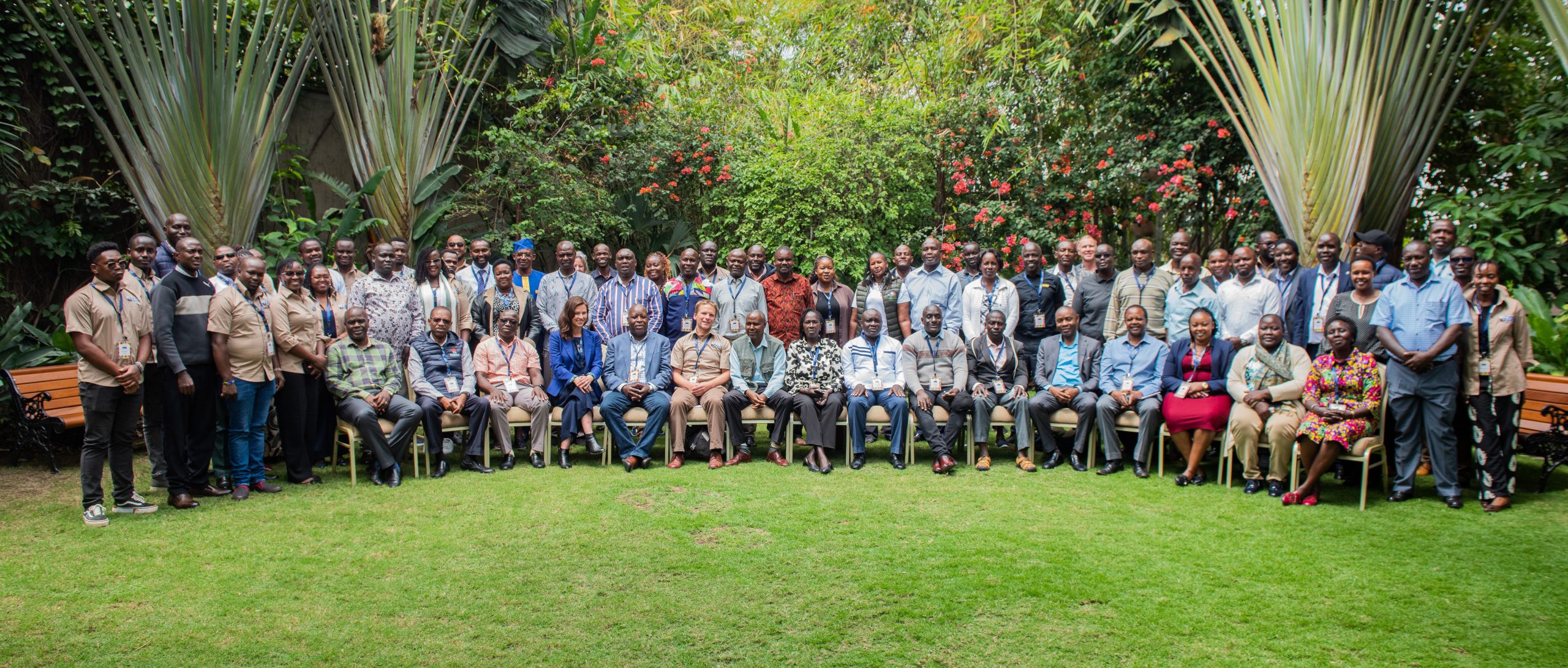
The agreement was signed during the County Agriculture Sector Steering and Coordination Mechanism meeting in Iten. FIPS Africa sponsored the meeting, which brought together public, private and non-governmental organisations to review their work and improve coordination around farmers’ priorities.
Representatives from Equity Group Foundation, REST Hub, the Cereal Growers Association and Nutrition International were among the partners present. Government initiatives represented included the Food Systems Resilience Program (FSRP), Kenya Livestock Commercialization Project (KeLCoP) and Integrated Natural Resources Management Programme (INReMP).
The FIPS Africa delegation was led by Partnerships and Technical Manager Raymond Kojo, while the county team was led by County Director of Agriculture James Wekesa.
Recognising that agriculture supports more than 80 per cent of Elgeyo Marakwet’s rural workforce, Edwin Kibor, County Executive Committee Member for Agriculture, Livestock and Irrigation, called on the organisations working in the county to coordinate their activities and keep farmers at the centre of their plans.
“Agriculture supports more than 80 per cent of our rural workforce. Our farmers have faced a difficult year. They expected the rains, but the rains were insufficient and prolonged dry conditions affected their farms,” Kibor said.
“As we meet as partners, these are the people we must prioritise in our discussions.”
His remarks placed farmers’ experiences at the centre of the CASSCOM discussions. Insufficient rainfall and extended dry periods have affected production, household food supplies and incomes, increasing the need for extension, suitable technologies and services that help farmers manage changing conditions.
The meeting allowed the different organisations to share what they are doing, identify areas of overlap and consider how their investments can contribute to a more coordinated agricultural system.
Farmers often need several forms of support at the same time. Quality planting material needs to be accompanied by practical production advice. New technologies need to be tested under local conditions. Higher production needs reliable services and access to markets. Coordination helps ensure these different forms of support reach farmers as part of a functioning system rather than as separate activities.
CECM commends the Village-Based Advisor model
Commending the FIPS Africa Village-Based Advisor model for bringing extension services closer to farmers, Kibor urged the 40 VBAs attending the meeting to remain committed to working with county agricultural officers.
He said stronger collaboration between the VBAs and county extension teams could help bridge the existing extension gap and enable more farmers to receive practical advice and services.
Kibor also challenged the VBAs to be model farmers within their communities. He asked them to apply recommended technologies and practices on their own farms so that neighbouring farmers can observe the results.
This approach allows farmers to see how a technology performs under familiar soils, rainfall patterns and farming conditions. Farmers can then make informed decisions about adopting options that may help them achieve better harvests and higher incomes.
Village-Based Advisors live and work in the communities they serve. They provide advice, organise demonstrations and connect farmers to agricultural technologies, planting material and practical services.
Their relationship with county agricultural officers is therefore important. County teams provide technical knowledge, links to government extension structures and oversight, while VBAs extend this support to more farmers at village level.

Formalising an existing partnership
The MoU formalises a partnership that was already working in the field. Elgeyo Marakwet County’s agricultural teams had supported FIPS Africa’s activities before the agreement was signed.
Building on that collaboration, the agreement provides a framework for joint work on food security, agricultural productivity, extension, sustainable farming and market access.
It also covers farmer training, access to quality inputs and technologies, youth economic inclusion and agripreneurship, gender and social inclusion, research and monitoring.
The county government and FIPS Africa will promote knowledge sharing and create opportunities for dialogue between farmers and government representatives. This will allow farmers to provide feedback and contribute to discussions about the policies, programmes and investments affecting agriculture in the county.
Evidence from the field will be used to improve interventions and support county agricultural planning. The agreement also provides for collaboration on the training and certification of Village-Based Advisors using agreed modules.
“We are grateful to the County Government of Elgeyo Marakwet for supporting FIPS Africa’s work even before this partnership was formalised,” Kojo said.
“This agreement gives us a stronger foundation for combining the county’s extension structures with FIPS Africa’s field experience, VBA model and partnerships to serve farmers better and build systems that last.”
Building a local seed potato system
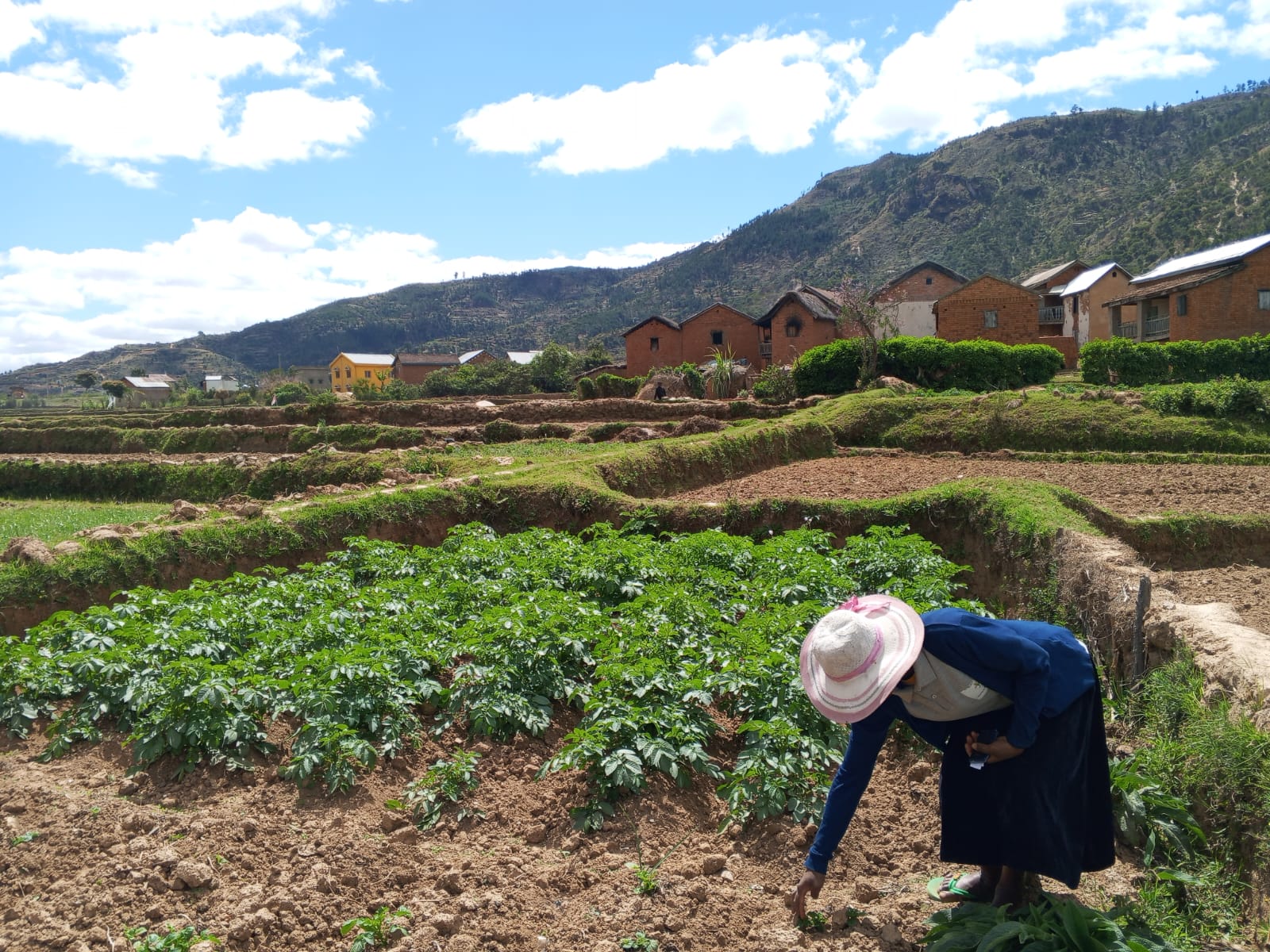
FIPS Africa’s work in Elgeyo Marakwet focuses on strengthening the seed potato system.
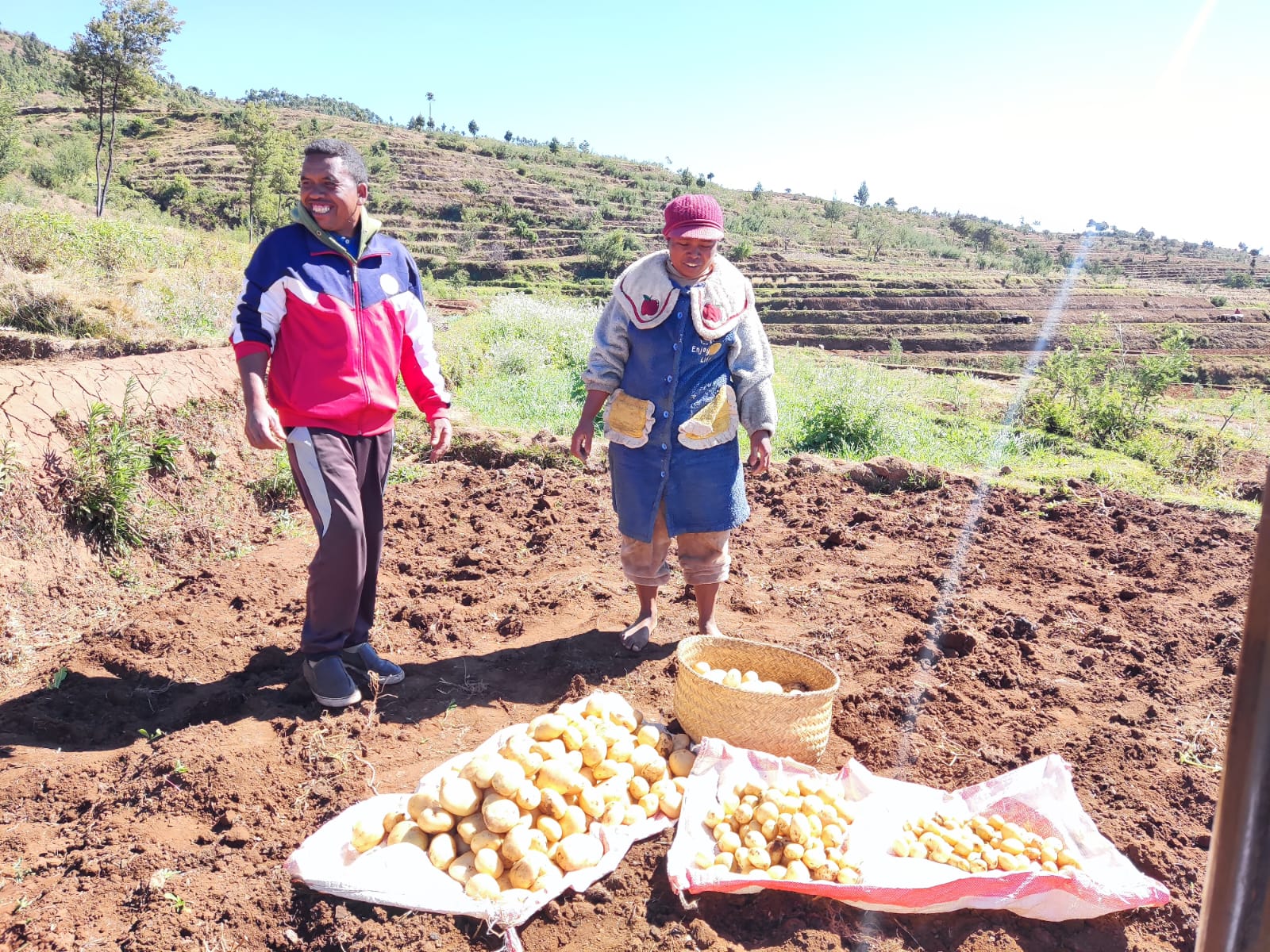
Farmers need reliable access to quality planting material to improve potato productivity and reduce the risks associated with repeatedly recycling seed. FIPS Africa is addressing this challenge by supporting decentralised seed multiplication within farming communities.
The process begins with potato-rooted apical cuttings, which provide clean starter material. Decentralised seed multipliers plant the cuttings and multiply quality seed for farmers in their communities.
The varieties being promoted are Unica, Shangi, Sherekea and Wanjiku. Providing several varieties gives farmers options suited to their production needs and market preferences.
This approach does more than distribute seed. It builds local seed enterprises, develops technical capacity and creates continuing relationships between farmers, seed multipliers, VBAs, county extension officers and other actors in the potato system.
Over the past year, FIPS Africa has reached 6,000 farmers through 40 VBAs and 45 decentralised potato seed multiplier groups.
The work is being implemented in Kaptarakwa and Chepkorio wards in Keiyo South, and Kapchemutwa and Kamariny wards in Keiyo North.
Through the decentralised system, farmers can access quality seed closer to their farms. They can observe how it is produced, learn from local demonstrations and obtain advice from people who understand their farming conditions.
Spraying services launched
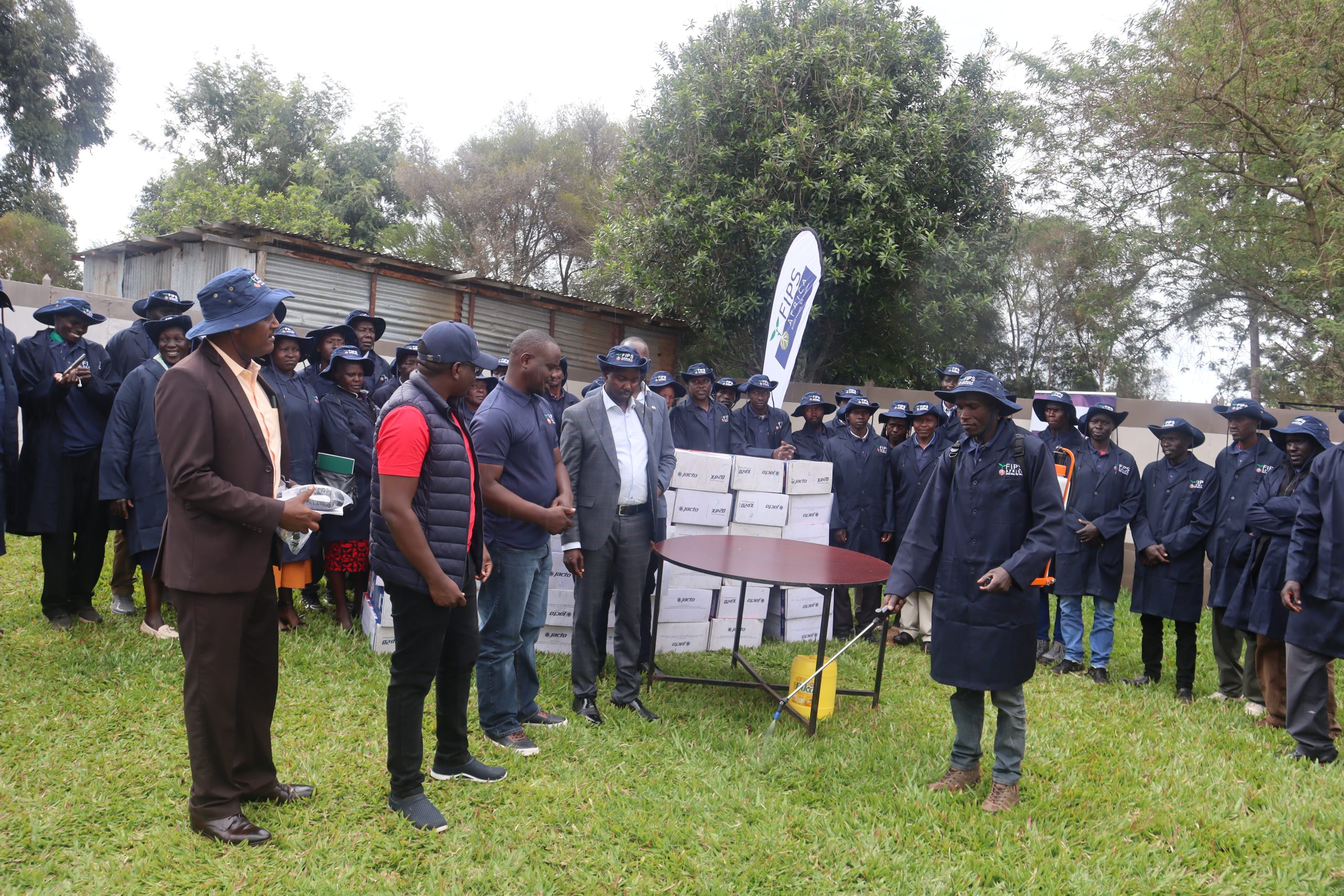
The CASSCOM meeting ended with the launch of knapsack sprayers for the 40 Village-Based Advisors.
The VBAs will use the equipment to provide spraying services to potato farmers in their villages. This adds another practical service to the local extension network and reduces the distance farmers must travel to seek crop-protection support.
The spraying services will complement the production advice, demonstrations and access to quality planting material already provided through the VBA and decentralised seed multiplier networks.
By working with county agricultural officers, the VBAs can also help farmers understand when crop protection is required and how it fits within wider crop-management practices.
Connecting the parts of the system
FIPS Africa is an African systems enterprise that combines technical excellence with farmer-led co-creation to build sustainable last-mile markets and extension systems.
Since 2003, FIPS Africa has worked alongside smallholder farmers to design, test, adapt and scale practical solutions that strengthen resilience and incomes while improving access to knowledge, technology, quality inputs, services, finance and markets.
In Elgeyo Marakwet, the MoU brings together the different parts needed to build a stronger local agricultural system.
The county government provides leadership, agricultural planning, public extension structures and links to farming communities. FIPS Africa contributes technical knowledge, field experience and the Village-Based Advisor model.
VBAs provide local extension and practical services, while decentralised seed multipliers produce quality planting material closer to farmers. Researchers, businesses, financial institutions, development organisations and government programmes contribute evidence, technologies, finance, specialised knowledge and market connections.
CASSCOM provides a platform through which these contributions can be coordinated. The MoU gives the county government and FIPS Africa a formal framework for continued collaboration.
The next step is to translate the agreement into activities farmers can see and use. Priorities include strengthening farmer training, expanding extension through VBAs, supporting decentralised potato seed multiplication and developing youth-led agricultural enterprises.
The partners will also strengthen farmer-government dialogue, share evidence, monitor results and improve farmers’ access to technologies, services, finance and markets.
For FIPS Africa, success will be measured by whether these local capacities, enterprises and partnerships remain relevant and continue serving farmers after individual projects and direct FIPS Africa support end.