
For International Women’s Day, Susan Ndung’u, FIPS Africa’s Training Manager, reflects on how FIPS and its partners are ensuring women are empowered to be part of an agricultural transformation across Sub-Saharan Africa
Reaching half a million women
I work closely with farmers across Africa, and one thing that is very clear to me is that when women are allowed to learn, experiment, and lead in agriculture, the impact goes far beyond the farm. It transforms households, communities, and entire local economies.
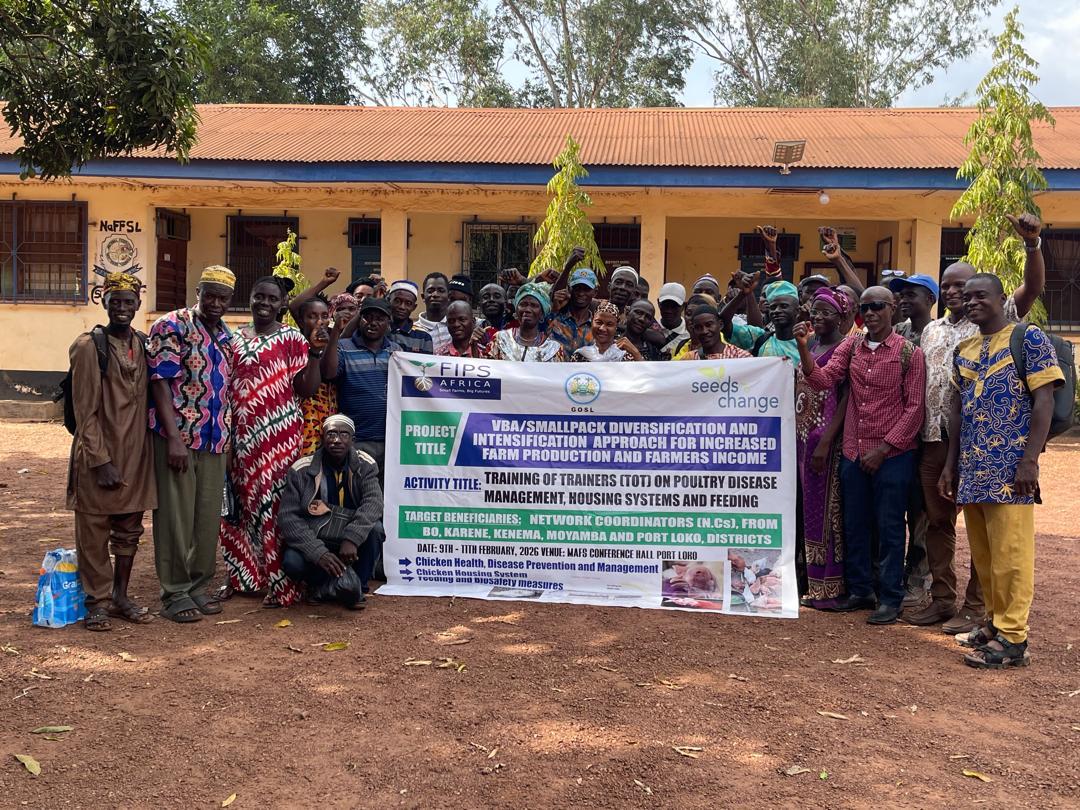
At FIPS Africa, our training programme currently reaches partners in 16 countries across Sub-Saharan Africa, including Kenya. In eight of these countries, the work has already progressed beyond the initial focus on seeds and contextualisation of the Village-based Advisor (VBA) model and is transitioning to broader agricultural and food system development. Through this work, we have reached over one million farmers, about half of whom are women.
Barriers women farmers face
This focus on women is deliberate. Across rural Africa, women play a central role in farming, yet they often face barriers that limit their participation in training and innovation. Many women, especially young women within childbearing age, are responsible for caring for children and managing household duties while also working on the farm. Because of these responsibilities, they often miss training opportunities that are held far from their homes.
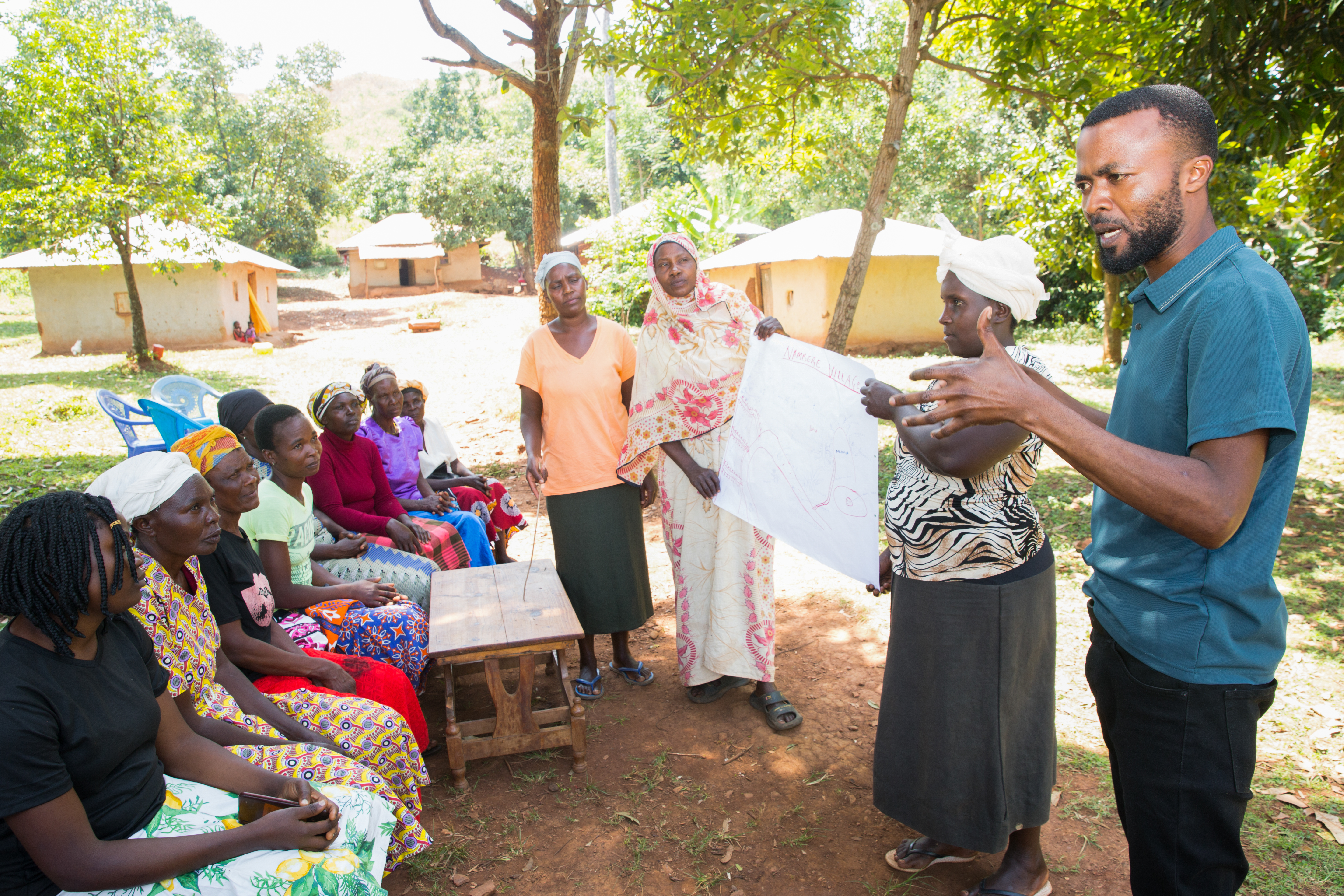
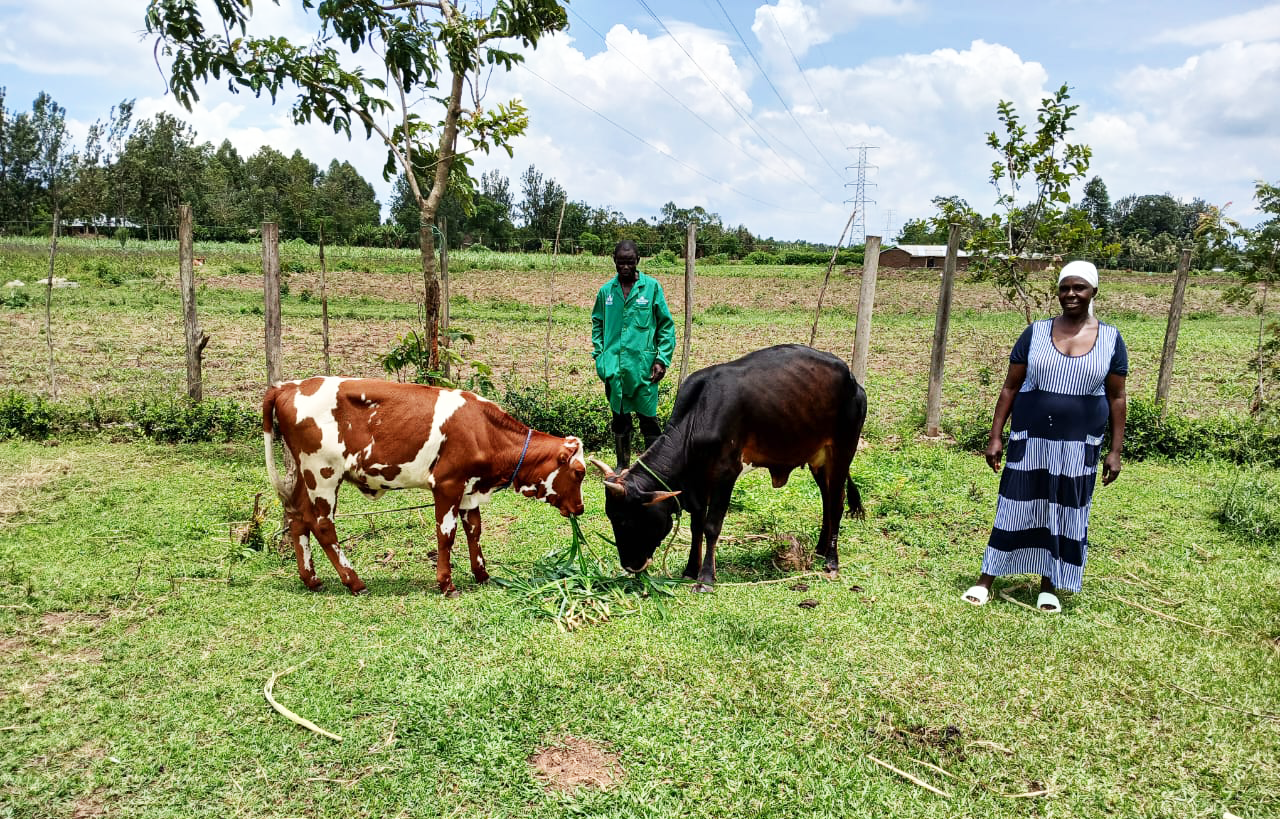
At FIPS, we design training in ways that recognise these realities. We bring training within walking distance of communities, making it easier for women to participate while still managing their responsibilities, including childcare and livestock care, such as feeding, watering, and milking cows. Farmers are also given small trial packs, inputs, and technologies, allowing them to test new ideas before committing larger resources. This approach removes barriers and ensures that more farmers, especially women, can participate and benefit.
The Village-based Advisor Model
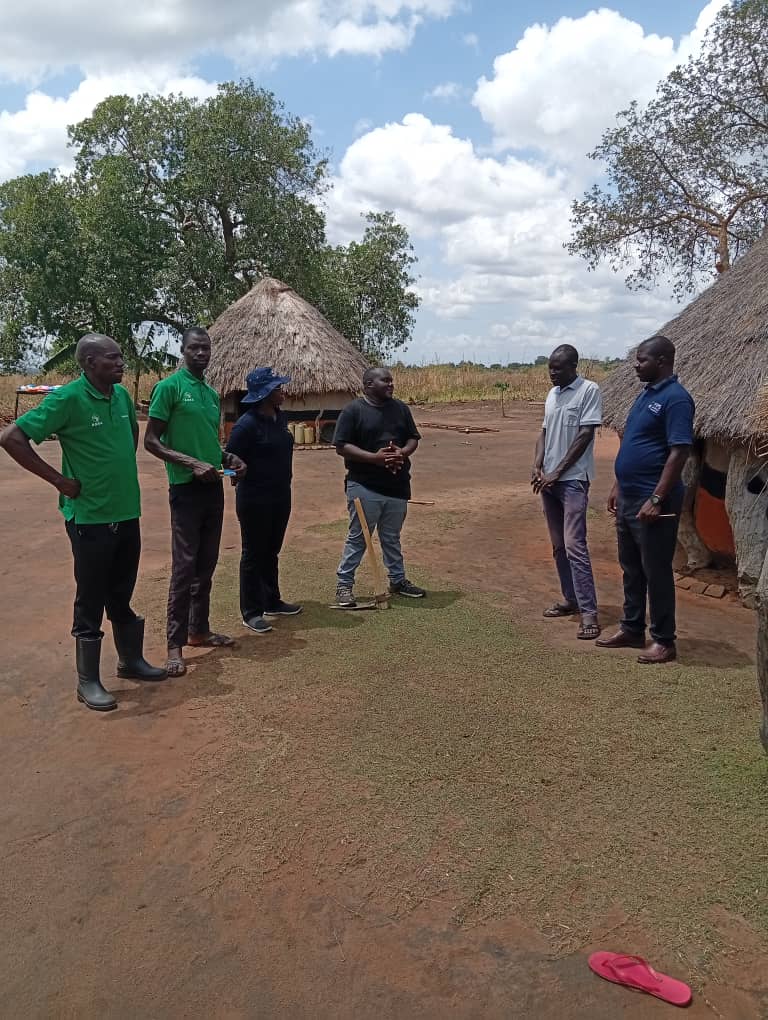
The FIPS Village-based Advisor (VBA) model is another important part of this work. VBAs are selected democratically by communities themselves. This means communities choose people they trust to provide advice and guidance to fellow farmers. The proportion of women serving as VBAs varies across countries and regions, but we encourage communities to recognise the value of gender equity in these roles.
In many places, communities have seen for themselves how effective women can be as advisors. In Somalia, for example, about 80% of VBAs are now women, which is very different from when the programme first started. Communities realised that women are accessible, trusted, and committed to helping others succeed. In Kenya, about 48% of VBAs are women. In some areas, the type of crop also influences participation. For example, rice farming often attracts more men, but overall, we are seeing encouraging progress.
From knowledge to confidence
However, for me, the real story is not just about the numbers. It is about what happens after women gain access to knowledge and opportunity.
When women receive training, access to inputs, and exposure to appropriate technologies, the benefits extend to the entire household. Productivity improves, incomes increase, and families become more food secure. But beyond these economic outcomes, something deeper begins to change. Women begin to gain confidence and control over their own destiny.
That confidence comes from the ability to make decisions and participate more actively in the economic life of their households. When a woman can sell a goat, manage income from crops, or run a small enterprise, she begins to have a stronger voice, not only in her home, but also in her village and community.
Training also opens doors to enterprise development. When women adopt improved farming practices or start small enterprises such as poultry production, they create income streams that give them independence and options. And sometimes those options can change the course of a life.
I have seen situations where a simple training, something as basic as learning how to rear chickens, gives a woman a path to financial independence. Suddenly, she has choices where previously she had none. She is no longer trapped in a situation she cannot leave because she lacks the means to support herself. This is why I believe we must begin to see agriculture differently.
Agriculture as a pathway to change
Too often, agriculture is viewed simply as subsistence or as a sector of last resort. But agriculture has the potential to be a powerful tool for lifting people out of poverty, addressing gender inequality, and strengthening communities.
If women are embedded fairly across the entire agricultural system, from production to enterprise development, we will rescue many women and young women from situations where they feel trapped simply because they lack economic choices.
Agriculture also plays a critical role in recovery and peacebuilding, particularly in countries emerging from conflict.
When communities can produce their own food rather than relying solely on relief supplies, they begin to rebuild their livelihoods and regain stability. Re-learning how to farm and produce food becomes part of the process of settling back into normal life after unrest.
In this way, agriculture becomes more than food production. It becomes a foundation for rebuilding societies.
Even as the world changes and economies evolve, agriculture remains fundamental. It was the backbone on which industrialisation was built, and it continues to be essential for recovery and development across Africa.
My call to action is therefore simple but urgent. We must ensure that women are embedded at every stage of the agricultural system. When women have access to knowledge, resources, and opportunities, the impact is transformative, not only for them, but for their families, their communities, and their countries.
Investing in women in agriculture is not just the right thing to do. It is one of the most powerful strategies we have for building resilient food systems, reducing poverty, and creating safer, more stable societies.
Women are key to our vision of Small Farms Big Futures.