In this article, Jennifer Wanjiku, the Learning and Partnership Manager at FIPS Africa, looks back over a six-year journey and shares lessons on how FIPS is coordinating efforts to regenerate soils in Western Kenya.
For decades, farmers across western Kenya have faced a stubborn and largely invisible barrier to higher yields: declining soil health. In counties such as Bungoma, Busia, Homa Bay, Kakamega, and Siaya, soils have steadily become more acidic, organic matter has dropped, and fertiliser efficiency has fallen. The result has been stagnating productivity, rising input costs, and growing vulnerability among the smallholder farmers who feed the region.
Between 2018 and 2025, FIPS Africa and our partners worked to turn this around by designing a series of farmer-centred, science-based innovations that could build the business case for restoring soil fertility.
Seeing is believing
Farmers across western Kenya knew their yields were falling, but few understood why. They applied fertiliser exactly as recommended, yet it made little difference. Below the surface, years of fertiliser use had gradually turned the soil acidic. When pH drops below 5.5—as it has across much of Western Kenya – plants struggle to absorb nutrients such as phosphorus, even when fertiliser is present.
FIPS recognised the potential of introducing handheld pH metres, but for farmers to trust the results, the metres needed approval from KALRO. The validation was a win-win: KALRO confirmed the metres’ accuracy, FIPS has so far conducted pH tests from more than 87,976 soil.
More importantly, the tests finally gave farmers instant clarity on why their crops were underperforming—and what could be done to restore soil productivity.
There was, however, another challenge. Conventional recommendations call for 800–1,600 kg of agricultural lime per acre—well beyond the financial or logistical reach of most smallholders. A new approach was needed.
Microdosing lime: Changing the scale of adoption
FIPS began by calculating the lime needed to neutralise acidity only within the planting hole, where early root development occurs. This led to the recommendation of a 5-gram microdose of lime, conveniently the exact amount that fits into a water bottle cap. Applied to the correct maize spacing, this equates to around 100 kg (two bags) of lime per acre.
Two bags of lime just about fit on a motorbike, reducing labour and costs a fraction of traditional methods.
Field trials with 692 farmers (539 complete datasets) showed remarkable results. Microdosing lime proved agronomically effective and economically viable, especially on soils below pH 5.0, with value-cost ratios up to 15:1 and visible benefits in the first season. FIPS demonstrated that CaCO₃ is the most suitable lime source.
In 2022, only three agrodealers stocked lime in Western (Busia, Kakamega, and Bungoma) counties where FIPS was present. FIPS brokered a partnership with Homa Lime, using a risk-sharing model offering discounted prices and payment after sales. Combined with rising farmer demand from pH testing, confidence returned to the market.
By 2025, 45 agrodealers were stocking lime, and annual sales rose from 69 to 534 tonnes across core counties. A sustainable market system was emerging.
Bokashi: Fast, affordable organic matter restoration
Acidity is only part of the story. Many farms also have low soil organic matter. When levels fall below 2%, water retention and soil biodiversity decline sharply.
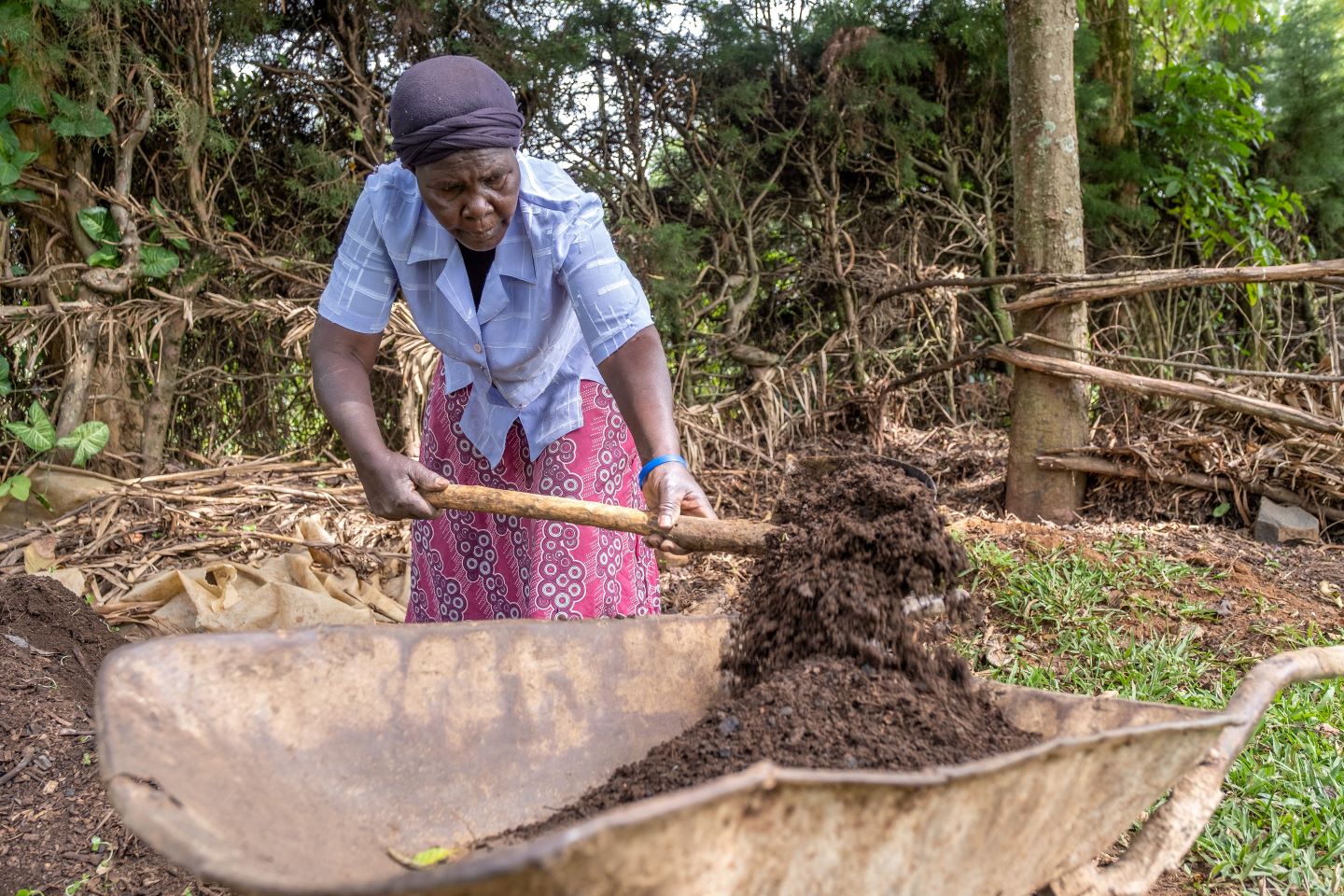
To address this, FIPS promoted Bokashi, which produces fast compost from locally available materials in 2-3 weeks. 31,569 farmers were trained, and they went on to produce more than 2,428 tonnes of Bokashi.
When combined with just 2.5 g of DAP per hole, Bokashi increased maize yields by up to 60%, saving farmers an estimated KSh 12 million in input costs.
Farmer Research Networks valued being able to produce compost within weeks, but packet yeast and molasses were expensive and hard to find. After experimentation, FIPS identified sourdough yeast and sugar as effective substitutes—slashing costs and removing key bottlenecks.
Bokashi became a low-risk entry point into regenerative practices, particularly for women managing household gardens.
WonderGro: Making fertiliser work better
With global fertiliser prices rising, improving nutrient efficiency is essential. FIPS sought to create new recommendations that help fertiliser go further.
AgRevive had developed a soil conditioner, WonderGro. On more than 700 demonstration plots, WonderGro combined with half-rates of DAP or NPK maintained or increased yields in maize, potatoes, tomatoes, and especially coffee.
In potatoes, the WonderGro–DAP combination produced up to 16 extra tonnes per acre, equating to nearly KSh 1 million in added income. In coffee, farmers saw an 83% yield increase, reduced nematode damage, and an extra profit of up to KSh 368,000 per acre.
Demand followed: farmers purchased more than 600,000 tonnes of WonderGro in 2025.
Building systems that last
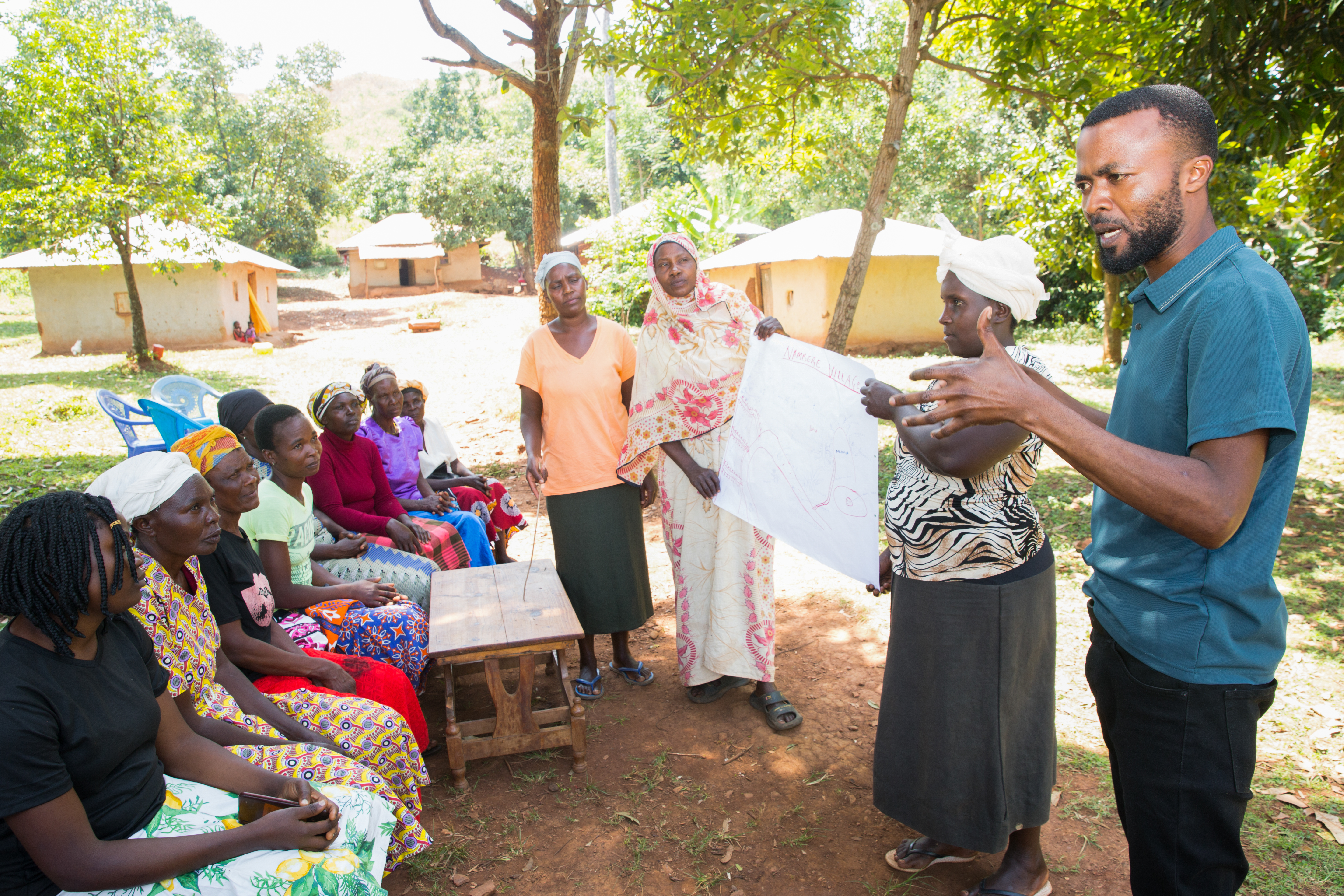
Across Western Kenya, FIPS and partners have supported more than 109,000 farmers to adopt soil-health practices that are scientifically robust yet locally practical. Farmers have often contributed to research design, ensuring recommendations fit real farm conditions, provide value for money, offer returns in the first season, and use inputs available in rural markets.
The results are clear: yields are rising, input costs are falling, and a new culture of soil literacy is taking root.
Regenerating agriculture begins with regenerating soil. This becomes possible when farmers, markets, and institutions innovate together.
We welcome new ways to share these lessons with partners across Kenya and with our partners in 15 countries across Sub-Saharan Africa.
If you have ideas we should be adding to our integrated soil health approach, I would love to hear from you…
By Jennifer Wanjiku