Farmer-led research reduces costs, boosts adoption, and improves soil health
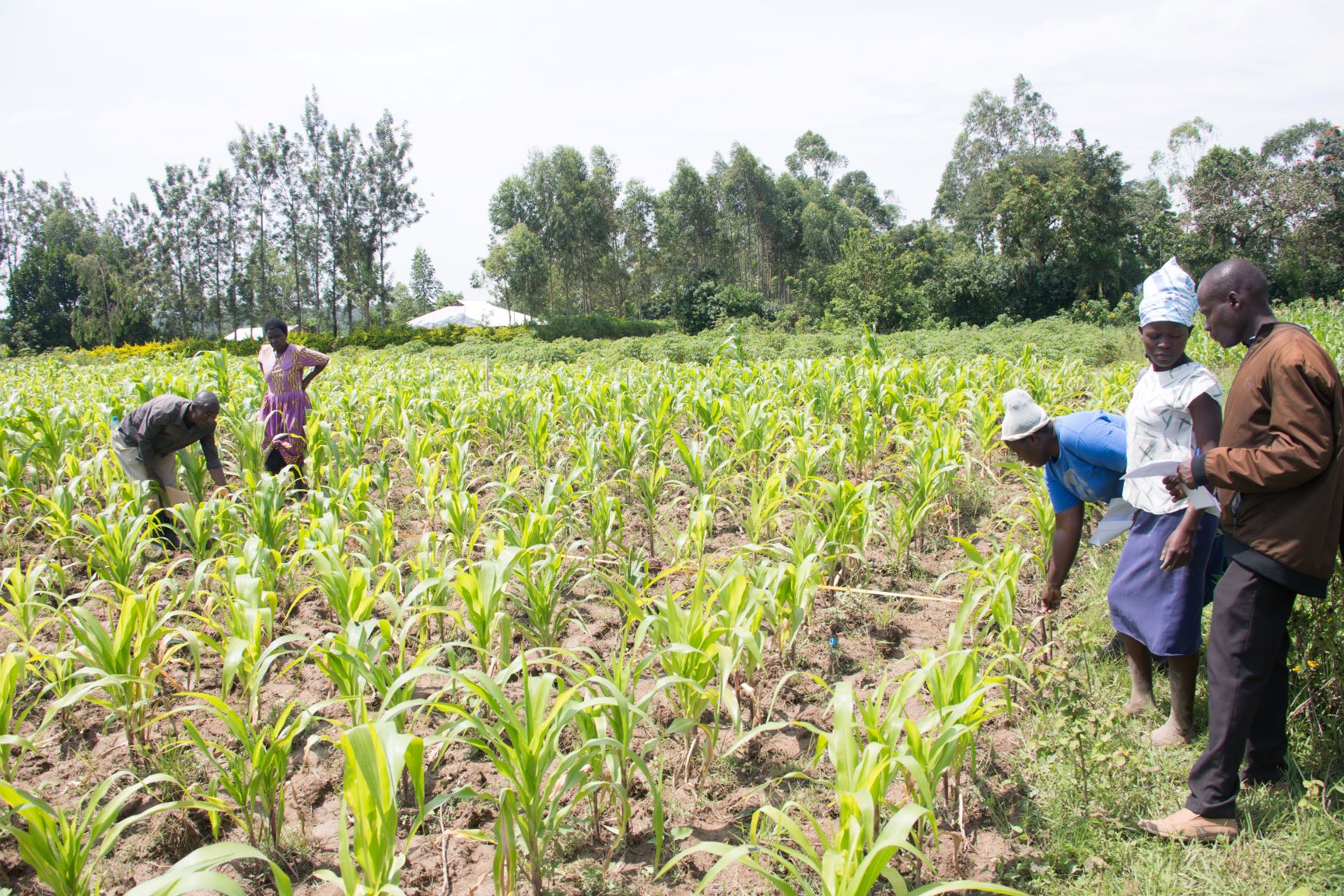
Farmer Research Networks (FRNs) are transforming Bokashi composting by placing farmers at the centre of research and innovation. Rather than relying solely on external experts, farmers test, adapt, and refine composting methods based on real field conditions.
In Western Kenya, 5,992 farmers were trained, with a 73% adoption rate. Through practical trials, farmer research networks reduced compost production costs by over 50%. They did this by substituting ingredients such as commercial yeast with locally available alternatives and simplifying labour-intensive processes. This lowered costs without compromising quality.
The result of applying compost is healthier soils, improved water retention, higher yields, and stronger livelihoods. By combining structured process guides with local knowledge, FRNs create practical, affordable, and scalable solutions that strengthen food security and promote sustainable agricultural change driven by farmers themselves.