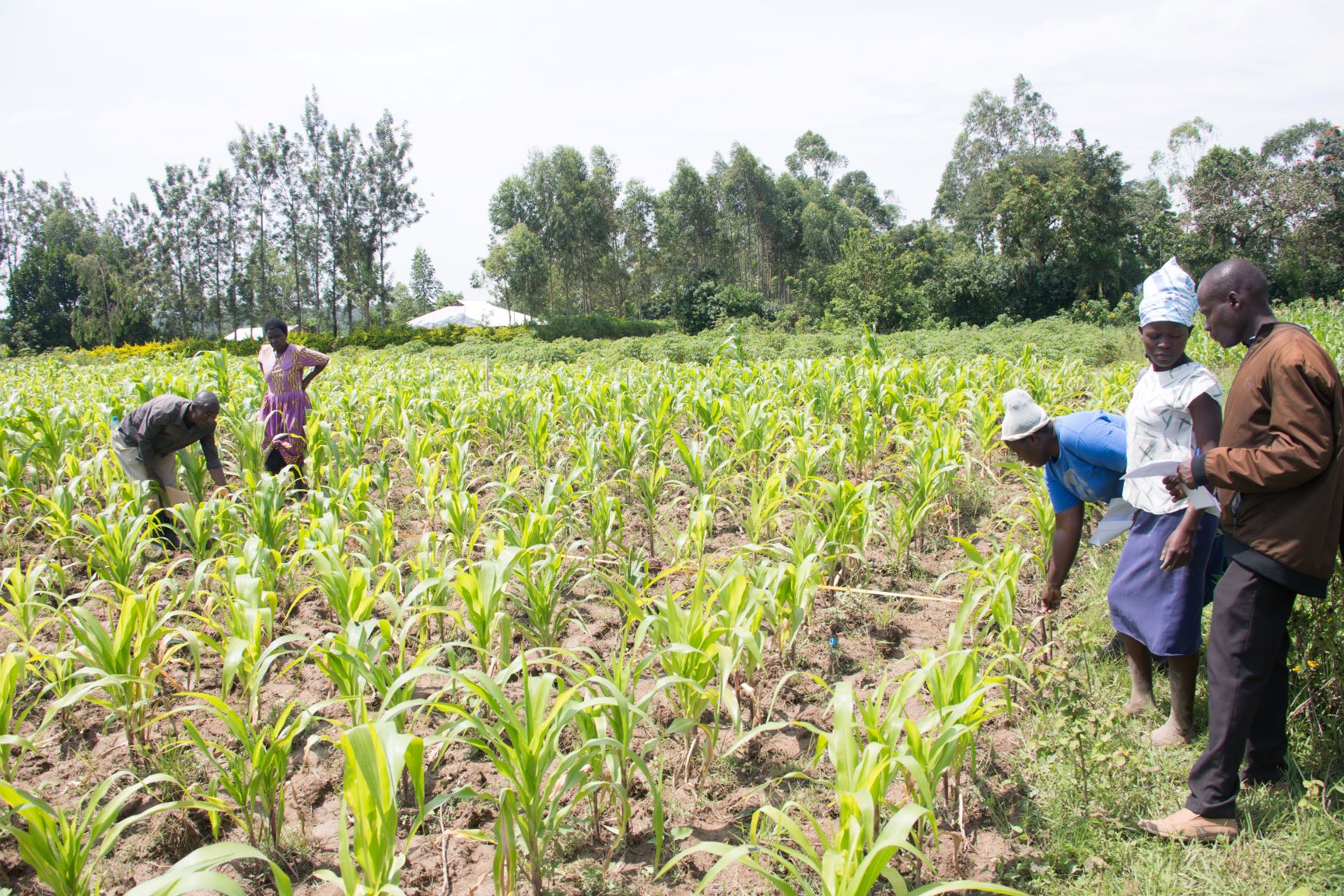
In this blog, James Mumo, Senior Research Coordinator at FIPS Africa, reflects on the growing threat of fall armyworm and the urgent need for practical, affordable solutions for smallholder farmers. Drawing on field research and farmer-led innovation, he explores how a simple, locally available resource, soil, could offer a scalable and effective approach to managing the pest while strengthening resilience and protecting livelihoods across sub-Saharan Africa.
Since it arrived in sub-Saharan Africa in 2016, the fall armyworm (FAW) has become one of the most serious threats to maize production. The pest attacks maize at multiple growth stages, feeding on young leaves, burrowing into whorls, and in severe cases, damaging ears. Yield losses ranging from 15% to 50% are common under heavy infestation, placing immense pressure on smallholder households who depend on maize for both food and income.
For many farmers, the challenge is not simply the pest itself. It is access to practical and affordable control options. Chemical pesticides are expensive, require protective equipment and training, and may pose risks to human and environmental health if misused. Improved seed with host-plant resistance offers promise, but access and adoption remain uneven, particularly among remote and low-income farmers.
At FIPS Africa, we asked a different question: could a resource available to every farmer, soil, be part of the solution?
The soil method: simple, local, and farmer-driven
The soil method is an innovation that emerged from farmer practice. It involves placing a handful of soil into the maize whorl — the funnel-like structure formed by emerging leaves — where young FAW larvae hide and feed.
The method consists of four simple steps:
- Scout young maize every two days for signs of damage.
- Identify infested plants.
- Place a handful of soil from beside the plant directly into the whorl.
- Reapply if a new infestation occurs.
Farmers adapt the method according to infestation levels. When damage is low, they apply soil only to affected plants (spot application). When infestation is widespread, they may treat all plants in a plot. Some farmers apply soil during weeding, while others respond immediately when early damage appears.
The appeal of the soil method lies in its accessibility. It requires no purchased inputs, no protective gear, and minimal training. But simplicity alone is not enough — evidence is essential.
The study
Between 2018 and 2020, FIPS tested the effectiveness of soil application across four seasons among 715 farmers in Western Kenya. Soil-treated plots were compared with pesticide-treated plots and untreated control plots.
FIPS Africa was awarded a research grant by USAID under its Development Innovation Ventures (DIV) programme. The study was implemented in western Kenya, including Vihiga and Kisumu counties, with additional on-station trials at Maseno University. The consortium included FIPS Africa, Poverty and Health Integrated Solutions, and Stats4SD.
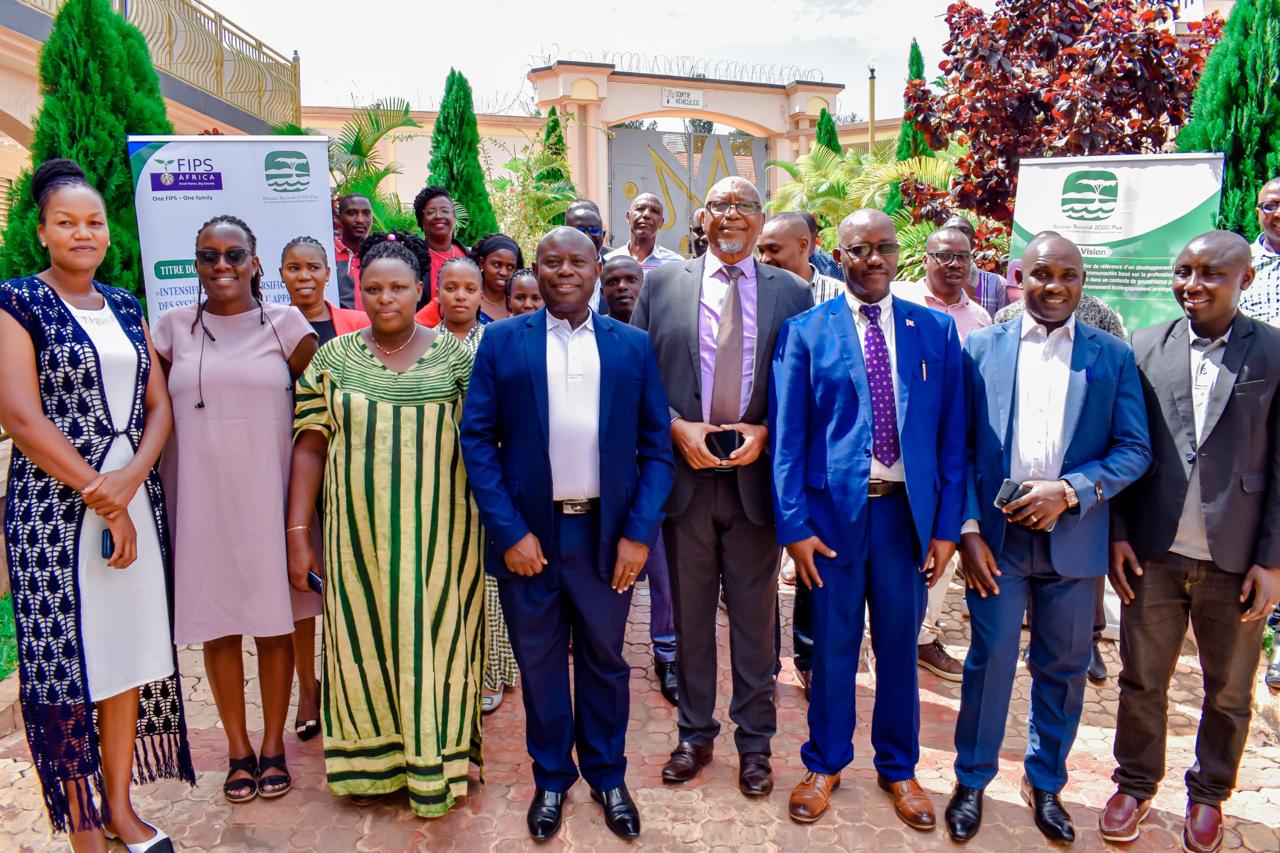
FIPS Africa convened an inception meeting of 25 experts from national and international institutions, including CIMMYT, ICIPE, CABI, and KALRO.
The research aimed to answer four critical questions:
- Is soil effective under controlled and field conditions?
- What is its mode of action?
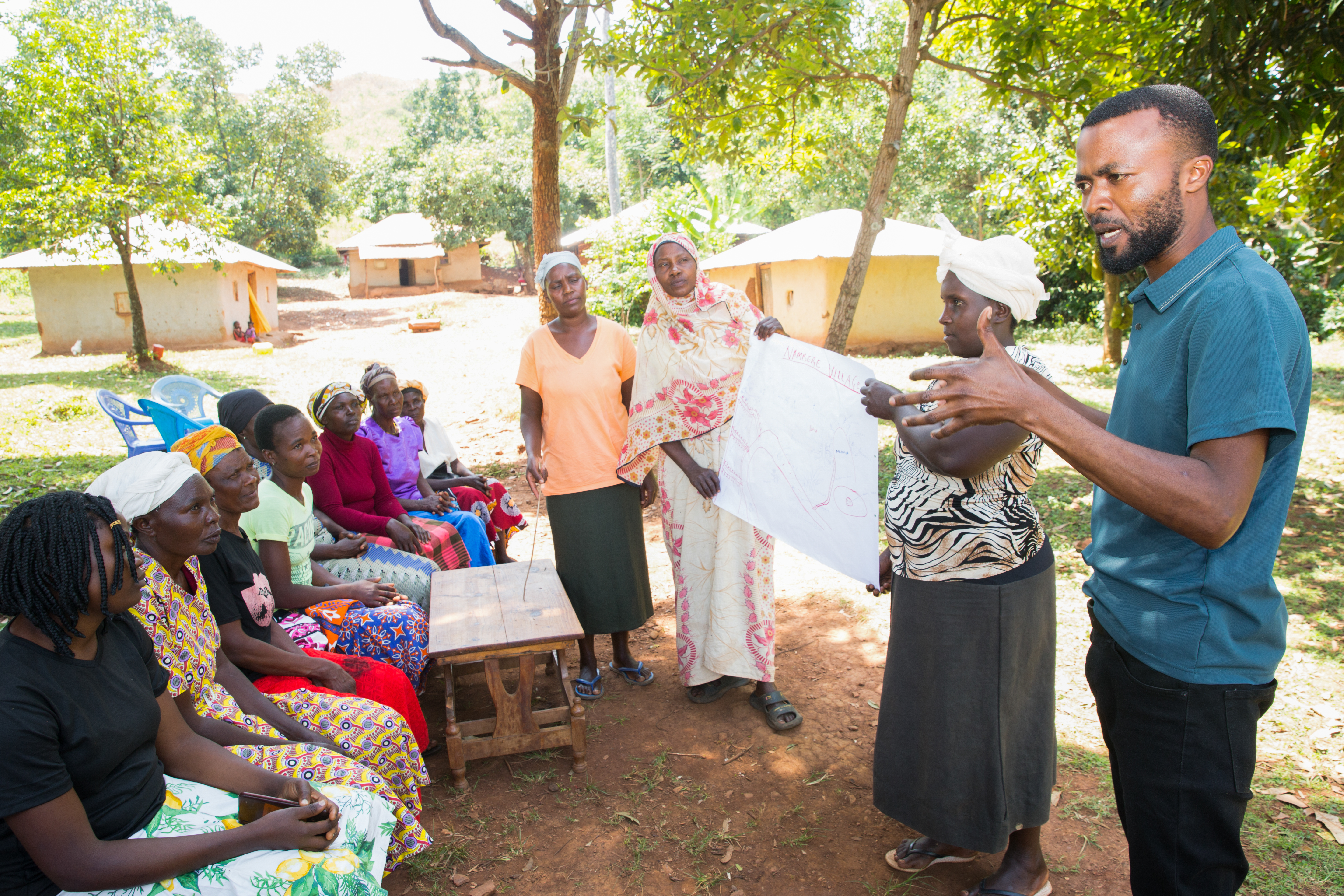
- How do farmers perceive and use the method?
- What are the labour and time implications under different scenarios?
Protocols were peer-reviewed and strengthened to ensure scientific rigor. Additional components included mycotoxin testing, ear rot and stalk rot assessments, and gender-disaggregated labour analysis.

Addressing key concerns
Constructive scientific debate strengthened the study design. Concerns raised by partners included:
- Whether soil may increase mycotoxin risks.
- Whether labour demands disproportionately affect women and children.
- Whether soil can control later-stage infestations.
To address these concerns, the research included:
- Composite sampling for aflatoxin and fumonisin testing.
- Controlled comparisons of sterilized and non-sterilized soils.
- Detailed labour simulations and decision-making analysis.
- Monitoring of cob and stalk damage at harvest.
The goal was not to present soil as a silver bullet, but to determine where and how it fits within an Integrated Pest Management (IPM) strategy.
What the evidence shows
The results were striking:
- Soil significantly reduced FAW damage to levels close to those observed with chemical treatment.
- Severe damage progression was markedly reduced within 14 days of application.
- Plots treated with soil recorded approximately 70% higher yields than untreated controls.
- Control plots averaged 1,282 kg per acre, meaning untreated farmers could lose up to USD 378 per season — or USD 756 annually in two seasons.
These findings suggest that early-stage intervention using soil can meaningfully reduce damage and protect yield.
Adoption data further strengthens the case. Among farmers trained and later experiencing FAW attack, 64% used soil as their primary control method, compared to 24% who used chemical pesticides. Adoption was highest among poorer farmers, indicating that soil may be particularly suited to low-resource households.
How does soil kill fall armyworm?
Understanding the mechanism is critical for scientific credibility and policy uptake.
Preliminary findings from screenhouse and field studies indicate several possible mechanisms:
- Physical abrasion and desiccation: Fine soil particles may damage the larvae’s outer surface, causing dehydration.
- Suffocation: When rain wets the soil in the whorl, larvae may be smothered.
- Soil-borne microbes: Naturally occurring entomopathogens may contribute to mortality.
Different soil textures appear to influence performance. In western Kenya, clayey and loamy soils tended to reduce new damage more effectively than sandy soils, though variation has been observed in other contexts. Further controlled experiments are underway to clarify these interactions.
Importantly, soil is most effective when applied early, while larvae are small. Once caterpillars reach advanced stages, control becomes difficult, even with synthetic pesticides.
Scaling potential across Kenya and Sub-Saharan Africa
Western Kenya shares agroecological similarities with large parts of sub-Saharan Africa, making it a suitable testing ground for scalable innovations. FIPS Africa will now work with partners in publishing peer-reviewed results, developing standardised extension protocols, training Village-Based Advisors (VBAs) across counties, integrating soil method guidance into public and private extension systems, and engaging policy committees for rapid uptake.
Training on soil application takes approximately 30-60 minutes, making it feasible for rapid deployment through plural extension networks.
A call for collaboration
This farmer innovation has opened the door. Rigorous science is validating the pathway. Now collaboration is needed to scale responsibly. We invite:
- Researchers interested in soil-pest interactions and entomopathogens.
- Climate scientists exploring rainfall-pest dynamics.
- Extension partners seeking low-cost FAW solutions.
- Policymakers aiming to strengthen IPM guidance.
- Donors interested in scalable, farmer-led innovation.
We are particularly interested in ideas related to surveillance systems, behavioural adoption research, soil characterization, and integration with host-plant resistance strategies.
At FIPS, we believe sustainable agricultural transformation begins with listening to farmers, and then rigorously testing what works.
The soil method may be simple. But its implications for food security could be profound.
Let’s work together to turn soil into a scientifically validated, scalable solution for smallholder farmers across Africa