A model transforming local food systems
In Bungoma County, Village-based Advisors are helping to transform an entire local food system – one cow, one farmer, and one decision at a time.
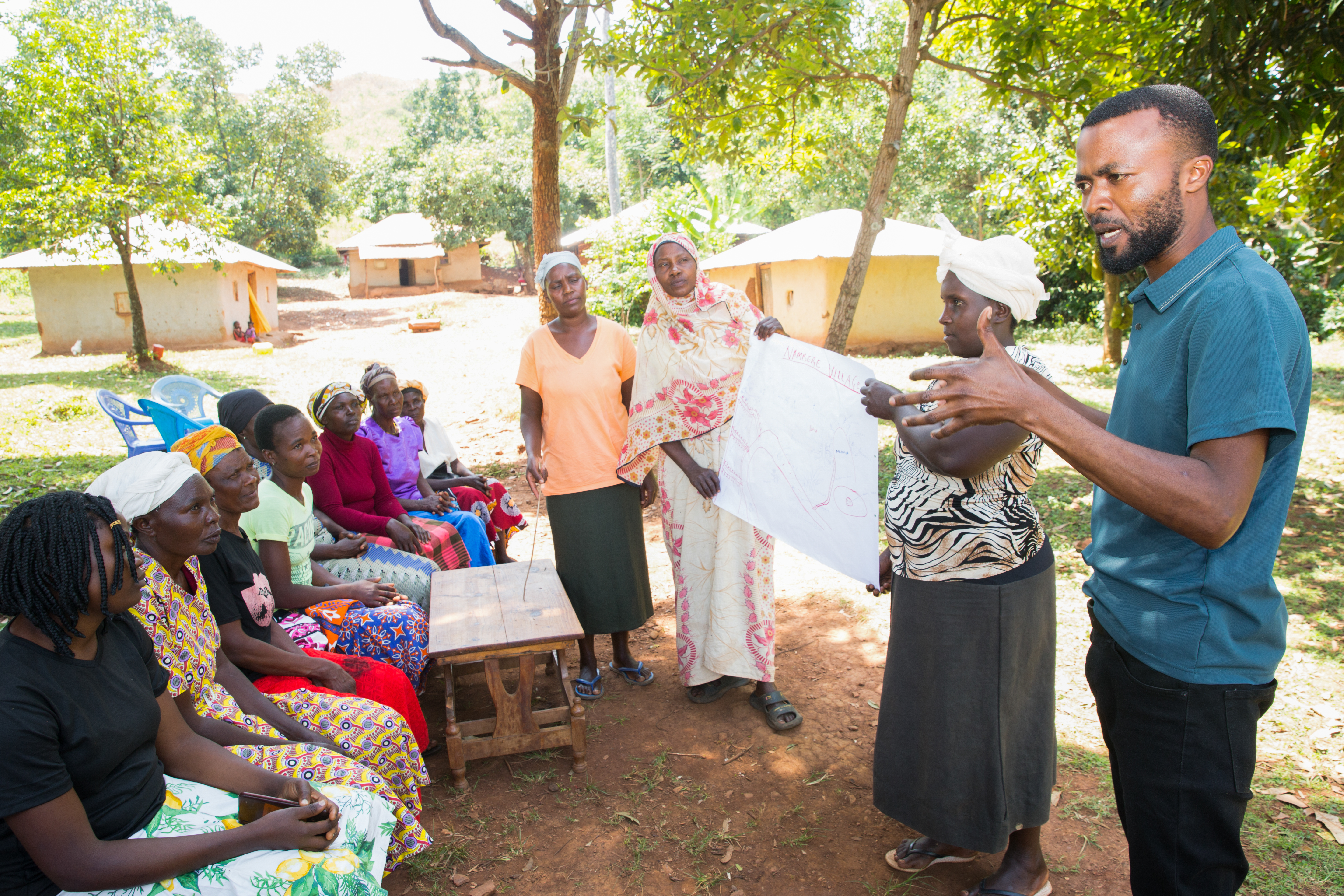
Last week, I joined FIPS Africa’s Board Chair Paul Seward and market systems development expert Elizabeth Eckert for a field visit in Bungoma County. What we saw reinforced a clear lesson: trusted, self-employed Village-based Advisors (VBAs) are one of the most effective and scalable ways to deliver last-mile agricultural extension to smallholder farmers.
What stood out most was the critical role that VBAs play in ensuring that farmers have access to practical information, extension services, and affordable technologies.
Last-mile extension in action
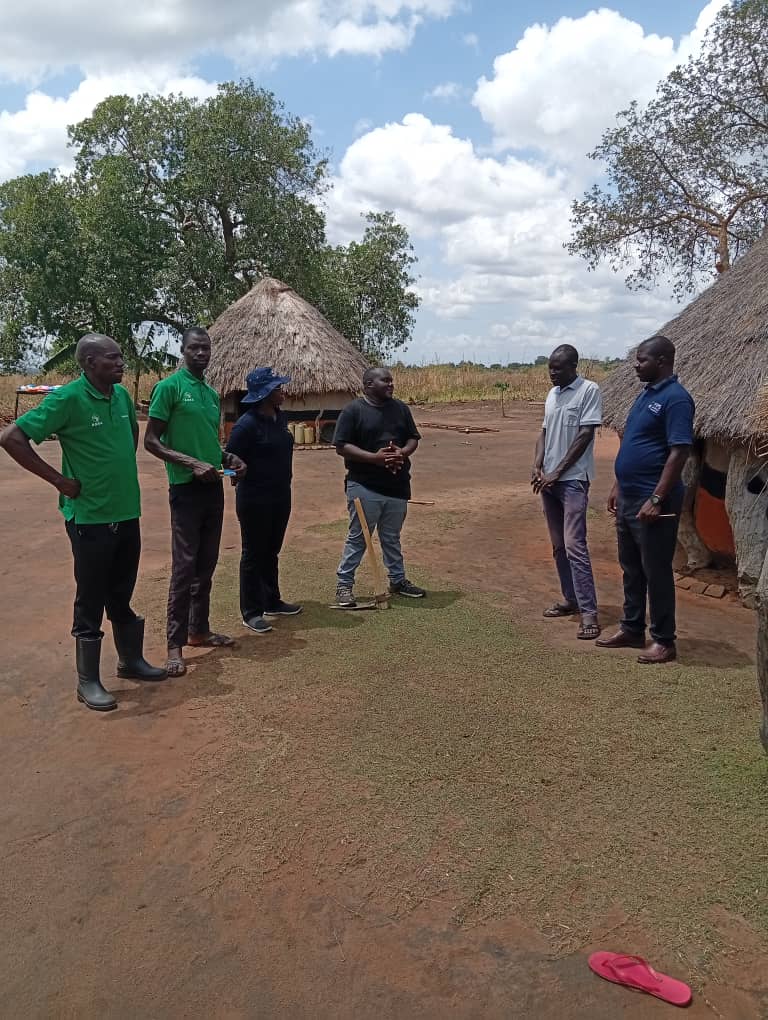
In Lutaso C Village, we met Village-based Advisor Moses Khaemba, whose work exemplifies what last-mile agricultural extension can achieve.
In almost every household we visited or passed in Moses’ village, we saw FIPS impact in action, including improved maize varieties, bokashi fast compost, young avocado orchards, fodder, and/or improved crossbred calves. This is the FIPS approach at work, where trusted, self-employed local advisors enable farmers to access practical knowledge and affordable, easily adoptable technologies, helping them make improvements quickly and with confidence.
Improving productivity through livestock and training
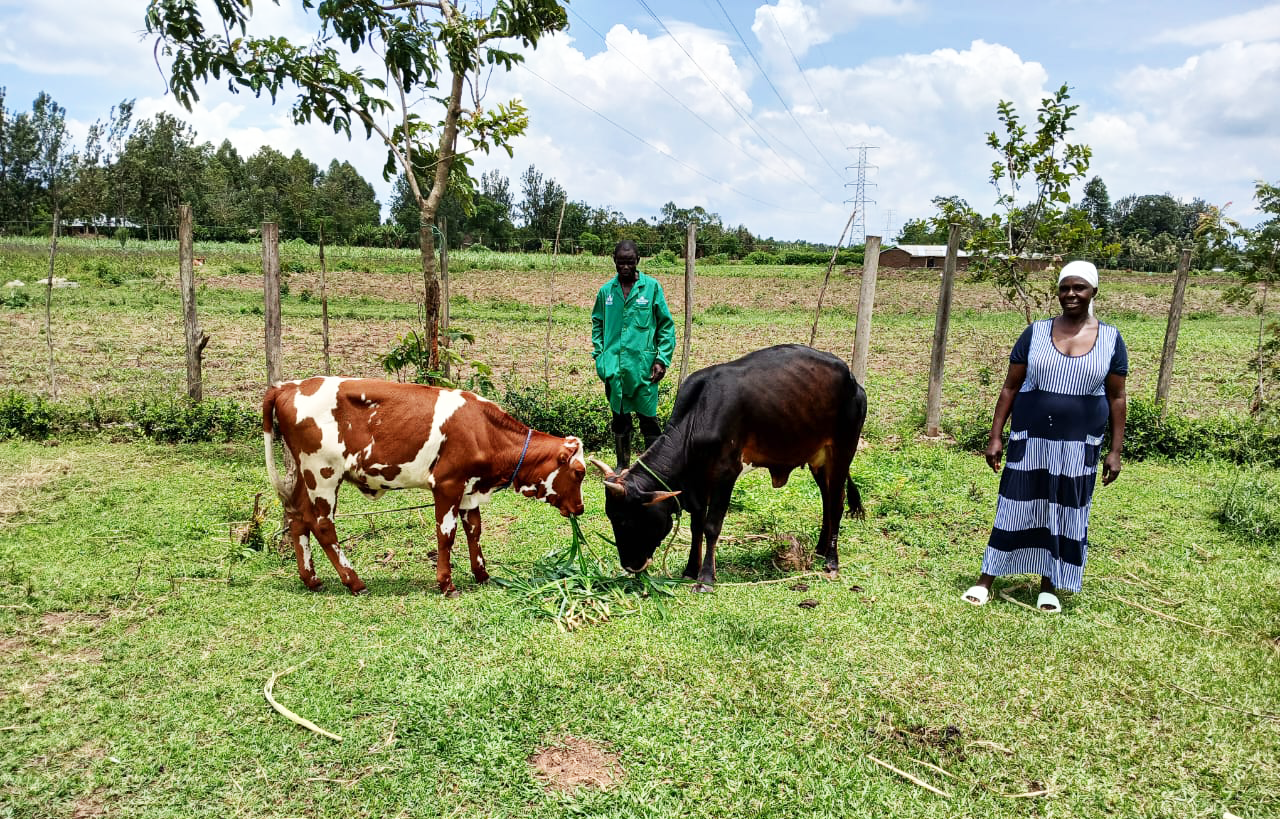
With support from FIPS, Moses acquired an Ayrshire bull that now serves local dairy farmers in the community. To date, the bull has served more than 117 cows, helping farmers improve breeding and productivity.
Thirty-seven of these have already produced a cross-bred calf, which, when grown, should provide four times more milk for the family than their indigenous mothers, meaning better nutrition and more income for the family. Beyond this, Moses trains farmers in animal husbandry, calf management, and feeding, while promoting improved fodder such as Super Napier and Brachiaria. This ensures that cows and calves are well managed, have greater survival rates, and higher milk yields.
From farm-level change to food system transformation
At FIPS, we believe that holistic initiatives such as breed improvement, combined with good animal husbandry, can catalyse changes across the entire food system. When farmers improve their cows, grow fodder, and adopt better animal husbandry, they produce more milk, creating a reliable supply for milk buyers. This, in turn, leads to more cash in farmers’ pockets and attracts other actors in the system, from veterinary service providers to milk off-takers who see new opportunities to grow their businesses by serving farmers.
Moses also grows and encourages the adoption of Hass avocado and is a link-point with an organic avocado exporter, with the potential to provide up to $1,000 of income per year from only 20 trees.
A scalable, cost-effective model
What Moses showed us was FIPS’ approach at work. Trusted, self-employed local VBAs enable farmers to access practical knowledge and affordable, easily adoptable technologies, enabling them to make improvements quickly and with confidence. Because VBAs are embedded within communities and operate as entrepreneurs, the model is highly cost-effective and scalable, reaching large numbers of farmers without the high recurrent costs associated with traditional extension systems.
Driving the Small Farms, Big Futures strategy
VBAs like Moses are the engine of our Small Farms, Big Futures Strategy (2026–2033). Through them, we strengthen farmer resilience and incomes, support thriving food systems, and advance research, innovation, and learning, ensuring the solutions we scale are practical, evidence-based, and farmer-led.