How FIPS ensures it scales the right agronomic practices
Recently, the Soybean Innovation Lab shared a post about the cost of scaling the wrong agronomic practices. This inspired James Mumo, FIPS Africa’s senior research coordinator, to share some of the processes that FIPS goes through to ensure that the technologies they advocate can transform farmers’ yields and livelihoods.
Understanding why scaling often fails
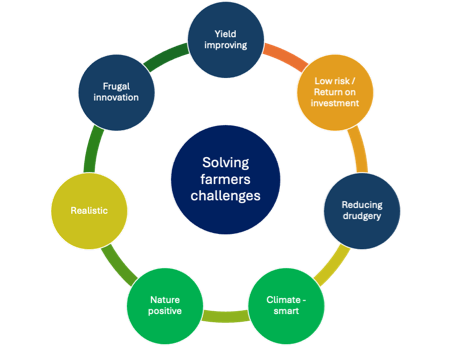
Why do so many attempts to scale agricultural technologies fail to excite smallholder farmers? In my opinion, the failure is rarely technical – the research itself is sound and has been validated. The problem is that the context of the smallholder farmer is too often ignored. Farmers are always seen as the recipients and implementers of innovation rather than co-creators of what works for them. This paradigm imagines technology adoption as a simple and linear process, ignoring the perceived risks by users and the complex web of interacting factors that often push adoption in a negative direction. So, in many cases, researchers start on the wrong foot and find themselves looking for an application for the technology they have developed, rather than finding a community of farmers eagerly awaiting their findings.
Listening to farmers through village-based advisors
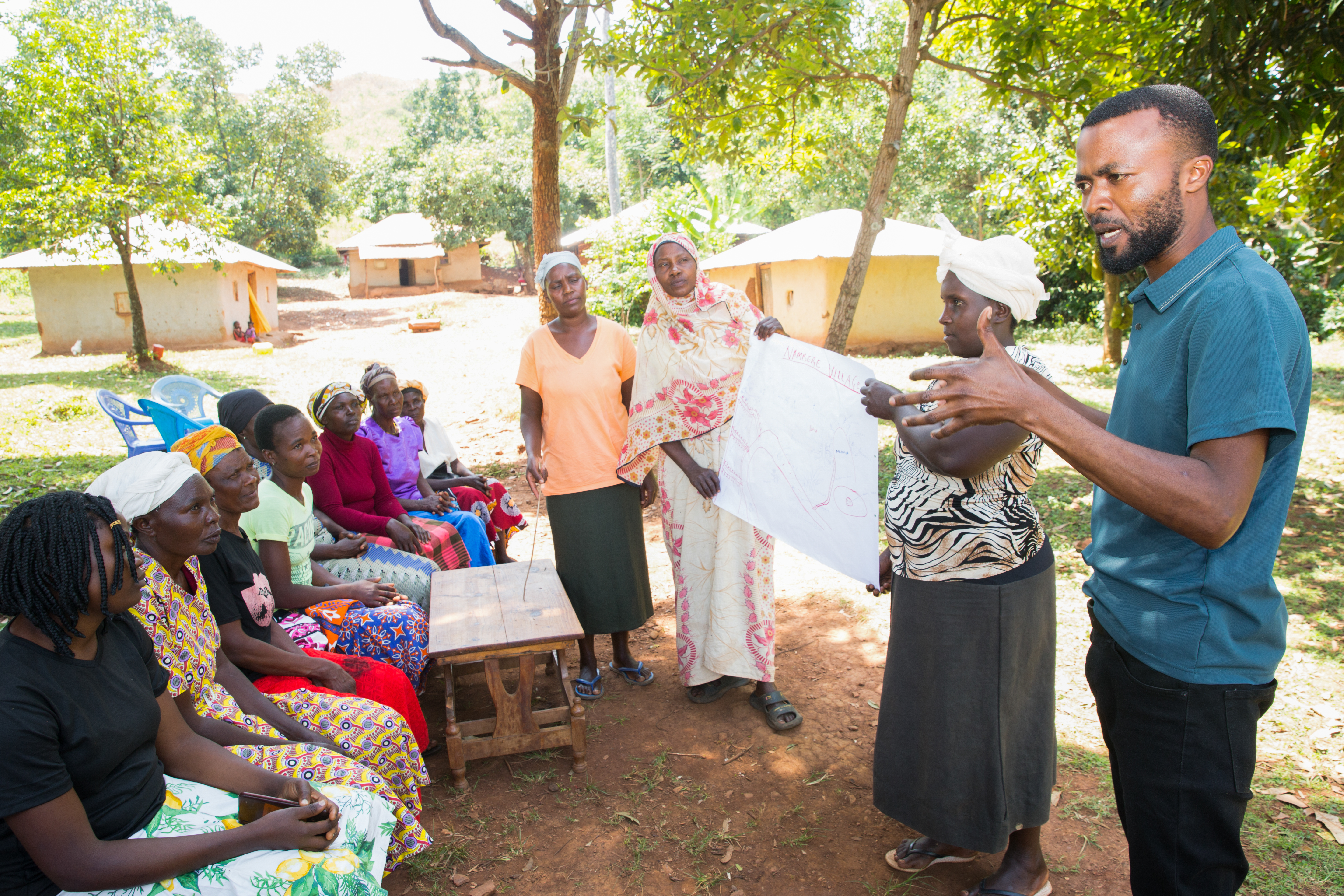
FIPS is fortunate that in Kenya, we have nearly 2,000 village-based advisors (VBAs) (community-trusted lead farmers) talking to their fellow farmers daily. Our VBAs form an effective early warning network. So, when farmers share their problems, FIPS gets the intelligence really quickly. This gives us a real sense of what farmers are demanding to address the challenges they face. This feedback loop also ensures that FIPS gets instant feedback on any technology package we recommend, rather than waiting months for an evaluation report.
Farmer research networks: testing ideas together
In addition to the VBAs, FIPS also facilitates around 230 farmer research/learning networks. These groups play two roles. They talk to us about the challenges they face – and then they help validate the technology options that FIPS identifies as potential solutions. These solutions are designed by fusing the best local knowledge with cutting-edge global science. Most of the farmers have deep links with the areas they farm – experience and knowledge built up over generations – which is often overlooked by scientists more focused on the lab and the textbook. We think the best ideas – ideas that will stick – will come from farmer conversations and that collaboration is the key to refining technologies.
Addressing soil fertility challenges
There are several good examples of this approach in practice in FIPS work on soil fertility. Farmers in Western Kenya were seeing yields drop. Two issues needed urgent attention: addressing acidification and halting the decline in soil organic matter.
FIPS found evidence that fertiliser use over many seasons, soil types, and high rainfall had changed the pH of the soil. One way to reverse this acidification is to apply lime. There was no culture of liming in the region – no functional supply chain for lime – and no real understanding that would allow farmers to do a cost-benefit analysis.
Using data to drive adoption
60% of soils in western Kenya required liming if good maize yields were to be achieved. The economics of liming were significantly improved when FIPS found evidence that micro-dosing lime – applying just 5g per planting hole- raised soil pH and increased maize yields in previously acidic soils. This approach used only a fraction of the lime used in broadcasting. This made liming affordable and removed the logistical challenge of transporting bulk quantities to farms.
Working with farmer research networks, FIPS demonstrated that micro-dosing could drive productivity gains within a single season. Through its partnership with the McKnight Foundation, FIPS also identified a low-cost, highly accurate handheld soil pH monitor, which was validated by KALRO using data from nearly 90,000 on-farm soil samples collected by FIPS. Providing farmers with a clear, numeric understanding of their soil pH reinforced the need for action, and once FIPS had engaged the value chain to ensure lime availability through agro-dealers, demand and sales increased rapidly.
Using small pack trials helped farmers test lime micro-dosing, and they could interact with trial evidence on their farms, which quickly changed their mindset and culture towards lime use.
Adapting bokashi compost to local conditions
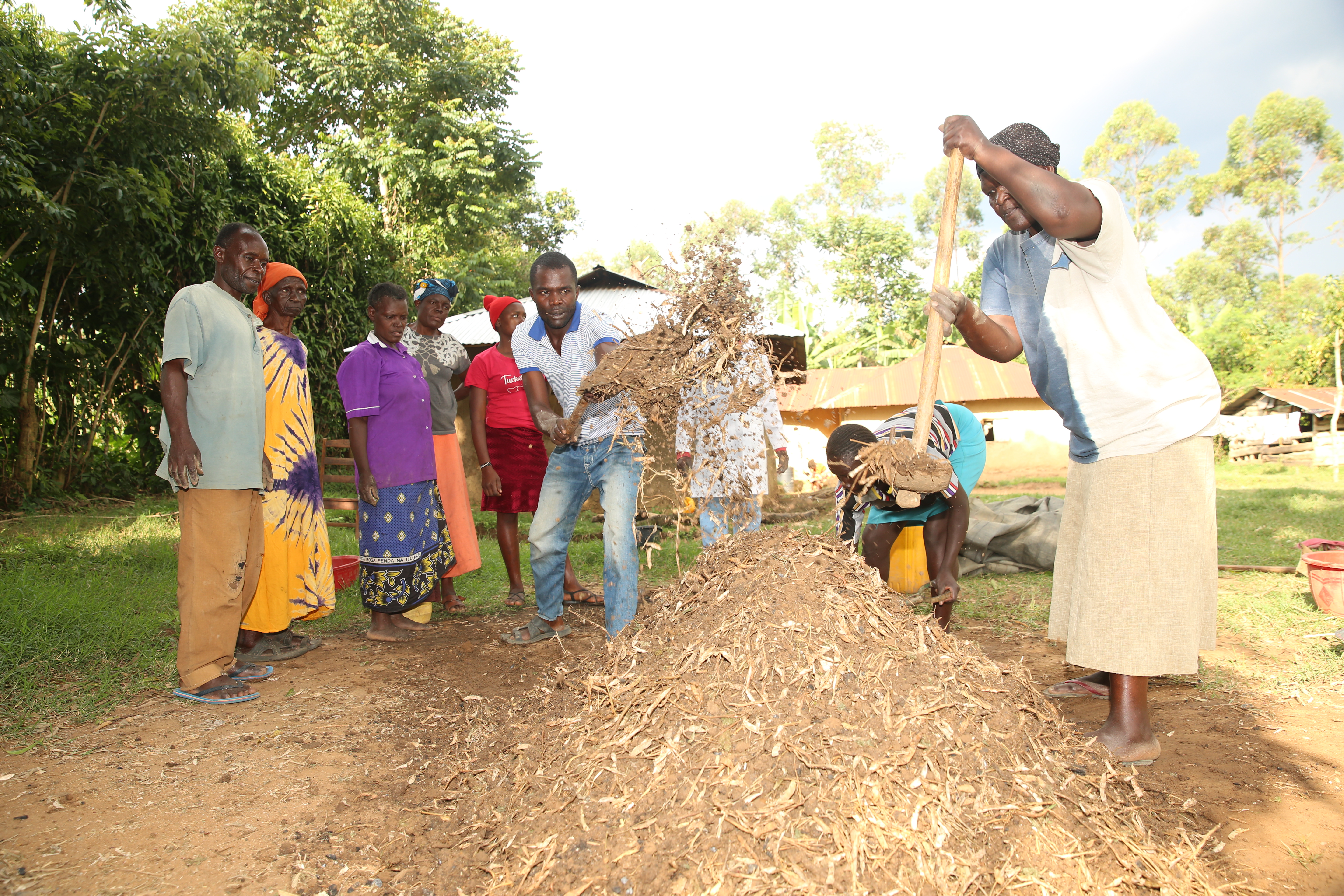
Soil organic matter became a hot topic for the farmer research network when they visited a partner organisation (Manor House Agricultural Centre, Kenya) and saw a technique dubbed Bokashi for making compost in just 14 days. Once the compost was made, it too could be micro-dosed (150g) in the planting hole.
Farmers perceived composting as slow and difficult. Crop residue in a smallholder context is in demand, for example, as fuel or fodder. Farmers deciding to use residues to improve their soil had thought through these trade-offs.
The classic recipe for the Bokashi compost included large numbers of eggshells, molasses, yeast, and was labour-intensive – requiring farmers to turn a heap twice a day. Through experimentation, the farmer research networks realised that the molasses could be replaced with a much-reduced amount of sugar, which is a Kenyan kitchen staple. Yeast could also be replaced with kimera – sprouted millet, which is a mainstay of local brews. The local, more frugal version of Bokashi worked – albeit a bit slower than the classic recipe. They also managed to reduce the labour required for turning the compost.
The farmers were able to see the trade-off between costs, availability of inputs, time to make the compost, and the quality of the compost produced. They determined that a low-cost compost taking 2–3 days longer was better for them than an expensive two-week compost.
Investigating farmer innovations
Use of soil for management of fall armyworm was at the heart of another frugal innovation. Farmers were observed applying soil to the whorls of the maize to try to control fall armyworm attacks. It appeared to work. FIPS wanted to advocate the approach more widely and to try to get it into the mainstream advice to farmers.
Farmer innovations are rarely mainstreamed, even when they are observed. Whilst government extension services are desperate for frugal innovations to share with farmers, they also place a strong burden of proof on the advocates of different techniques. The pesticide industry can provide details of trials and journal papers on the efficacy of their products; farmer innovations rarely have this kind of evidence. So, FIPS set out to produce evidence for the soil method for fall armyworm control.
Building evidence through research
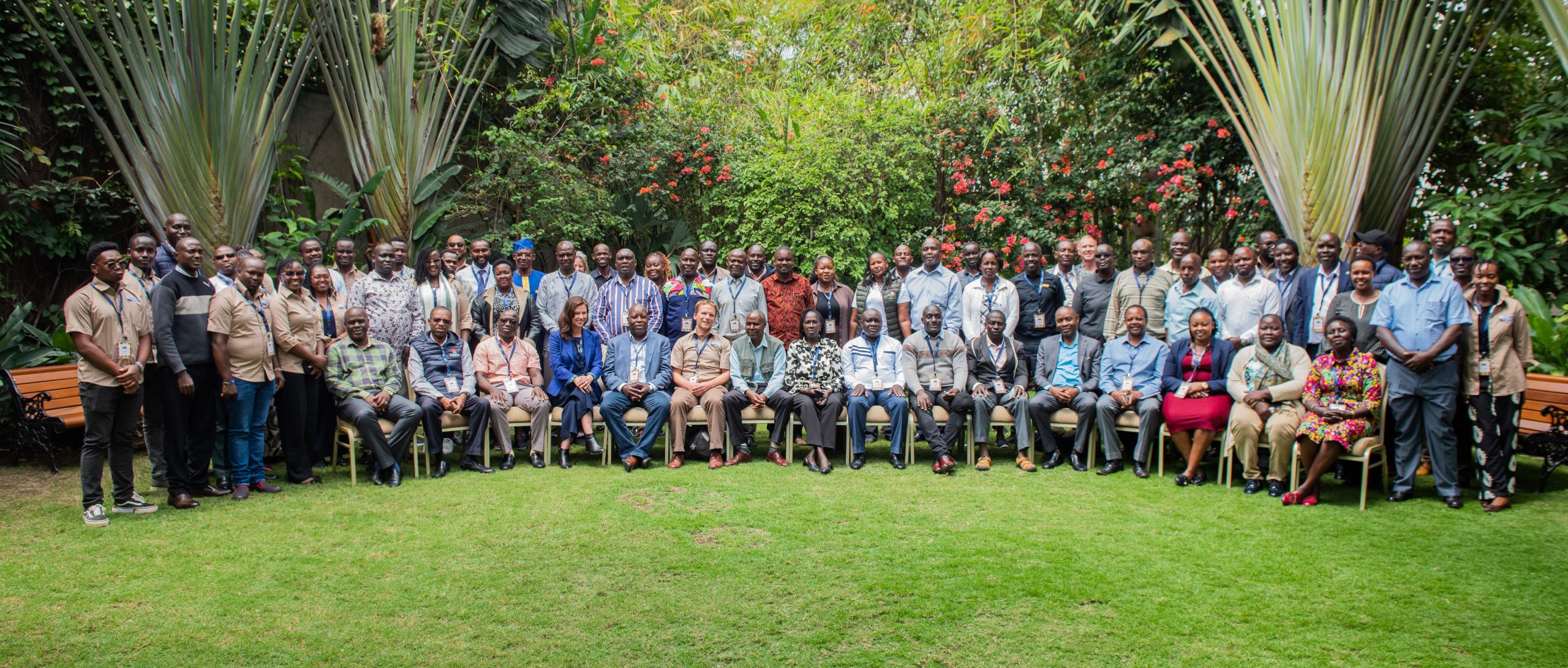
Before FIPS started its research project on testing the use of the soil method for management of fall armyworm, it had an inception workshop. This brought together the partners that would be delivering the research – but it also included the key gatekeepers. Every step of the research was scrutinised by the extension service, farmer groups, and peer organisations. At the end of the workshop, a series of research protocols had been agreed upon. The delegates agreed that if evidence was collected in this way – and it showed positive results – the soil method could become an officially approved technique to help counter fall armyworm. There was a strong desire in the group to be able to say why the technique worked – not just that it did. Nearly three years on, FIPS has positive evidence of how and why the soil method works, and it is now looking to draft journal papers setting out the learning.
Context always matters
The soil method is a classic frugal innovation – using materials that are on hand to tackle a threat from a new invasive pest. But even this is not a panacea. Context always matters. The soil method has been well received in Western Kenya, but at the coast, farmers are reluctant to stand in the fields in searing heat – preferring a quick spray with pesticide. The trade-off between cost/pesticide use and comfort plays out differently when the temperature reaches 32°C.